
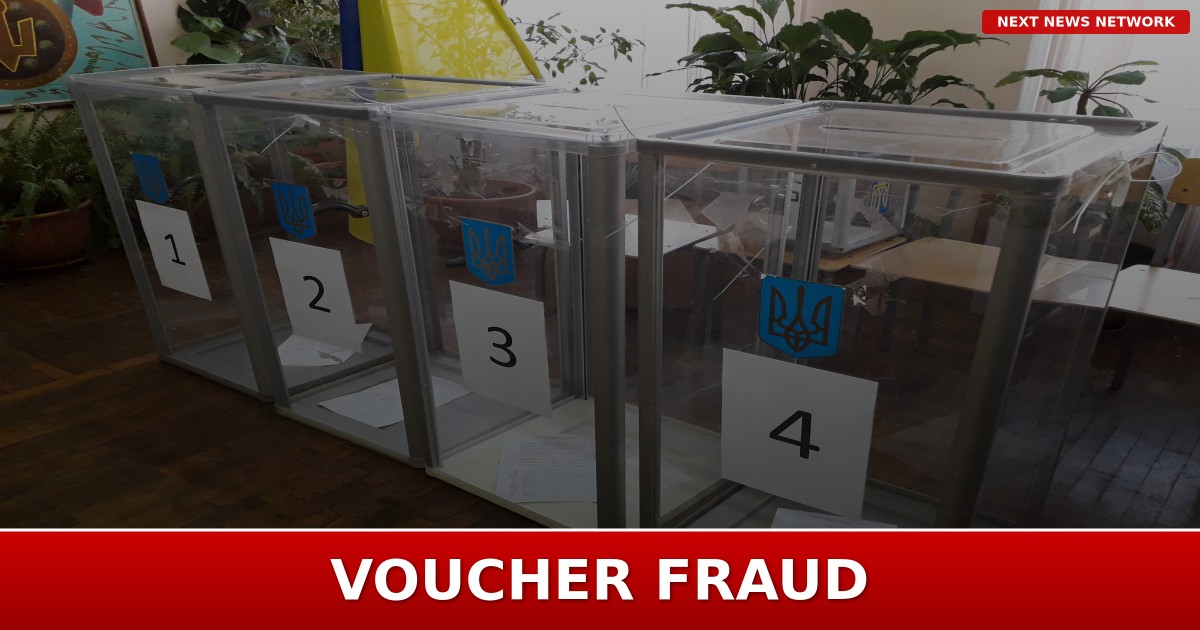
Minnesota remains one of the last states in America where a single voter can walk into a polling place and vouch for up to eight other individuals who lack proper identification—a loophole that election integrity advocates say is ripe for exploitation and demands immediate federal attention.
Under the state's current election law, any registered voter can serve as a "voucher" for neighbors who show up to vote without valid ID or proof of residency. The voucher simply signs an oath confirming the individual lives in the precinct, and that person is then permitted to cast a ballot. No documentary evidence is required.
A System Built on Trust—Or Blind Faith?
Critics argue this honor-based system represents a glaring vulnerability in Minnesota's election infrastructure, particularly as other states have moved aggressively to tighten voter ID requirements and close similar loopholes.
"This isn't election security—it's election theater. You're telling me one person can bring eight strangers to vote with nothing but their word? That's not how you run secure elections in the greatest democracy on earth."
The controversy has intensified following multiple fraud investigations in the state, including cases involving ballot harvesting operations that have shaken public confidence in Minnesota's electoral process. While state officials maintain that vouching fraud is rare and that existing penalties serve as a deterrent, conservative lawmakers and watchdog groups aren't buying it.
Calls for Federal Intervention Grow Louder
With President Trump back in the White House following his decisive 2024 victory, election integrity has returned to the forefront of the national conversation. The administration has signaled a renewed commitment to ensuring every legal vote counts—and that illegal votes don't.
Republican leaders in Congress are now exploring whether federal legislation could mandate basic voter ID requirements nationwide, effectively overriding state laws like Minnesota's vouching provision. Such a move would face legal challenges but enjoys strong support among the conservative base.
Minnesota Secretary of State Steve Simon, a Democrat, has defended the vouching system as a legitimate tool that ensures all eligible citizens can participate in elections. He points to the state's consistently high voter turnout as evidence the system works.
But for millions of Americans who watched the chaos of recent election cycles under former President Biden's administration, "high turnout" means little if the integrity of each vote cannot be verified.
The Stakes Have Never Been Higher
Election integrity groups estimate that Minnesota's vouching provision could theoretically allow a coordinated effort to inject hundreds or even thousands of questionable ballots into close races—all without a single piece of identification changing hands.
As the 2026 midterm elections approach, the pressure on Minnesota lawmakers to reform or eliminate the vouching system will only intensify. For conservatives, the message is clear: trusting voters is one thing, but trusting a system designed with built-in blind spots is something else entirely.
The fight for election integrity continues, and Minnesota finds itself squarely in the crosshairs.
