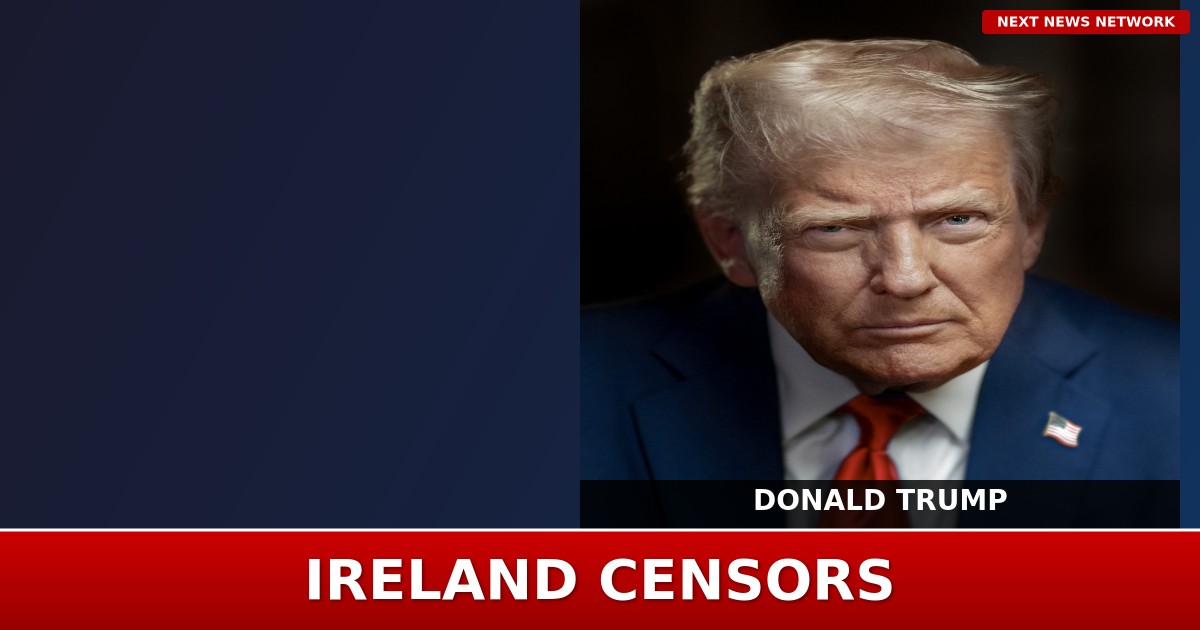
Ireland's left-wing government has formally called on the European Union to ban anonymous social media accounts across the bloc, a radical censorship proposal that puts the globalist organization on a direct collision course with President Donald Trump's America First free speech agenda.
The Irish government, led by the coalition of Fine Gael and Fianna Fáil, submitted the proposal to EU leadership as part of a broader push to crack down on what European elites deem "online harms" and "disinformation" — terms critics say are simply code words for silencing political opposition.
A Direct Attack on Digital Freedom
The proposal would require all social media users within EU member states to verify their real identities, effectively eliminating the ability to post anonymously online. Proponents claim the measure would reduce "hate speech" and "harassment," but free speech advocates warn it would have a chilling effect on political dissent and whistleblowing.
Anonymous speech has been a cornerstone of political discourse since America's founding, when the Federalist Papers were published under pseudonyms. The Irish-EU proposal represents a fundamental rejection of this tradition and a dangerous expansion of government surveillance over citizens' online activities.
"This is exactly the kind of authoritarian overreach that President Trump warned about," said one European free speech advocate who requested anonymity. "They want to know exactly who is criticizing them so they can punish dissent."
Trump's America Stands in Opposition
The timing of Ireland's proposal could not be more significant. President Trump has made combating Big Tech censorship and protecting free speech central pillars of his second term. His administration has already taken steps to hold social media platforms accountable for silencing conservative voices and has positioned America as a global beacon for digital freedom.
The EU's potential adoption of Ireland's anti-anonymity proposal would create immediate tensions with American tech companies operating in Europe and could force platforms like X, formerly Twitter, to choose between complying with European censorship demands or protecting user privacy.
Elon Musk, owner of X and a close ally of President Trump, has been an outspoken defender of anonymous speech on his platform, arguing it protects vulnerable users from retaliation by authoritarian governments and employers.
The Broader Globalist Agenda
Ireland's push comes amid a larger pattern of European governments cracking down on speech that challenges the establishment narrative. The EU's Digital Services Act already imposes significant content moderation requirements on platforms, and several European nations have prosecuted citizens for social media posts deemed offensive.
Conservative observers note that these measures consistently target right-leaning voices while leftist content receives far more lenient treatment. The elimination of anonymity would supercharge this selective enforcement by making it easier for governments to identify and prosecute political opponents.
As the transatlantic divide on free speech widens, President Trump's America stands virtually alone among Western nations in defending the fundamental right to speak freely without government interference. Ireland's latest proposal makes clear that European elites have no intention of following America's lead — setting the stage for what could become the defining free speech battle of the Trump presidency.