
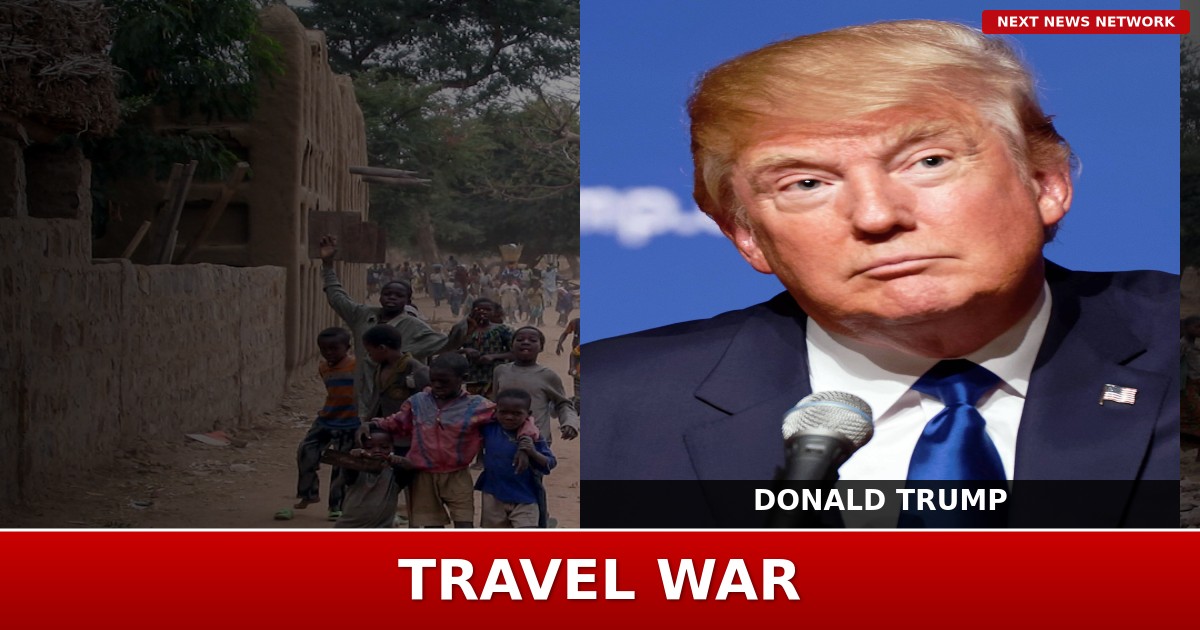
Mali and Burkina Faso announced they are imposing travel bans on U.S. citizens in direct response to President Trump's new travel restrictions targeting their nations, which are scheduled to take effect on January 1st. The reciprocal bans represent an escalation in diplomatic tensions as Trump moves to secure America's borders from high-risk regions.
The African nations' retaliatory measures were swiftly reported across social media, with @JournalNg tweeting: "Mali, Burkina Faso Announce Reciprocal Travel Ban Against United States Citizens. Mali and Burkina Faso have said they are imposing a travel ban on U.S. citizens in response to an equivalent measure announced by the Trump administration earlier this month."
@TheCalvinCooli1 confirmed the development, posting: "🚨Report: The countries of Mali and Burkina Faso will officially ban US citizens from entering their countries in retaliation for President Trump's decision to officially ban Malian and Burkinabe citizens from entering the U.S."
Security Concerns Drive Policy
The Trump administration's decision to restrict travel from Mali and Burkina Faso comes amid growing security concerns in the Sahel region of West Africa, where Islamic extremist groups have gained significant influence. Both countries have struggled with political instability, military coups, and terrorist activity in recent years.
While the reciprocal bans may inconvenience some American travelers, the restrictions are unlikely to significantly impact U.S. interests given the limited business and tourism ties between the nations. The moves underscore President Trump's commitment to prioritizing American security over diplomatic niceties with unstable regimes.
As @CoffiStop noted on social media: "Burkina Faso, Mali Ban US Citizens In Response To Trump's Bans," highlighting how the story is gaining international attention.
The travel restrictions represent part of Trump's broader America First agenda, focusing on enhanced vetting and security measures for visitors from regions with compromised governance and elevated terrorism risks. The administration has consistently maintained that protecting American citizens takes precedence over maintaining diplomatic relationships with countries that cannot adequately screen their own citizens.
