
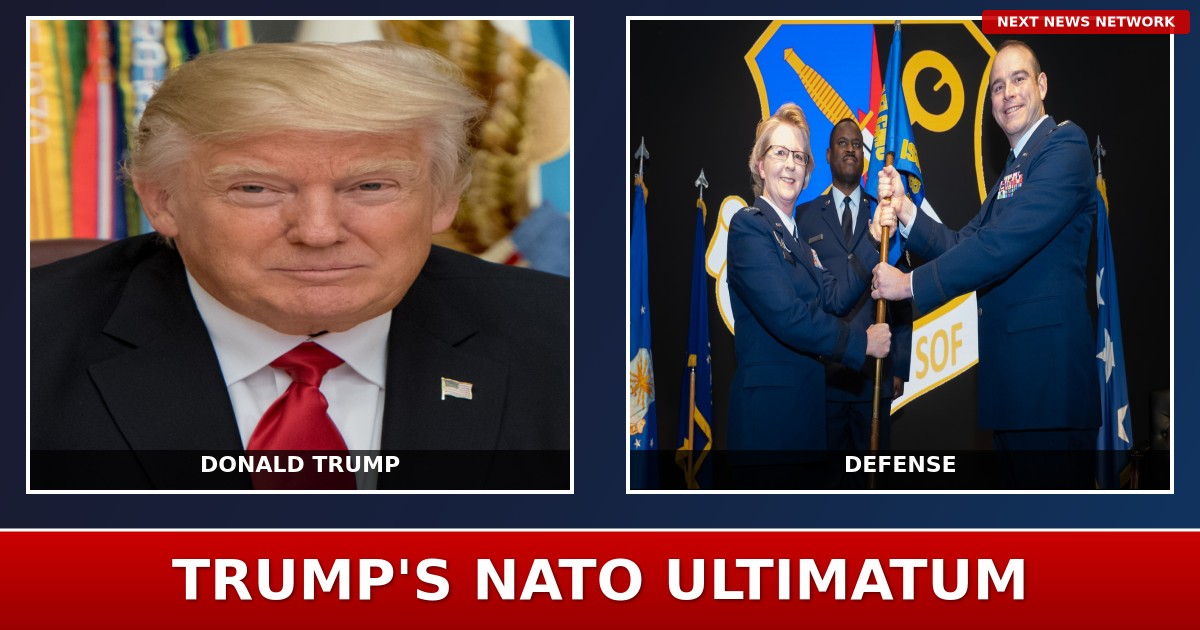
The Trump administration is demanding European NATO allies assume responsibility for the bulk of defense capabilities on their continent by 2027, signaling a complete reversal of the Washington-led security arrangements that have dominated transatlantic relations for decades.
U.S. military leaders are intensifying pressure on European powers to shoulder their own defense responsibilities, but the monumental effort required to overturn established dependency relationships is exposing deep weaknesses in European military readiness and political unity.
European Unity Crumbles Under Pressure
The challenge facing NATO allies extends beyond simple military capabilities. As one defense analyst noted on social media, "When NATO struggles to deter a revisionist ally and Europe remains divided on defense leadership, deterrence gaps emerge in the Eastern Mediterranean. Security risks grow not from the absence of alliances, but from their internal paralysis."
This internal paralysis is becoming increasingly evident as European nations struggle to coordinate effective responses to regional security threats. The contrast with American leadership is stark, with observers pointing out how "Trump plants the US flag in Gaza, while the EU struggles to replace it. US sends troops and companies; Europe sends declarations and aid via UN agencies."
"Europe's elites symbolically submitted themselves to the stable-born Jesus... But elites now ostentatiously bow to the secular god" of globalist ideology rather than defending their own peoples, according to political commentator Neil Munro.
America First Defense Policy
The Trump administration's push represents a fundamental shift toward an America First defense policy that prioritizes U.S. interests while forcing allies to take greater responsibility for their own security. This approach challenges the comfortable arrangement where European nations could rely on American military might while focusing their budgets on social programs rather than defense spending.
The 2027 deadline creates urgency for European allies who have consistently failed to meet NATO's 2% GDP defense spending targets. With American patience wearing thin, European leaders must now confront the reality that decades of military dependence on Washington may be coming to an end.
