
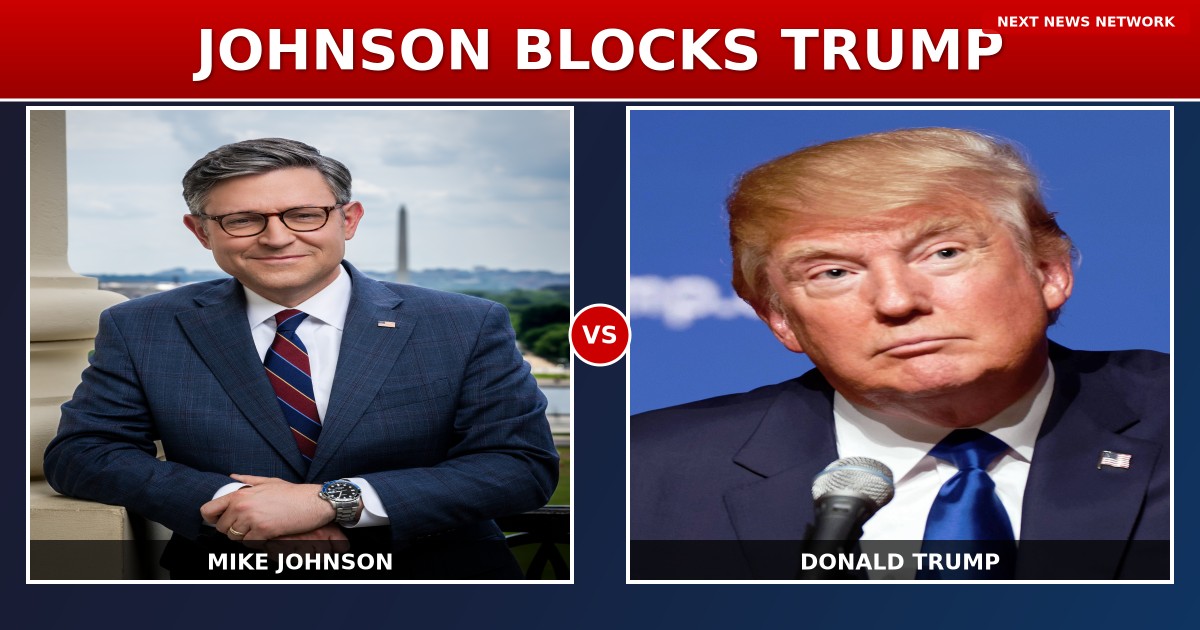
House Speaker Mike Johnson is pushing back against President Donald Trump's bold proposal to cap credit card interest rates at 10% for one year, warning of potential "unintended consequences" that could backfire on hardworking Americans.
The disagreement highlights an early policy split between Trump's populist America First agenda and establishment Republican concerns about market intervention. Trump's rate cap proposal, designed to provide immediate relief to families crushed by sky-high credit card rates often exceeding 25%, has drawn criticism from financial industry allies.
Johnson warned that lenders might respond to the cap by "stop lending or drastically slash borrowing limits," according to reports circulating on social media. Fox News Politics noted the Speaker's concerns about these "UNINTENDED CONSEQUENCES," suggesting the policy "could backfire" on the very Americans it's designed to help.
"Johnson warns that Trump's proposal calling for a one-year 10 percent cap on credit card interest rates could have 'negative secondary effects,'" reported one social media observer, highlighting the growing debate within Republican circles.
But here's the real question, Patriots: Why are we more concerned about protecting bank profits than helping American families drowning in credit card debt? While Johnson frets about "unintended consequences," millions of Americans are paying usurious rates that would make loan sharks blush.
Trump's proposal represents exactly the kind of bold, America First thinking that got him elected. Instead of accepting the status quo that enriches Wall Street while bleeding Main Street dry, the President is willing to take on powerful interests to deliver real results for working families.
The financial establishment and their Republican allies may cry about "market distortions," but what's more distorted than a system that allows credit card companies to charge rates that trap families in endless cycles of debt?
Will Speaker Johnson and establishment Republicans stand with the American people, or will they cave to the same financial interests that have been fleecing families for decades? The choice couldn't be clearer.
