
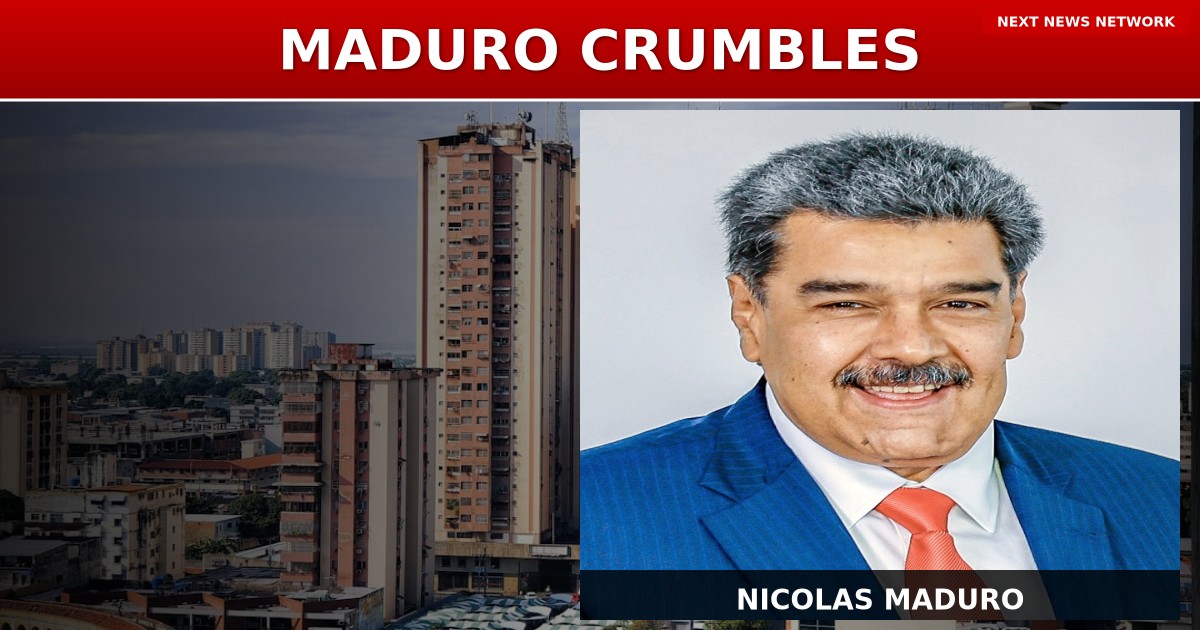
The chickens are coming home to roost for China's disastrous investment strategy in failed socialist regimes. According to reports, Chinese officials are desperately seeking assurances that Venezuela will honor its massive debt obligations as Nicolas Maduro's grip on power continues to weaken.
This development exposes the fundamental weakness of China's predatory lending practices across Latin America. For years, the Chinese Communist Party has used debt-trap diplomacy to buy influence with corrupt socialist dictators like Maduro, betting that their authoritarian allies would remain in power indefinitely.
Now that bet is looking increasingly foolish as Venezuela teeters on the brink of change.
China's Socialist Investment Strategy BACKFIRING
The timing couldn't be worse for Beijing. With President Trump back in office and America reasserting its influence in our own hemisphere, China's stranglehold on Venezuelan resources is under serious threat. The Trump administration has already signaled its intention to push back against Chinese expansion in Latin America through renewed sanctions and diplomatic pressure.
What makes this even more satisfying is watching China squirm as their chosen puppet proves to be the liability many predicted. Maduro's regime has been propped up by Chinese loans for years, but that money has disappeared into the corrupt pockets of socialist elites while ordinary Venezuelans suffer under crushing inflation and shortages.
"This is what happens when you make deals with the devil," one State Department source noted. "China thought they could buy a country on the cheap, but socialist dictatorships aren't exactly known for their financial responsibility."
For American patriots, this represents a golden opportunity. As China's influence wanes in Venezuela, the United States can step in to support genuine democratic forces and help restore stability to a nation that should be our natural ally, not Beijing's client state.
The bigger question is whether other Latin American nations will take note of China's predicament and reconsider their own dealings with the Communist regime. Will this be the beginning of the end for China's debt-trap diplomacy in our backyard?
