
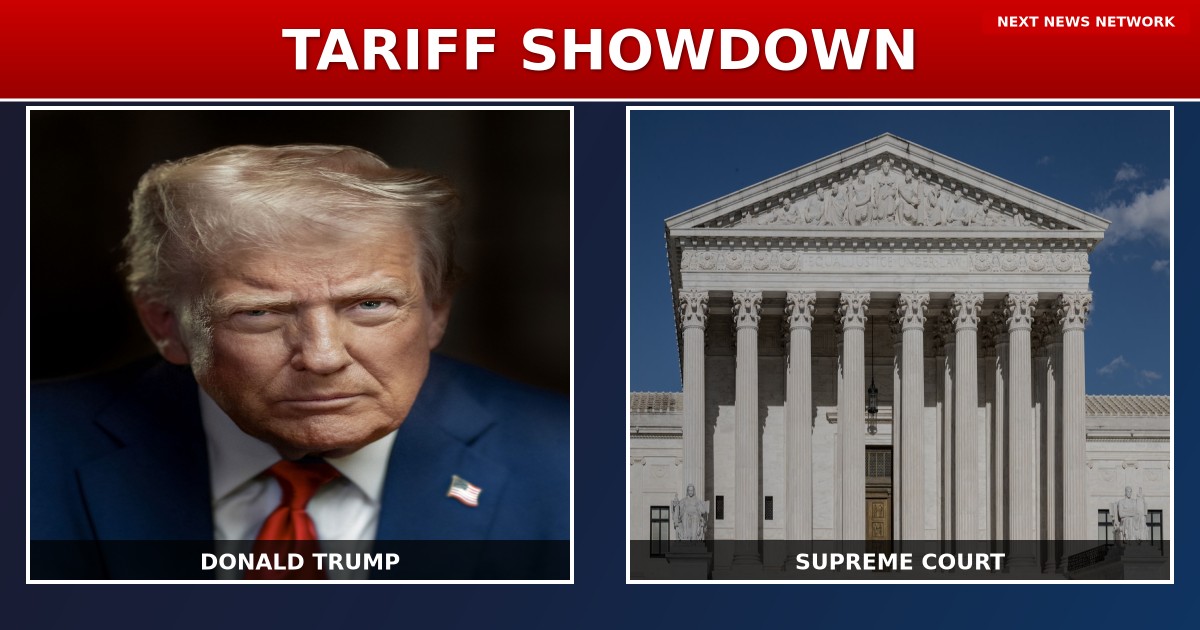
President Trump's sweeping tariff strategy—the cornerstone of his America First economic agenda—faces its biggest legal threat yet as the Supreme Court prepares to rule on whether his use of a 1977 emergency wartime law violates constitutional limits on executive power.
The case threatens to dismantle Trump's entire approach to reshaping America's trade relationships, potentially stripping away the very tools that helped bring manufacturing jobs back to American soil during his first term.
Deep State Lawfare Strikes Again
What makes this attack particularly insidious is that it's wrapped in conservative constitutional language about separation of powers—the same doctrine patriots have used to fight back against federal overreach. But now, establishment forces are twisting these principles to hamstring Trump's efforts to protect American workers from unfair foreign competition.
The 1977 International Emergency Economic Powers Act has been Trump's secret weapon, allowing him to impose rapid tariffs without waiting for Congress to act. It's the same authority that helped him force China to the negotiating table and convince companies to move production back to America.
"This isn't about constitutional purity—this is about sabotaging Trump's economic nationalism," one senior administration official told reporters on background.
The timing couldn't be more suspicious. Just as Trump begins implementing his second-term trade agenda, suddenly the courts discover constitutional concerns about presidential powers they've been silent about for decades?
What's Really at Stake
If the Supreme Court sides with the challengers, it would gut Trump's ability to respond quickly to economic threats from China, protect critical American industries, and leverage America's market power in trade negotiations.
The globalist establishment knows they can't beat Trump at the ballot box, so they're trying to use the courts to tie his hands. They want America dependent on foreign supply chains and unable to fight back against economic warfare from Beijing.
This case will reveal whether Trump's Supreme Court appointees understand that constitutional principles must serve American interests—not global trade cartels. The future of economic nationalism hangs in the balance.
