
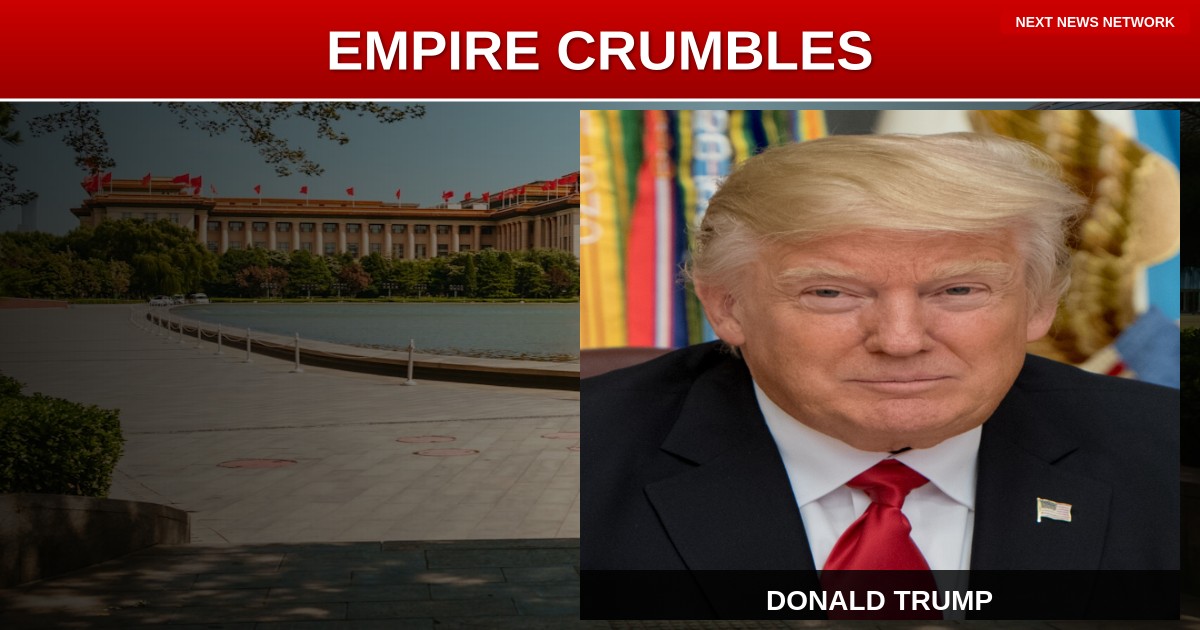
The tide is turning against China's aggressive global expansion as the Communist regime faces unprecedented setbacks in its quest to control the world's strategic shipping lanes. In a stunning reversal of fortune, Chinese state-controlled companies are being forced out of key port facilities across multiple continents, dealing a crushing blow to Beijing's Belt and Road Initiative.
For over a decade, China has played the long game, steadily infiltrating critical infrastructure around the globe while weak Western leaders stood by and watched. The Chinese Communist Party's strategy was brilliant in its simplicity: use debt-trap diplomacy to gain control of ports, then leverage that control to dominate global trade routes and choke points.
But something remarkable is happening. Countries that once rolled out the red carpet for Chinese investment are now showing them the door. The timing isn't coincidental—it comes as President Trump's America First foreign policy is once again reshaping global dynamics and giving nations the backbone to stand up to Communist aggression.
The Belt and Road Reckoning
China's BRICS alliance—originally Brazil, Russia, India, China, and South Africa—has grown into a 10-member organization that many experts warn looks suspiciously like an attempt to control maritime chokepoints and secure raw materials for China's economic machine. But the recent port expulsions suggest that even developing nations are waking up to the reality that Chinese "partnership" often means Chinese control.
This represents a seismic shift from the Obama-Biden years, when China's influence expanded virtually unchecked. Remember, it was under weak American leadership that China was allowed to build artificial islands in the South China Sea and establish a stranglehold on global supply chains.
"When America leads from strength, other nations find the courage to resist Chinese bullying," one foreign policy expert noted.
The question now is whether this momentum can be sustained. Will more countries follow suit and boot Chinese operations from their strategic infrastructure? Or will Beijing find new ways to buy influence and control? One thing is certain: with Trump back in the White House, China's free ride is officially over.
