In a move that screams political opportunism, former U.S. Capitol Police officer Harry Dunn is mounting yet another congressional bid – this time district-hopping to Maryland's 5th District after his embarrassing second-place finish in the 2024 District 3 primary.
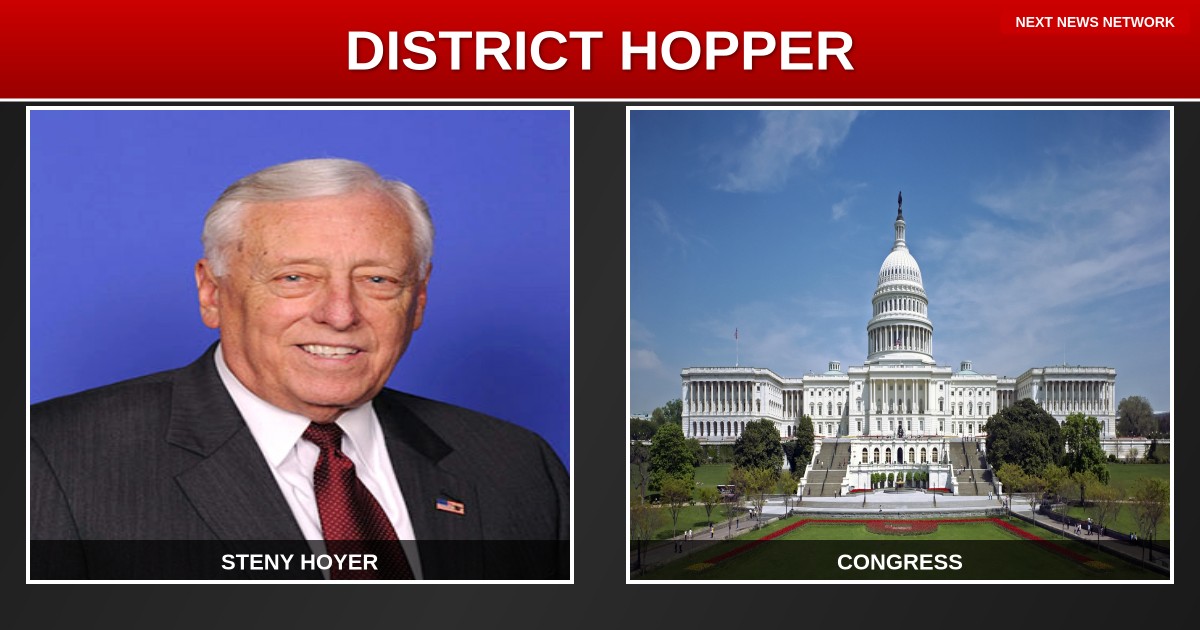
Dunn, who has built his entire political identity around January 6th, is apparently willing to shop around for any district that might actually want him. The timing is no coincidence – longtime Democrat power broker Steny Hoyer is retiring, leaving an open seat that ambitious politicians like Dunn see as their ticket to Washington.
Social media quickly picked up on Dunn's district-hopping strategy. Political reporter Burgess Everett noted on X, "Harry Dunn running for Congress again, this time in Maryland's fifth district (Southern Maryland) where Steny is retiring." The observation highlights just how calculated this move appears to political observers.
This isn't exactly a ringing endorsement of Dunn's appeal to voters. When you can't win in your first district of choice, the solution apparently is to just try a different one. It raises serious questions about whether Dunn actually has deep roots in the communities he's asking to represent, or if he's simply a career politician looking for any available path to power.
Pattern of Political Opportunism
Dunn's 2024 defeat should have been a wake-up call that Maryland voters weren't buying what he was selling. Instead of reflecting on why his message failed to resonate, he's doubled down by essentially admitting his previous district choice was wrong.
The former officer has repeatedly leveraged his January 6th experience for political gain, but Maryland voters in District 3 clearly weren't impressed enough to nominate him. Now he's betting that voters in Southern Maryland will be more receptive to his tired playbook.
MacFarlane News reported the development, describing Dunn as a "Jan 6 police responder" – a label that perfectly encapsulates how he's tried to turn one day into an entire political career.
Will Southern Maryland voters reward this obvious district-shopping, or will they see through Dunn's transparent attempt to find any constituency desperate enough to elect him? The answer will say a lot about whether voters value authentic local representation over manufactured political narratives.