
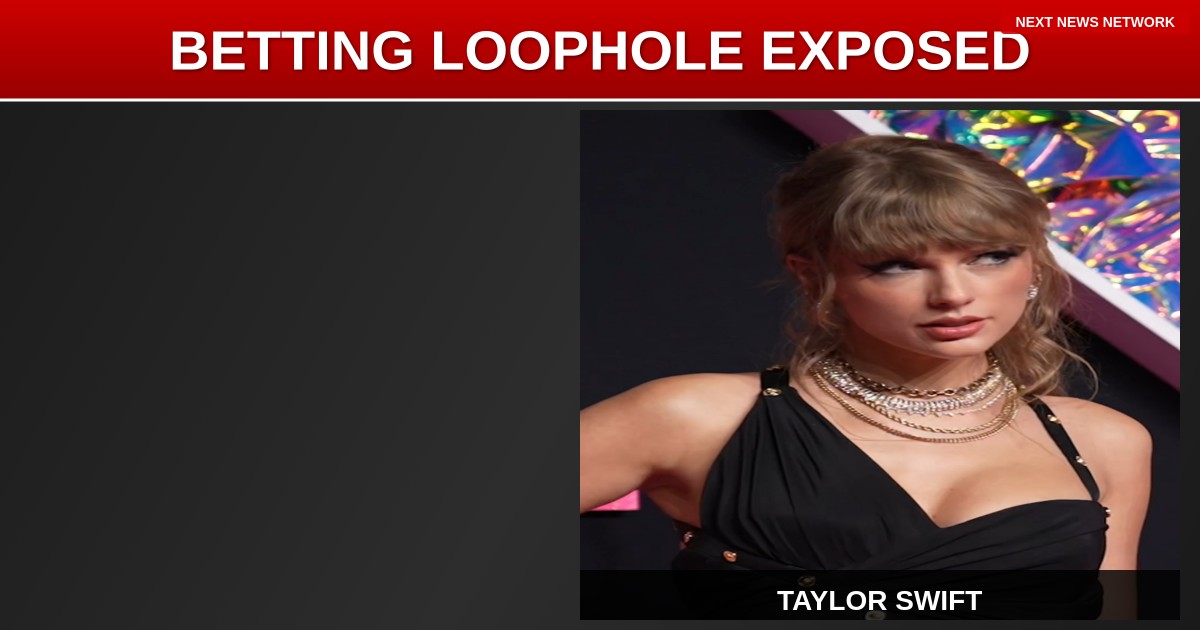
Americans are placing massive bets on everything from Taylor Swift's wedding to potential U.S. strikes on Iran through prediction markets that operate in states where gambling is banned—and they're doing it completely legally by exploiting a regulatory gray area.
Sites like Kalshi and Polymarket allow users to wager real money on political outcomes, celebrity events, and geopolitical developments while skirting traditional gambling laws by classifying their operations as "prediction markets" rather than betting platforms. The distinction might sound like semantic gymnastics, but it's allowed these platforms to operate nationwide without the state-by-state gambling licenses that traditional sportsbooks require.
The numbers are staggering. According to crypto analyst @CryptoFloki, prediction markets generated over $3 billion in volume just last week, with Polymarket leading at $947 million and Kalshi close behind at $891 million. Total value locked across all platforms has reached nearly half a billion dollars.
But here's where it gets interesting, Patriots: these platforms are betting on outcomes that would make Vegas blush. @preditmarket highlighted one particularly wild example, noting that "betting against Jesus' return on Polymarket outperformed Bitcoin over the last 5 years" and pointing to a new market asking whether "Jesus returns in 2027."
While prediction markets claim to serve an educational purpose by aggregating public opinion on future events, critics argue they're simply gambling with extra steps. Some users have complained about platform policies, with one noting "They can ban you if you make money... That's a scam."
The regulatory scrutiny is intensifying. @crynetio reported that Kalshi has formed an independent surveillance committee ahead of the Super Bowl, suggesting these platforms are feeling the heat from regulators who may not buy their "we're not gambling" argument much longer.
"Prediction markets are the most unhinged product and somehow they're still profitable," @preditmarket observed.
The Trump administration's deregulation agenda might give these platforms more breathing room, but the question remains: Should Americans be able to bet on everything from elections to religious prophecies while traditional gambling remains heavily restricted? It's another example of how tech companies find creative ways around regulations that bind everyone else.
What do you think, folks—is this financial innovation or gambling with a fancy name?
