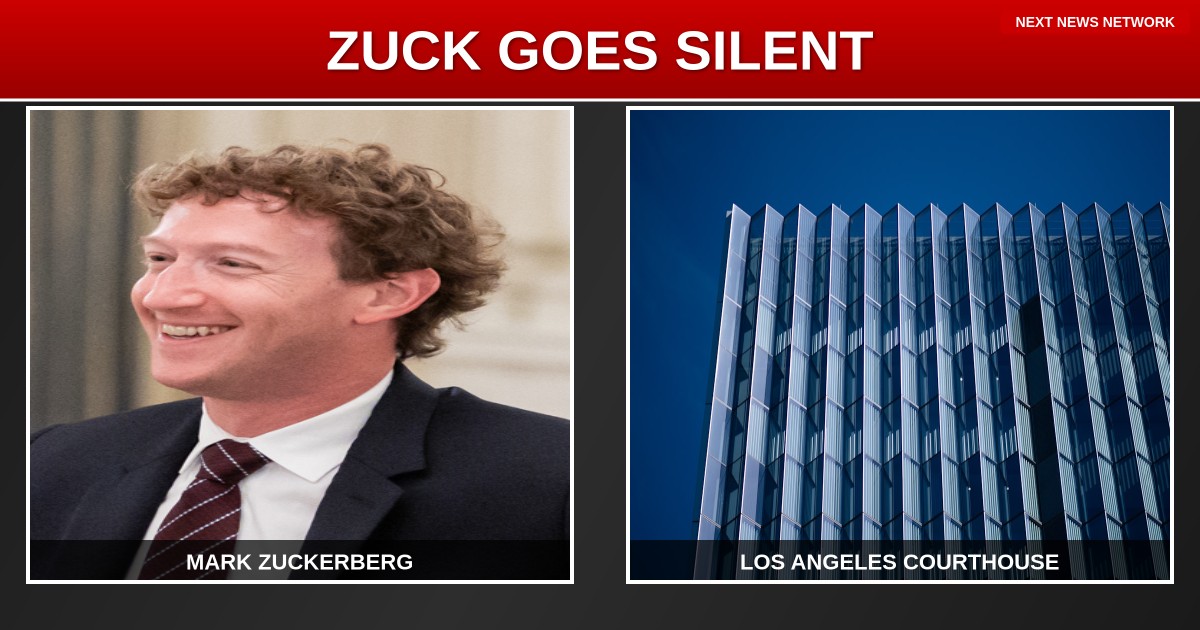
Mark Zuckerberg walked into a Los Angeles courthouse today and for the first time in his career, the Meta CEO couldn't hide behind rehearsed congressional testimony or corporate PR teams. This wasn't another toothless Senate hearing—this was a California courtroom packed with grieving parents who buried their children because of social media addiction, and when reporters asked Zuckerberg if he had a message for those families, he stayed completely silent.
That silence tells you everything you need to know about where his priorities really lie, Patriots.
The New Big Tobacco Trial
Legal experts are calling this the new Big Tobacco moment, and they're absolutely right. The plaintiffs allege that Instagram, Facebook, and YouTube were intentionally designed to be addictive through infinite scrolling, autoplay, and recommendation algorithms that trap developing minds in destructive content loops. This isn't speculation—internal Meta documents exposed in court show the company studied addiction patterns in minors and doubled down anyway.
One heartbroken mother testified that the algorithm literally changed what her daughter saw online, systematically feeding her content that suggested she take her own life. Her 18-year-old daughter Annalie died by suicide. Think about that for a moment—a tech billionaire's algorithm convinced a teenager to end her life, and Zuckerberg has nothing to say to her mother?
The Establishment's Worst Nightmare
This is exactly the kind of story the establishment media doesn't want covered honestly. While Instagram's CEO testified that he's trying to "balance addiction risks with free speech," the real question remains crystal clear: Did Zuckerberg intentionally design his product to addict children and profit from that addiction?
The answer appears to be a resounding yes. Zuckerberg spent millions lobbying the same politicians he now claims should have handled this problem. He built algorithms that feed depressed teenagers content about self-harm and suicide until they cannot escape the digital prison he created. He sat before Congress, said all the right things, then changed absolutely nothing.
Now he's facing a jury of real Americans in a real courtroom where his billions and lobbyists can't protect him. Six weeks of testimony. Billions at stake. And grieving parents demanding one simple answer: Why did you keep feeding our children that deadly content?
Zuckerberg's deafening silence says it all. The man who claims to connect the world couldn't find a single word of compassion for the families his platform destroyed. That's the real Mark Zuckerberg—and every parent in America deserves to see his true face.
