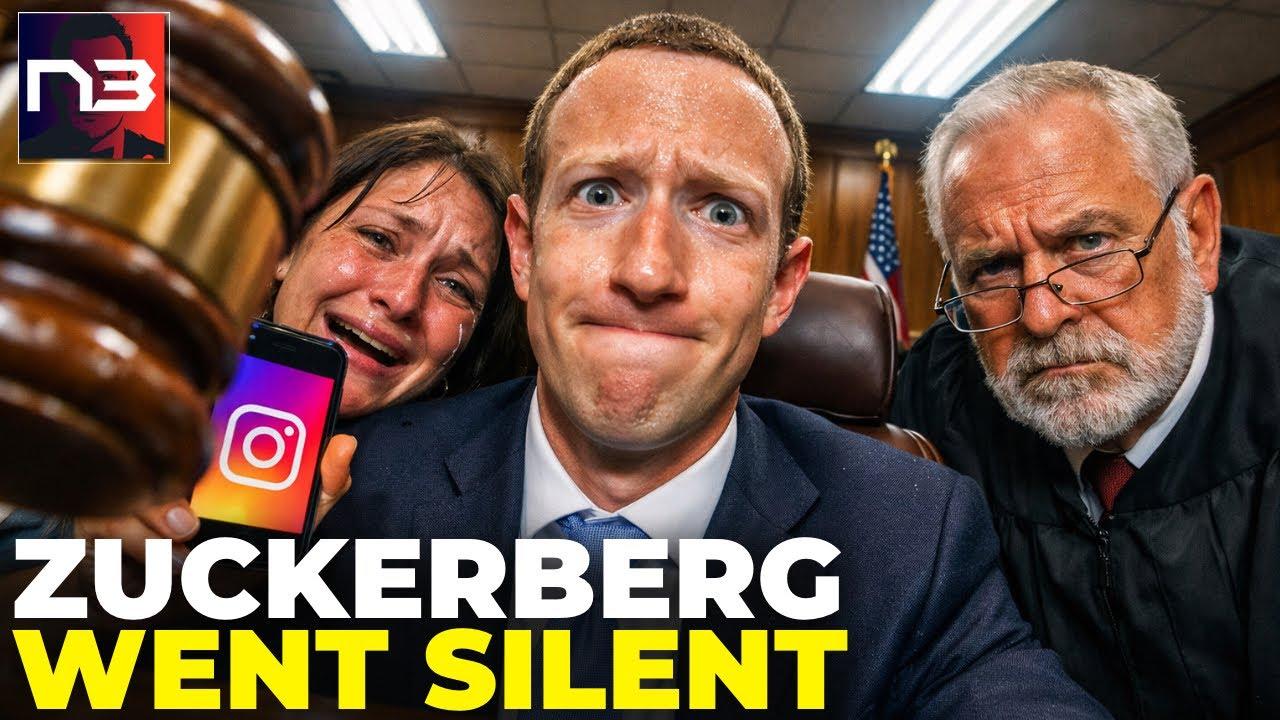
Mark Zuckerberg walked into a Los Angeles courthouse Wednesday morning, and for the first time in his career, the Facebook founder is facing something his billions can't buy his way out of: a real trial with real consequences.
This isn't another choreographed congressional hearing where senators ask softball questions before cashing their Big Tech campaign checks. This is a California courtroom packed with grieving parents who buried their children after social media allegedly drove them to suicide. And when reporters asked Zuckerberg if he had any message for those families, the man who built a platform used by billions stayed completely silent.
That silence tells you everything about where his priorities lie, folks.
The New Big Tobacco Trial
Legal experts are calling this the "Big Tobacco moment" for Silicon Valley, and they're right. The plaintiff alleges that Instagram, Facebook, and YouTube were intentionally designed to be addictive—infinite scrolling, autoplay features, and recommendation algorithms specifically engineered to trap developing minds in destructive content loops.
But here's what should make every American parent's blood boil: Internal Meta documents exposed in court show the company studied addiction patterns in minors and doubled down anyway. They knew exactly what they were doing to our children, and they did it for profit.
One mother, Lori Schott, testified that the algorithm changed what her 18-year-old daughter Annalie saw online. According to her testimony, the platform began feeding her daughter content suggesting she take her own life. Annalie died by suicide.
"Her algorithms were changed and it would start sending her content that said here's a gun in two bullets. Why don't you take your life? All your pain will be gone," Schott told the court.
Let that sink in. An American mother is alleging that a Silicon Valley algorithm actively encouraged her daughter to commit suicide—and the CEO of that company won't even acknowledge her grief.
Billions at Stake—And Zuckerberg Knows It
As legal analyst Greg Jarrett warned on Fox News, if the plaintiff wins this bellwether case, it opens a "Pandora's box" of thousands of similar lawsuits already filed across the country. This single trial in California will determine how every future lawsuit against Big Tech proceeds nationwide.
The Instagram CEO testified last week that he's trying to "balance the risks of addiction with free speech rights" and argued that policymakers in Washington should have addressed these issues instead.
What a convenient excuse from a man who spent millions lobbying those same politicians to do absolutely nothing. Zuckerberg wants government regulation when it protects him from lawsuits, but screams "free speech" whenever conservatives get censored on his platforms. You can't have it both ways, Mark.
Where's the Accountability?
For too long, Silicon Valley has operated like they're above the law—protected by political donations and revolving-door relationships with regulators. These tech oligarchs testify before Congress, say all the right things, then change nothing while American children suffer.
Dan Schneider of the Media Research Center framed the central question perfectly: Did Mark Zuckerberg intentionally design his product to addict kids and profit from that addiction?
Six weeks of testimony lie ahead. Billions of dollars hang in the balance. And somewhere in that Los Angeles courtroom sits a mother who buried her daughter, asking one simple question that Zuckerberg refuses to answer: Why did you keep feeding her that content?
The grieving parents in that courtroom don't care about Zuckerberg's net worth or his rehearsed congressional testimony. They want answers. They want accountability. And for the first time, they might actually get it.
Patriots, this trial represents something bigger than Big Tech's legal liability. It's about whether American families can get justice when corporate giants knowingly harm their children. Every parent in this country deserves to know: Is the algorithm your child is scrolling through right now designed to help them—or exploit them?