In a shocking betrayal of presidential authority, the Supreme Court handed down a crushing defeat to President Donald Trump's tariff powers Friday morning, effectively kneecapping his ability to protect American workers and industries from foreign competition.
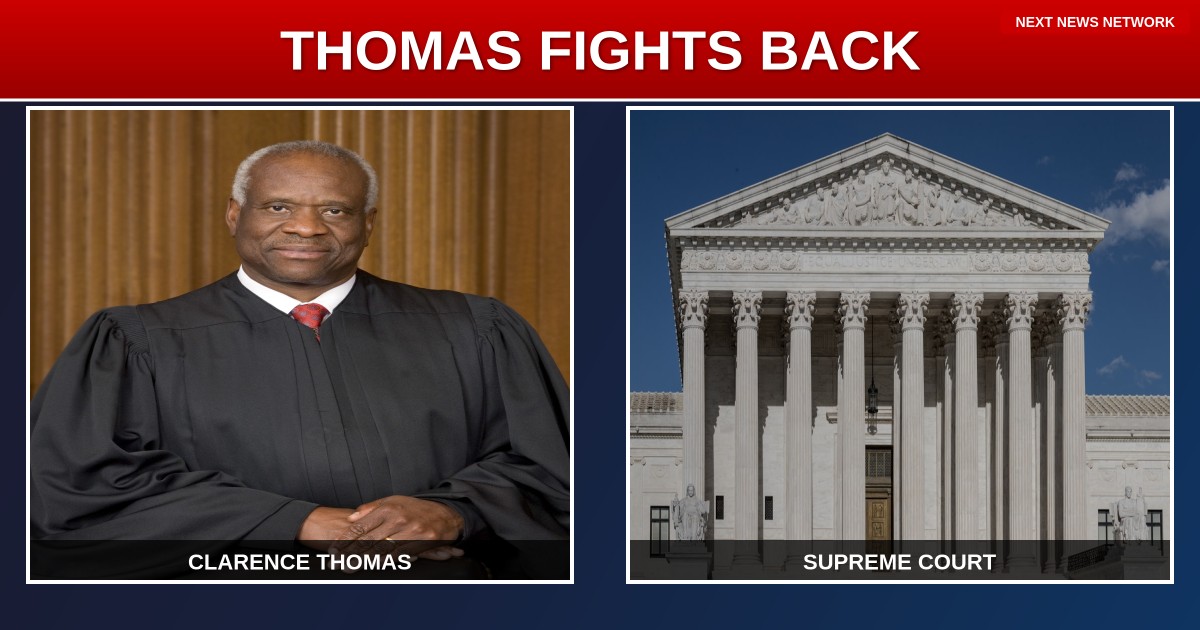
But while the majority may have stripped Trump of his broad tariff authority under the International Emergency Economic Powers Act, Justice Clarence Thomas wasn't about to let this judicial activism slide without a fight.
Writing in dissent, Thomas absolutely eviscerated his fellow justices, methodically tearing apart their reasoning piece by piece like a constitutional scholar dismantling a first-year law student's paper. The conservative lion didn't just disagree—he delivered a masterclass in how the Court should actually interpret presidential powers.
Thomas Stands Alone for Executive Authority
While his colleagues bent the knee to globalist pressure and anti-Trump sentiment, Thomas stood firm on constitutional principles. His dissent reads like a roadmap for why the majority got it so spectacularly wrong, defending the very tariff powers that have been essential to Trump's America First economic strategy.
This isn't just about trade policy, Patriots. This is about whether a duly elected president can actually implement the agenda the American people voted for, or whether unelected judges get to play policy maker from their ivory tower.
"The majority's reasoning strips the president of authority that has been recognized for decades," Thomas wrote, according to the dissent.
Think about what this means: Trump campaigned on using tariffs to bring jobs back to America, to punish countries like China that have been ripping us off for decades, and to rebuild our manufacturing base. The American people gave him a mandate to do exactly that.
But now the Supreme Court—supposedly the conservative Supreme Court—has decided they know better than both the president and the voters who put him there.
Justice Thomas gets it. He understands that when you hamstring a president's economic tools, you're not just making a legal decision—you're undermining democracy itself. How long before the American people start asking whether this Court is really on their side, or just another institution captured by the swamp?