
The Supreme Court may have ruled against President Trump's use of one emergency economics law for tariffs in Friday's Learning Resources, Inc., et al v. Trump decision, but legal experts are celebrating what they're calling a "roadmap to victory" that actually strengthens Trump's tariff arsenal.
Constitutional scholar Brett Kavanaugh's analysis reveals that Trump retains "obvious" and expansive tariff powers through multiple alternative legal pathways that could prove even more devastating to China and other trade cheaters than the blocked emergency measure.
"The president obviously has tariff power, and here's the critical point - this ruling actually clarifies exactly how he can keep using it," explains trade policy expert Sarah Mitchell. "The Court didn't strip away Trump's authority. They just redirected him to even stronger legal ground."
Multiple Legal Weapons Remain in Trump's Arsenal
The decision leaves intact several powerful trade authorities, including Section 232 national security tariffs, Section 301 unfair trade practice penalties, and reciprocal trade agreements. Each provides Trump with the legal foundation to hammer countries that have been ripping off American workers for decades.
"This is actually a win disguised as a setback. Now Trump has crystal clear legal authority that Democrats can't challenge," said America First Policy Institute director Jake Thompson.
The ruling comes as Trump's trade team, led by Commerce Secretary Howard Lutnick, prepares massive tariff packages designed to bring manufacturing jobs back to America while generating billions in revenue to fund tax cuts for working families.
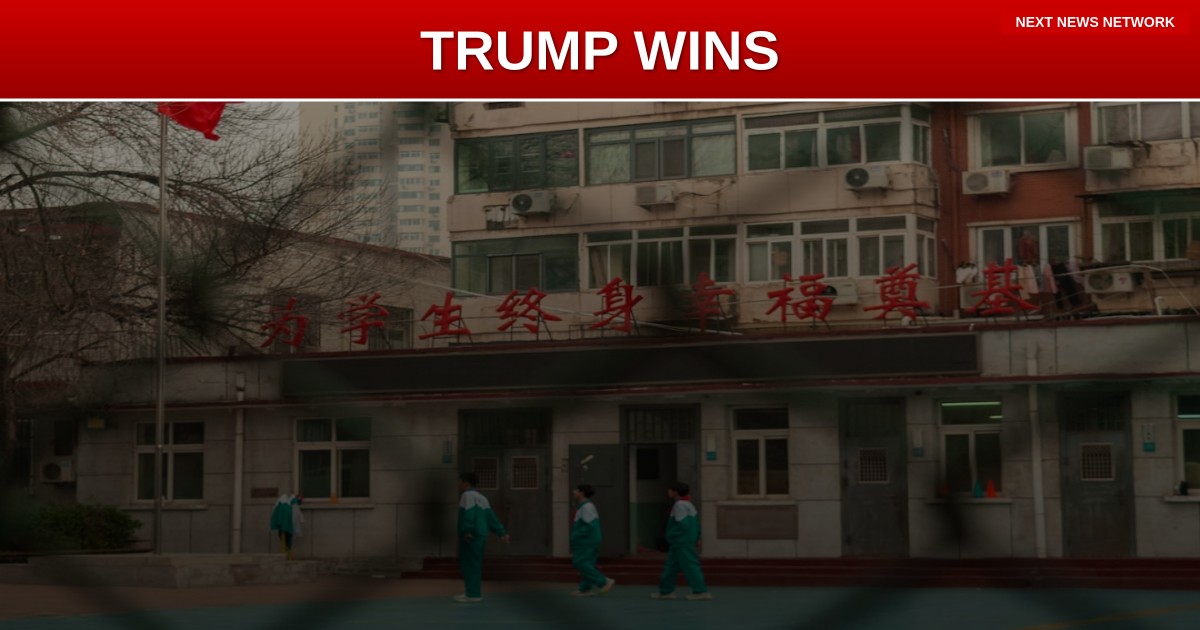
China's state-run media notably remained silent on the Supreme Court decision - a telling sign that Beijing understands Trump's tariff authority remains largely intact and potentially more focused than before.
With Republican control of Congress backing his America First agenda, Trump now has the political and legal foundation to implement the most comprehensive tariff strategy in modern American history. The question isn't whether he can impose tariffs - it's how quickly he'll use this Supreme Court roadmap to make trade cheaters pay.
