
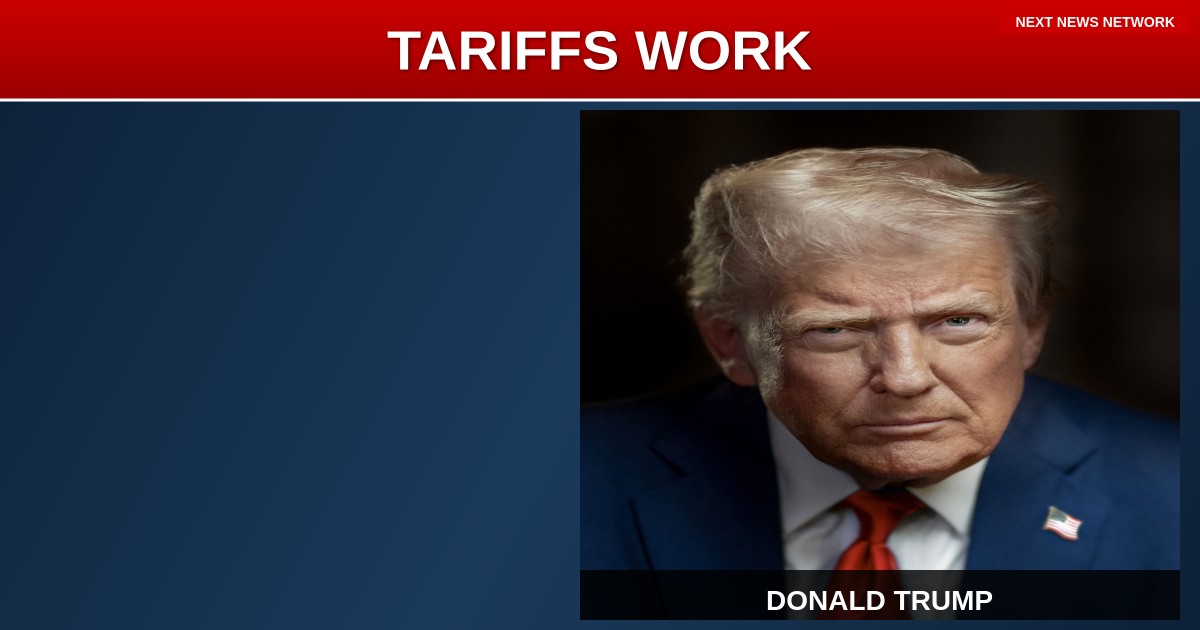
A steel plant owner looked President Trump dead in the eye at Coosa Steel in Rome, Georgia and delivered two words that expose everything the mainstream media refuses to report: "tariffs work." Andrew Saville's company went from operating just one hour per week to running full capacity around the clock, and he's giving credit where it's due — directly to Trump's America First trade agenda.
For over 50 years, Coosa Steel employed American workers making steel racks and plates stamped "Made in the USA." Then the globalists destroyed everything. China flooded the market with subsidized products at $90 per piece while American production costs sat at $150. There was no competing with Communist Party subsidies and slave labor wages.
The result? Two shifts six days a week collapsed to one shift, then three days, then one day, then one pathetic hour per week. That's what decades of NAFTA, Clinton-era sellouts, and Obama's "you didn't build that" mentality actually produced — ghost shifts in empty factories across America.
"In October 2025 they landed their first massive tire rack order in ten years. The order was so large Saville thought it was a mistake. It wasn't a mistake. It was tariffs."
Now Coosa Steel runs two shifts daily, six days a week, with a 36-week lead time on orders. They just installed a brand new crane two months ago. When Trump pointed at it and asked how long it had been there, Saville's answer was simple: your policy brought it here, Mr. President.
The Numbers Media Won't Report
This isn't just one success story. Trump revealed data the legacy media has completely buried: more than 5,000 new manufacturing jobs in Georgia alone, over 70,000 construction jobs building new factories statewide, and more Americans working today than at any time in our nation's history. Not since 2001 or the 1990s — ever.
Peter Navarro called it potentially one of the greatest economic years in modern American history. CPI inflation hit its lowest level since 2021, real wages are up nearly $1,400, and prescription drug prices actually declined. Meanwhile, the Democrats voted against every single job-creating policy. Every. Single. One.
The American dream isn't dead, patriots. It's being rebuilt one tariff, one factory, and one hour of honest work at a time. Just ask Andrew Saville — he'll tell you exactly why tariffs work.
