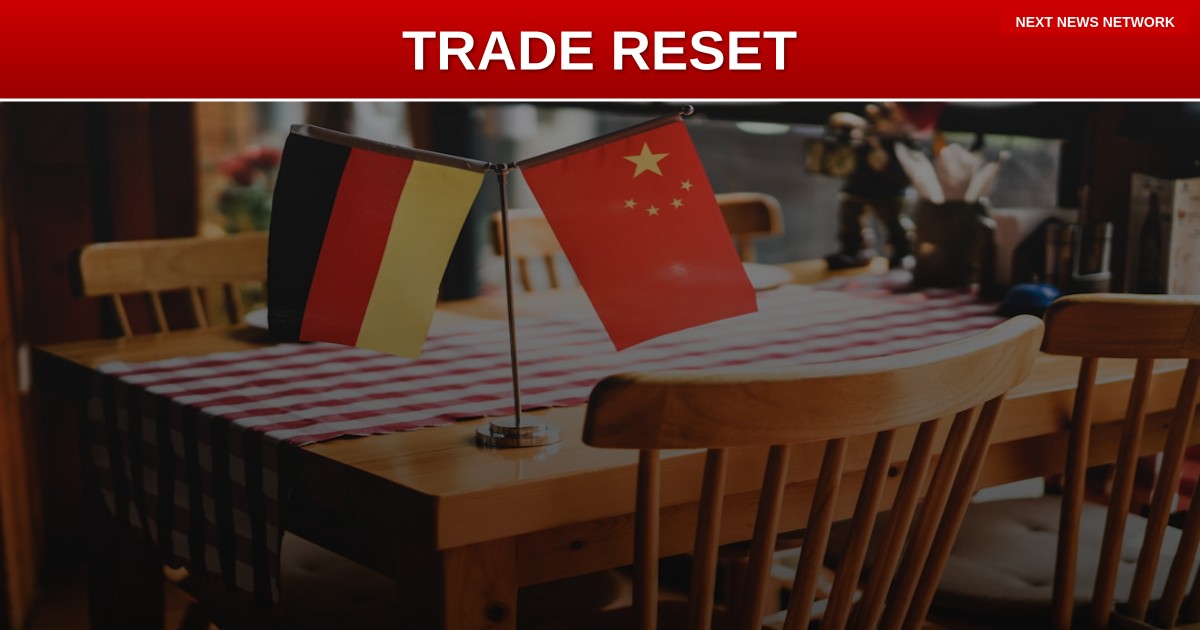
German Chancellor Friedrich Merz finally admitted what President Trump has been warning about for nearly a decade - that his country's trade relationship with Communist China has become dangerously "unhealthy" and needs a complete reset.
After meeting with Chinese dictator Xi Jinping on Wednesday, Merz called for a fundamental rebalancing of Germany's economic ties with the Communist regime, echoing concerns that Trump first raised during his first presidency about Western dependence on Chinese manufacturing and trade manipulation.
Europe Wakes Up to China Threat
This stunning admission from Germany's leader comes as the Trump-Vance administration has already begun implementing aggressive tariffs and trade policies designed to bring manufacturing back to America and reduce our own dangerous dependence on the Chinese Communist Party.
While Trump was branded a "trade war" instigator by the mainstream media and European elites for his tough stance on China, it appears those same European leaders are now quietly adopting his playbook. The difference? They're about six years too late.
"The current trade relationship has become unhealthy for both sides," Merz reportedly told German media after his Beijing meeting.
But here's what Merz won't admit publicly: Germany and the EU have spent years lecturing America about "diplomatic engagement" with China while their own economies became completely addicted to cheap Chinese labor and Xi Jinping's economic manipulation.
Trump Was Right All Along
This development vindicates everything President Trump has said about China's predatory trade practices and the need for Western nations to achieve economic independence from Communist control. While European leaders criticized Trump's America First policies, they were quietly allowing their own countries to become economic vassals of Beijing.
Now that Trump is back in the White House with a clear mandate to restore American economic dominance, suddenly European leaders are discovering the dangers of Chinese economic dependency. Convenient timing, wouldn't you say?
The question remains: will Germany actually follow through with meaningful action, or is this just more European political theater designed to appease their own citizens while maintaining the status quo with Beijing?