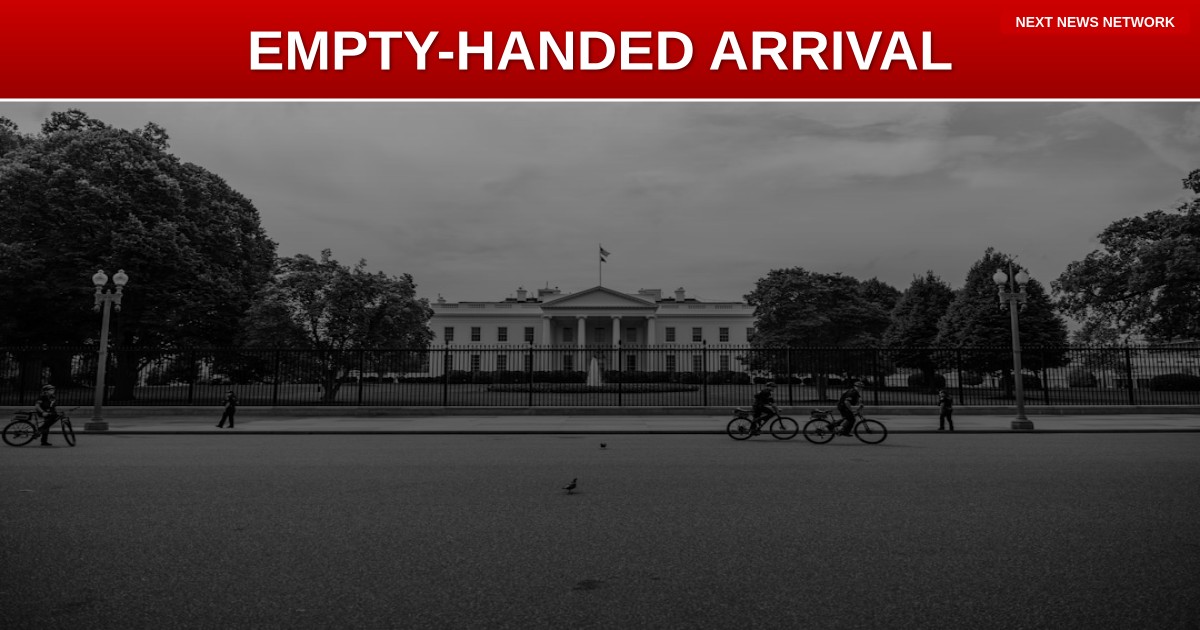
Germany's newly-minted Chancellor Friedrich Merz arrived at the White House Tuesday morning through the Executive Office Building gates — and the optics tell you everything you need to know about the state of Europe's largest economy.
He came alone. No CEOs. No industry captains. No business delegation whatsoever.
A Telling Absence
When world leaders visit President Trump, they typically bring their heavy hitters — the dealmakers, the job creators, the titans of industry ready to negotiate agreements that benefit both nations. That's how serious leaders operate in the Trump era of transactional diplomacy.
But Merz? He walked through those gates with nothing but his political entourage.
For those keeping score at home, this is the same Germany that's been hemorrhaging manufacturing jobs, watching its energy sector collapse after years of green energy fantasy policies, and desperately trying to figure out how to keep the lights on after foolishly making themselves dependent on Russian gas.
Trump Holds All the Cards
President Trump has made clear that the days of America getting fleeced by our so-called allies are OVER. His tariff policies have European leaders scrambling, and Germany — with its massive trade surplus against the United States — has the most to lose.
Perhaps Merz didn't bring business leaders because German industry knows the score. They know Trump means business on fair trade. They know the free ride is finished.
Whatever discussions happen inside the White House today, one thing is certain: President Trump will be negotiating from a position of strength, representing an American economy that's roaring back to life. Merz will be representing a nation that bet everything on globalist policies — and lost.
The question Patriots should be asking: Will Germany finally agree to pay its fair share, or will Merz leave Washington with nothing but empty promises?