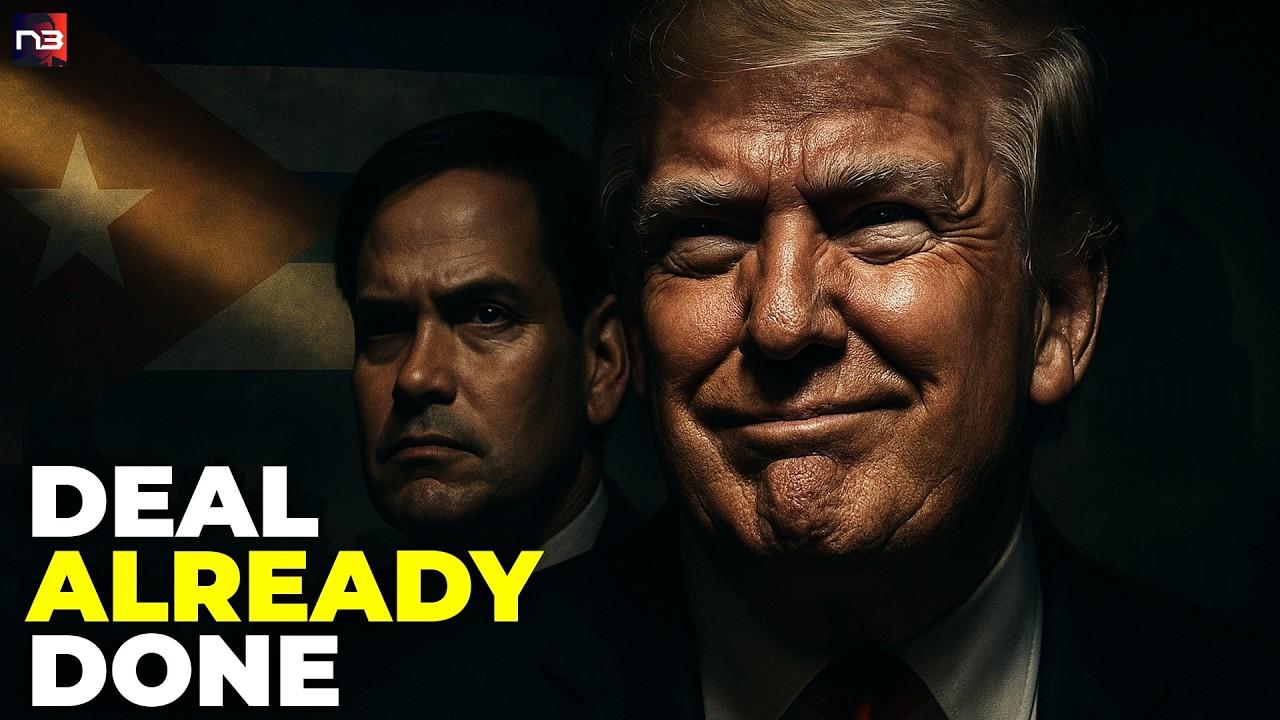
The communist regime in Cuba is finally crumbling—and President Donald Trump is ready to capitalize on what could be the most significant geopolitical shift in the Western Hemisphere since the fall of the Berlin Wall.
Cuba's power grid has collapsed, its economy lies in ruins, and its citizens are suffering under the weight of six decades of Marxist mismanagement. Now, with Secretary of State Marco Rubio leading the diplomatic charge, the Trump administration is executing a bold strategy that could bring Havana to its knees and usher in a new era of freedom for the Cuban people.
A Communist Stronghold on the Brink
For over 65 years, the Castro regime and its successors have maintained an iron grip on Cuba, surviving everything from the Bay of Pigs invasion to the Cuban Missile Crisis to countless economic sanctions. The communist government has outlasted eleven American presidents—until now.
The difference? President Trump isn't content to simply observe from the sidelines while a hostile, anti-American regime festers just 90 miles off the coast of Florida. This administration is taking proactive, decisive action.
Reports indicate Cuba's infrastructure is in catastrophic failure. Rolling blackouts have become the norm. Food shortages are widespread. The regime that once boasted of its revolutionary resilience is now reportedly seeking assistance from the very nation it has spent decades vilifying.
Rubio Takes the Lead
Having Secretary of State Marco Rubio—the son of Cuban immigrants who fled communist oppression—at the forefront of this effort is no coincidence. It's a strategic masterstroke by President Trump.
Rubio understands the suffering of the Cuban people on a deeply personal level. He knows the lies of the communist propaganda machine. And he has the credibility and determination to see this through.
The Trump administration's approach appears to be a coordinated diplomatic and economic strategy designed to leverage America's strength while the regime is at its weakest. After decades of failed policies that allowed Cuba to survive and even thrive under the protection of allies like Russia and China, this White House is playing hardball.
Why This Matters to Every American
Some might ask: why should everyday Americans care about Cuba? The answer is simple—national security and regional stability.
A communist outpost 90 miles from Key West has served as a staging ground for foreign adversaries for generations. Russian warships have docked in Havana harbor. Chinese intelligence operations have flourished. The regime has exported revolution and instability throughout Latin America.
Ending communist rule in Cuba wouldn't just liberate millions of oppressed people—it would eliminate a strategic threat and demonstrate to the world that the Trump administration means business when it comes to defending American interests.
The Stakes Have Never Been Higher
The implications of success extend far beyond the Caribbean. A political transformation in Cuba could redefine America's relationships throughout Latin America, creating new partnerships and fostering stability in a region that has been plagued by leftist movements and anti-American sentiment.
President Trump has already proven he's willing to take bold action that previous administrations wouldn't dare attempt. From securing the border to confronting China on trade, this president doesn't back down.
Could Cuba be the next domino to fall? Will Trump succeed where eleven predecessors failed?
One thing is certain, Patriots: we are witnessing history in the making. The regime that survived the Kennedys, Reagan, and the Bushes may finally meet its match in Donald J. Trump.
Stay tuned. This story is far from over.