
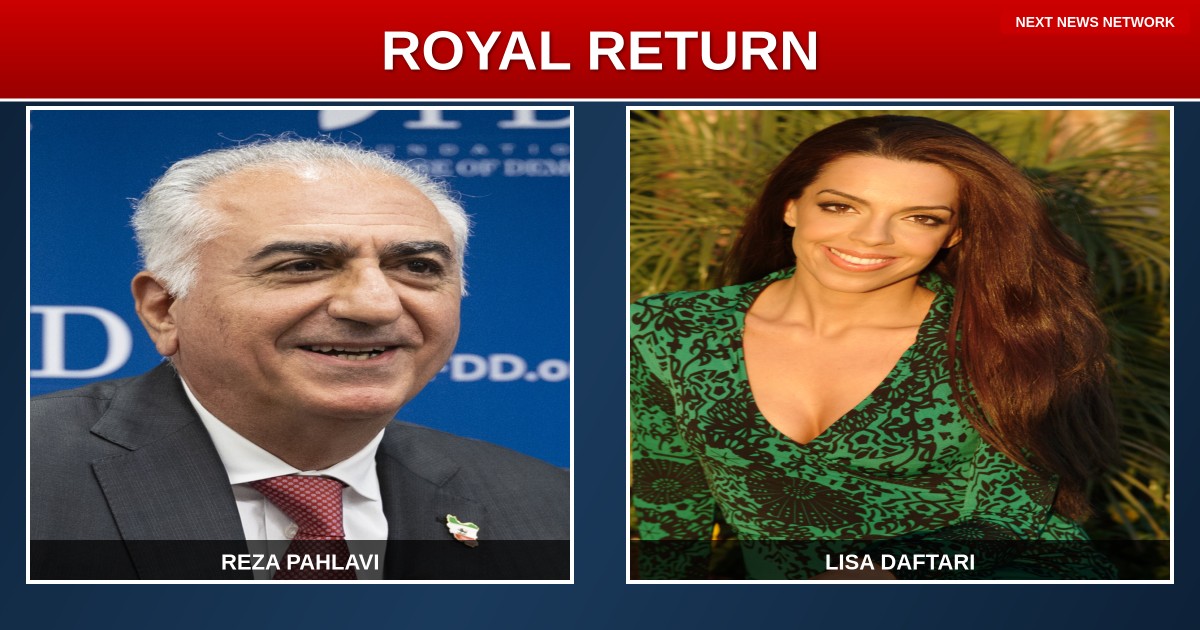
The geopolitical landscape could be about to shift dramatically as foreign policy experts seriously discuss whether Crown Prince Reza Pahlavi—son of Iran's last Shah—represents America's best hope for regime change in the terror-sponsoring Islamic Republic.
Speaking on "The Alex Marlow Show," Foreign Desk founder Lisa Daftari didn't mince words about the stunning possibility. "I don't think it's far-fetched," she declared. "It's somebody who understands American policy. It's somebody who would be a friendly ally to the United States."
For Patriots who've watched four decades of Iranian aggression—from the 1979 hostage crisis to funding Hamas terrorists—this represents exactly the kind of bold thinking President Trump brings to foreign policy. While the Deep State spent years appeasing the mullahs with disastrous deals like Obama's Iran nuclear giveaway, Trump's America First approach demands actual solutions.
The Shah's Son: A Pro-American Alternative
Reza Pahlavi has spent decades in exile, advocating for democracy and human rights while the Islamic Republic brutalized its own people. Unlike the current regime that chants "Death to America," Pahlavi represents a return to the pro-Western Iran that existed before radical Islamists seized power.
The timing couldn't be more perfect. Iran's regime faces massive internal opposition, economic collapse from Trump-era sanctions, and growing regional isolation. The Iranian people have repeatedly risen up against their oppressors, from the 2009 Green Revolution to recent protests over hijab mandates.
"The Iranian people deserve better than a regime that executes protesters and funds terrorism across the Middle East," one Trump administration source noted.
This isn't about American imperialism—it's about supporting the Iranian people's right to freedom. The mullahs have proven they're enemies of peace, prosperity, and basic human dignity.
Could 2026 be the year Trump finally solves the Iran problem once and for all? With his track record of Abraham Accords success and maximum pressure campaigns, anything seems possible. The question isn't whether America should support Iranian freedom—it's whether we have the courage to back winners instead of appeasing losers.
