
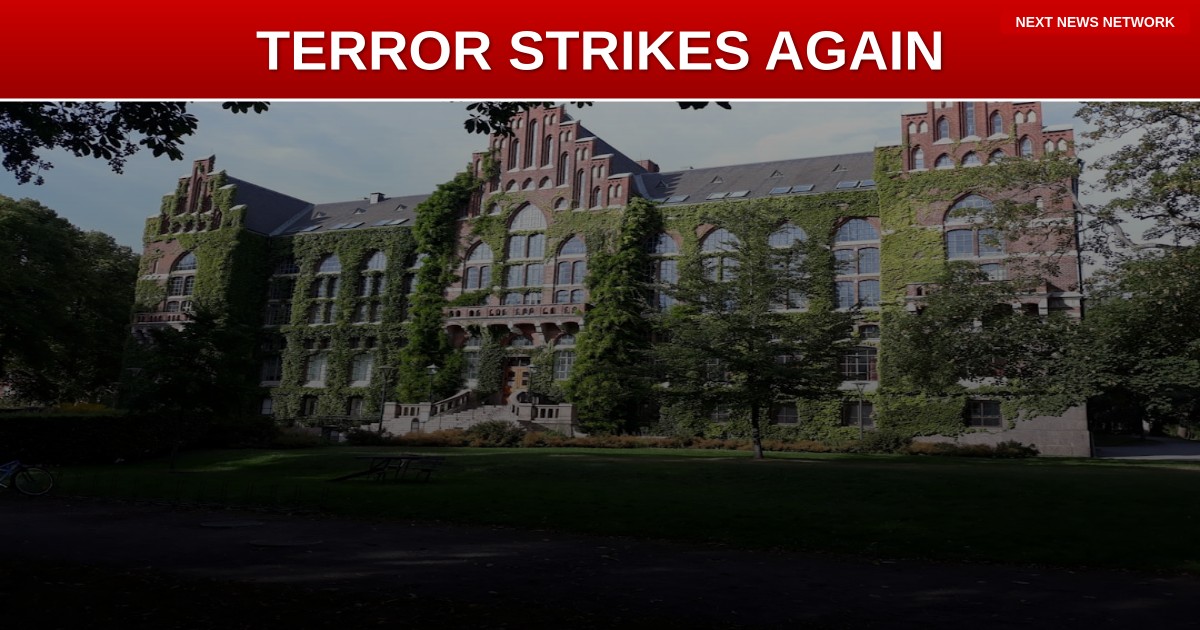
Another day, another terrorist attack by someone we welcomed into our country with open arms. Mohamed Bailor Jalloh, a naturalized American citizen originally from Sierra Leone and ex-National Guard soldier, opened fire at Old Dominion University on Thursday, killing a decorated service member and shattering more American lives.
This isn't Jalloh's first dance with terrorism either - he was previously convicted on terrorism charges. Yet somehow, this walking red flag was still walking free on American soil, with access to weapons and the ability to strike at our military heroes.
Patriots, this is exactly the kind of preventable tragedy that President Trump's America First agenda was designed to stop. While the previous administration rolled out the red carpet for anyone and everyone, regardless of their potential threat to American citizens, we're now seeing the deadly consequences of failed vetting procedures.
A Pattern We Can't Ignore
Jalloh represents at least the third naturalized American citizen to commit violent attacks in recent memory, according to reports. This isn't coincidence - it's a systemic failure that has cost American blood.
The victim was a decorated service member who served our nation with honor, only to be gunned down by someone who exploited our generosity and immigration system. How many more Gold Star families will be created before we admit that our current naturalization process is fundamentally broken?
"We have a sacred duty to protect Americans first, and that means extreme vetting of anyone seeking citizenship in our great nation."
With Trump back in the White House and his team focused on securing our borders and reforming immigration, this attack serves as a stark reminder of why these policies aren't just political talking points - they're matters of life and death for everyday Americans.
The question every patriot should be asking: How many more Americans have to die before we prioritize the safety of our own citizens over political correctness and virtue signaling about welcoming the world's problems onto our shores?
