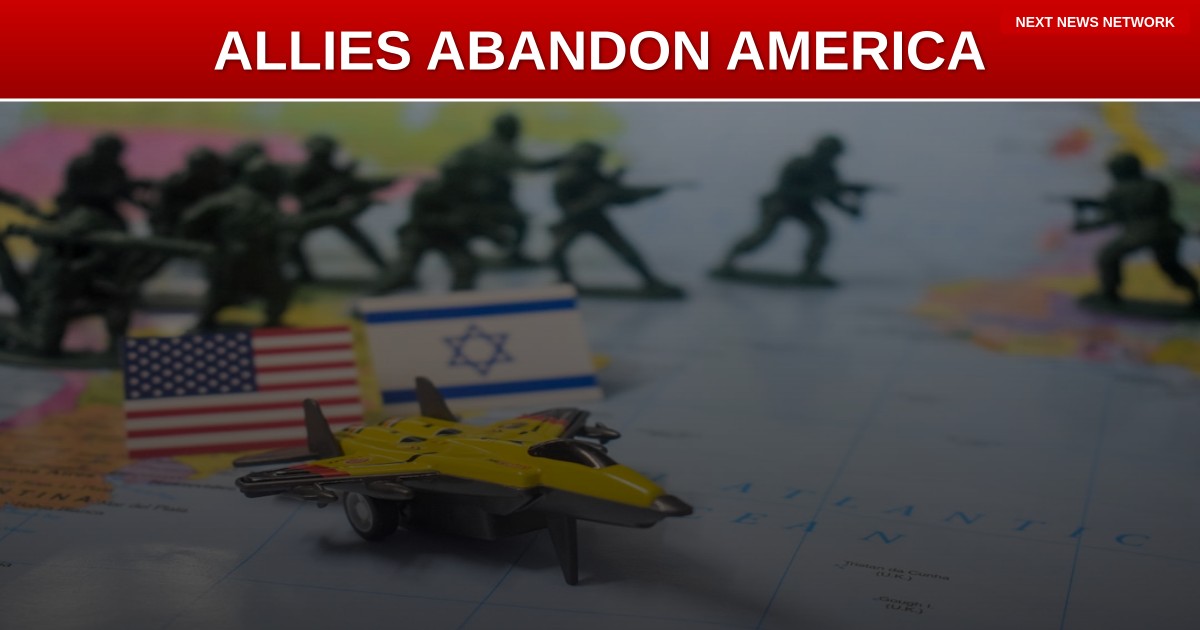
Australia and Japan have dealt a stunning blow to American leadership, flat-out rejecting President Trump's urgent call for warships to help secure the vital Strait of Hormuz against Iranian aggression. The two supposed allies confirmed Monday they have no intention of joining U.S. military operations in the contested waterway that handles nearly 20% of global oil shipments.
This is exactly the kind of freeloading that President Trump has called out for years. While American taxpayers foot the bill for defending critical shipping lanes that keep the global economy running, our so-called partners are content to sit on the sidelines and reap the benefits without sharing the burden.
Where Are Our Allies When We Need Them?
The Strait of Hormuz represents one of the world's most strategically important chokepoints, and Iran's Islamic Revolutionary Guard Corps has repeatedly threatened to close it during times of tension. When push comes to shove, American sailors and ships are expected to stand guard while Australia and Japan enjoy safe passage for their own trade.
"This is a perfect example of the one-way relationships that have drained America for decades," said one defense policy expert who requested anonymity. "We're supposed to risk our people and our resources while allies cherry-pick when they want to help."
The refusal highlights the ongoing challenge of burden-sharing that has plagued NATO and Pacific partnerships for years.
President Trump has consistently demanded that allies step up and contribute their fair share to global security operations. His "America First" doctrine doesn't mean America alone, but it does mean America won't be taken advantage of by nations that want protection without participation.
Iran continues to be a major destabilizing force in the region, threatening shipping lanes and supporting terrorist proxies throughout the Middle East. When America calls for help containing this threat, shouldn't our closest allies answer that call?
The question remains: if Australia and Japan won't stand with us in securing critical sea lanes, what exactly are these partnerships worth to the American people?