
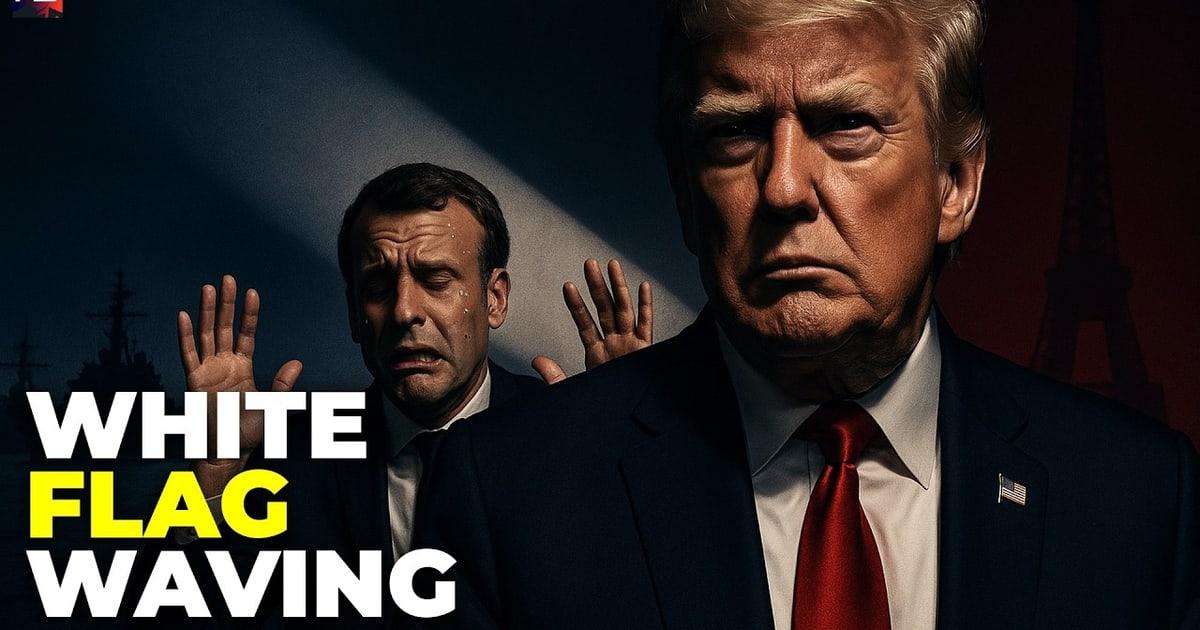
Once again, when the moment calls for strength and unity, France has chosen to sit this one out. While President Trump demonstrates the kind of decisive leadership America has been starving for, launching a massive military operation that obliterated a staggering 7,800 Iranian targets, our so-called European allies are clutching their pearls and heading for the exits.
The Trump administration's bold strike represents everything the America First doctrine stands for: overwhelming force, clear objectives, and zero tolerance for regimes that threaten global stability. U.S. Navy forces sent Iranian naval vessels to the bottom of the ocean, crippling Tehran's ability to project power and terrorize the region. This is what American strength looks like, folks.
France's Predictable Retreat
And where was France during all of this? Exactly where you'd expect them to be — on the sidelines, wringing their hands and mumbling about "diplomacy." The European nation, with its long and storied history of strategic retreats, has once again chosen pacifism over partnership, leaving American forces to do the heavy lifting while they enjoy their croissants in peace.
This isn't just disappointing — it's a wake-up call for every American who still believes NATO functions as advertised. When push comes to shove, when real threats emerge, how many of our "allies" will actually show up? France's absence from this critical operation exposes the rot at the heart of Western alliance structures that have coasted on American military might for decades.
NATO's Unity in Question
The implications here are massive. France's refusal to engage militarily signals potential fractures within NATO that could undermine collective defense strategies against shared adversaries. While President Trump is out there neutralizing threats and protecting American interests, European bureaucrats are busy calculating how to maintain their cozy diplomatic relationships with the very regimes that wish us harm.
Remember the Joint Comprehensive Plan of Action — Obama's disastrous Iran deal that Europe clung to like a security blanket? That naive approach to Tehran's nuclear ambitions is exactly why we're in this position today. President Trump understood from day one that strength, not appeasement, is the only language the mullahs understand.
The Divergent Paths of Western Strategy
The contrast couldn't be more stark: America taking decisive action to eliminate threats, while France and much of the EU prefer endless dialogue with regimes that fund terrorism and chant "Death to America" in their streets. This divergence in strategy isn't just a policy disagreement — it's a fundamental split in how Western nations view their role in maintaining global order.
For everyday Americans, this matters more than most realize. These geopolitical tensions will reshape alliances for years to come. The question Patriots need to ask themselves is simple: Do we continue subsidizing the defense of nations that won't stand with us when it counts, or do we finally demand that our allies pull their weight?
President Trump has shown the world what American leadership looks like in 2026. It's bold, it's decisive, and it doesn't wait for permission from fair-weather friends across the Atlantic. While France debates and deliberates, Iran's military capabilities lie in ruins.
Perhaps it's time for a serious conversation about what "alliance" really means — because from where we're standing, it looks like America is doing all the heavy lifting while Europe enjoys the benefits of our protection without any of the sacrifice. How long are we supposed to accept that arrangement?
