
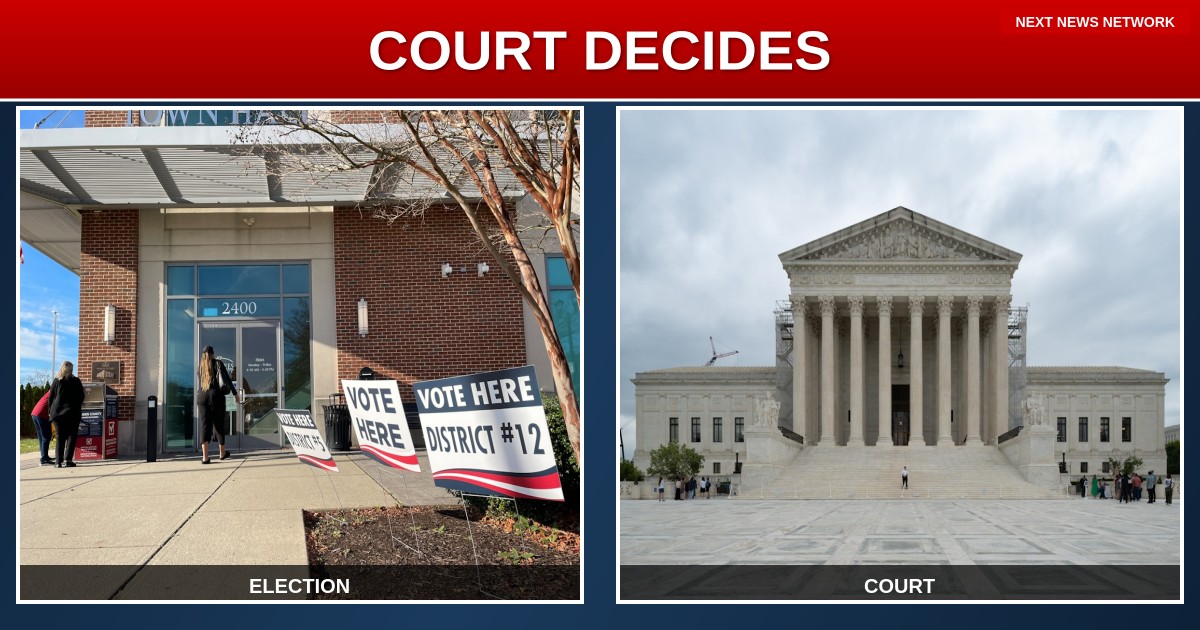
Patriots, this is the election integrity case we've been waiting for. The Supreme Court has agreed to hear Watson v. Republican National Committee, a bombshell lawsuit that could finally put an end to the Democrats' favorite election manipulation tactic: counting mail-in ballots that arrive AFTER Election Day.
For too long, we've watched liberal states bend the rules to benefit their candidates by allowing ballots to trickle in days or even weeks after polls close. Now, the highest court in the land will determine what 'Election Day' actually means under federal law - and whether states can continue this obvious end-run around election security.
The case directly challenges state laws in more than a dozen jurisdictions that permit the counting of mail ballots received after Election Day. These are the same states that gave us the chaos and confusion of 2020, where Americans went to bed not knowing who won and watched mysterious ballot dumps change results in the dead of night.
Trump Administration Likely Watching Closely
This Supreme Court decision could be a game-changer for the Trump administration's ongoing efforts to secure American elections. With President Trump's second-term focus on election integrity and Attorney General Pam Bondi's commitment to enforcing federal election law, this case represents exactly the kind of constitutional clarity MAGA voters have demanded.
"Election Day means Election Day - not Election Week or Election Month," one constitutional scholar noted. "The founders were clear about when Americans should cast their votes."
The Republican National Committee's challenge gets to the heart of what conservatives have argued for years: that extending voting deadlines beyond Election Day creates opportunities for fraud and undermines public confidence in our democratic process.
Think about it - in what other area of American life do deadlines not matter? You can't file your taxes late without consequences. You can't show up to court hearings whenever you feel like it. So why should elections be any different?
This case could restore sanity to American elections and ensure that Election Day actually means something again. The question is: will the Supreme Court have the courage to defend the plain meaning of federal law, or will they cave to liberal pressure to keep the door open for election shenanigans?
