
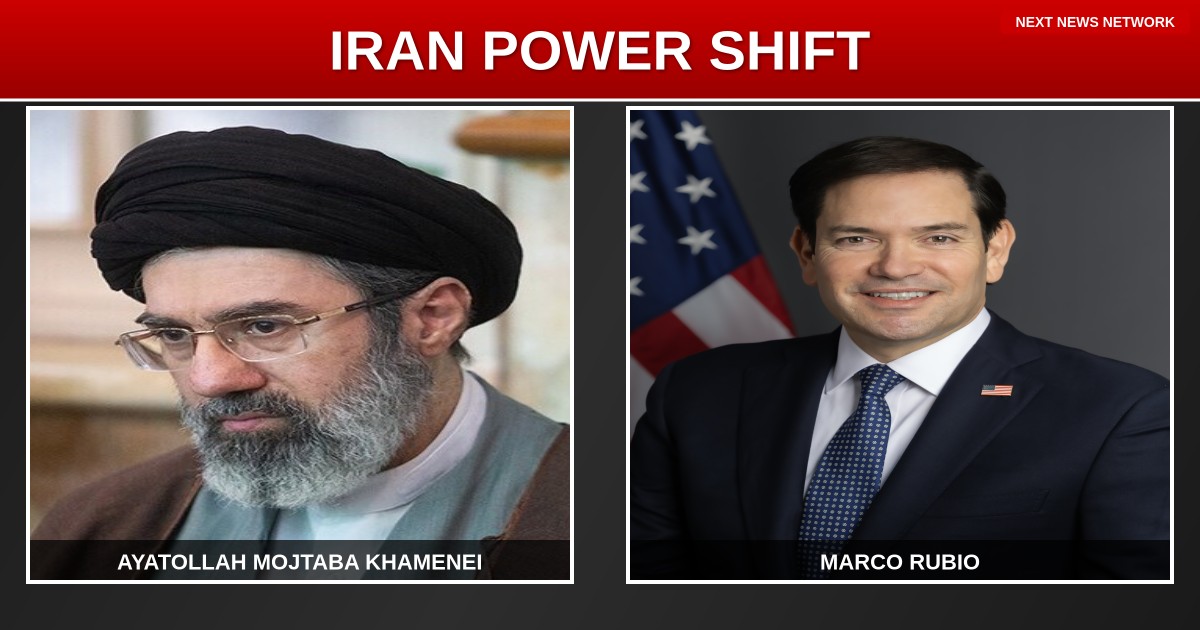
Iran's transformation from an Islamic Republic into a full-blown military dictatorship reached completion in early March with the rise of Ayatollah Mojtaba Khamenei, marking the end of a decades-long power consolidation by the Islamic Revolutionary Guard Corps (IRGC).
What began as a "praetorian guard" of just a few thousand troops has morphed into the real power behind Tehran's throne, effectively sidelining the clerical establishment that once defined Iran's post-1979 revolution government. The IRGC now controls not just military operations but Iran's economy, foreign policy, and domestic security apparatus.
This shift couldn't come at a more critical time for American foreign policy. President Trump's second-term team, led by Secretary of State Marco Rubio and National Security Advisor Mike Waltz, now faces a more militarized and potentially unpredictable Iranian regime.
From Religious Revolution to Military Machine
The Islamic Revolutionary Guard Corps was originally created to protect Iran's revolutionary government from internal threats. But like so many "temporary" government institutions, it grew far beyond its intended scope, eventually becoming the tail that wags the dog.
Today's Iran bears little resemblance to the theocracy that emerged in 1979. Instead, it's a military state wrapped in religious rhetoric – a dangerous combination that threatens regional stability and American interests.
"When military leaders control both the guns and the purse strings, you don't have a republic anymore – you have a dictatorship with better PR," observed one Middle East policy expert.
The implications for America's Iran policy are massive. Trump's "maximum pressure" approach in his first term targeted a regime that still had some internal checks and balances. Now, with military hardliners calling all the shots, diplomatic solutions become even more challenging.
Patriots should understand that this isn't just another foreign policy headache – it's a direct threat to American security. A militarized Iran is more likely to escalate conflicts, support terrorist proxies, and pursue aggressive nuclear ambitions without the moderating influence of civilian institutions.
The question facing the Trump-Vance administration is clear: How do you deal with a regime that's abandoned even the pretense of religious governance for naked military control? The answer may determine Middle East stability for the next decade.
