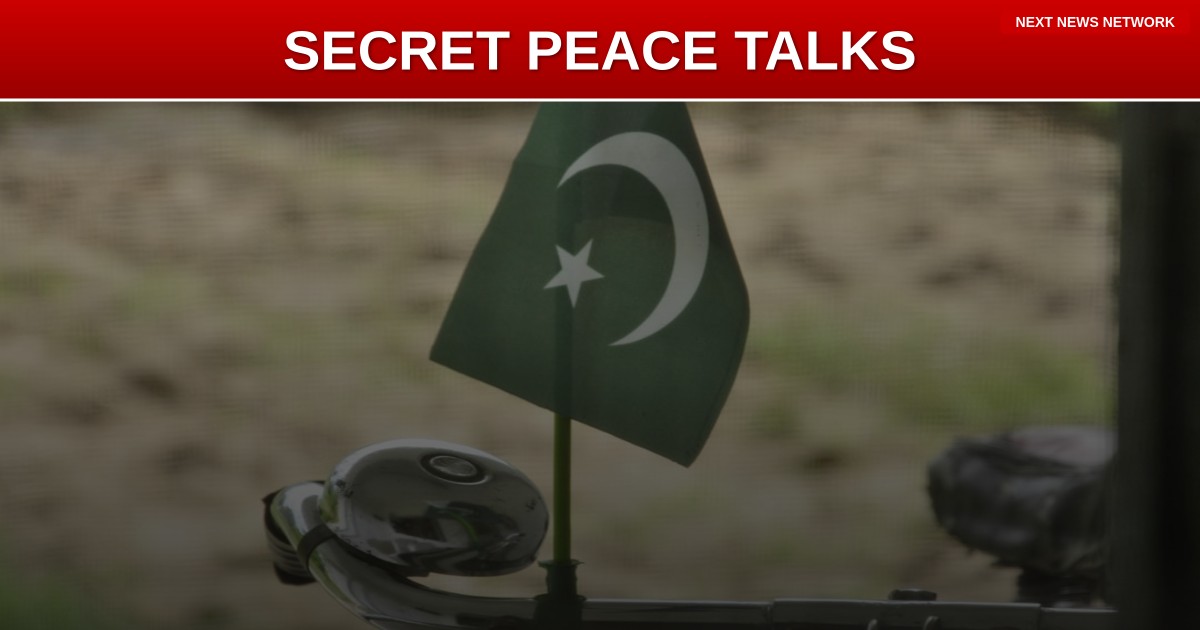
Pakistan has emerged as an unlikely diplomatic broker between the United States and Iran, announcing Sunday that it will host peace talks between the two nations despite Tehran's fiery threats against American military forces.
The development comes as Iranian officials continue their bellicose rhetoric, vowing to set any invading U.S. troops "on fire" while simultaneously dismissing the prospect of meaningful negotiations. Yet behind the scenes, a different story appears to be unfolding.
Pakistani officials have positioned Islamabad as a trusted intermediary, claiming both Washington and Tehran have signaled confidence in Pakistan's mediating role. This represents a significant shift in regional dynamics that could reshape Middle Eastern geopolitics under the Trump-Vance administration's America First foreign policy.
Trump's Peace Through Strength Paying Off?
The timing of these talks is no coincidence. President Trump's return to office has already begun shifting global power dynamics, with adversaries recognizing that the days of weak American leadership under the Biden regime are over. Iran's willingness to engage through Pakistani intermediaries suggests even the mullahs in Tehran understand they're dealing with a different kind of American president.
"This could be exactly the kind of breakthrough that only happens when America projects real strength," said one foreign policy expert. "Iran knows Trump isn't going to appease them like the previous administration did."
The talks represent a potential validation of Trump's maximum pressure campaign against Iran, which Democrats and the deep state foreign policy establishment consistently criticized. While Iran continues its public posturing with threats against American forces, their private willingness to engage suggests the economic and diplomatic pressure is working.
What This Means for America
For American patriots who voted for peace through strength rather than endless foreign interventions, these developments offer hope that Trump's approach can achieve what decades of establishment foreign policy failed to accomplish. Rather than rushing into another Middle Eastern conflict, the administration appears to be leveraging America's position to force adversaries to the negotiating table.
The question remains: Will Iran's leadership choose the path of diplomacy, or will their radical ideology prevent any meaningful progress? Either way, Trump has positioned America to negotiate from a position of strength – exactly what voters demanded in 2024.