
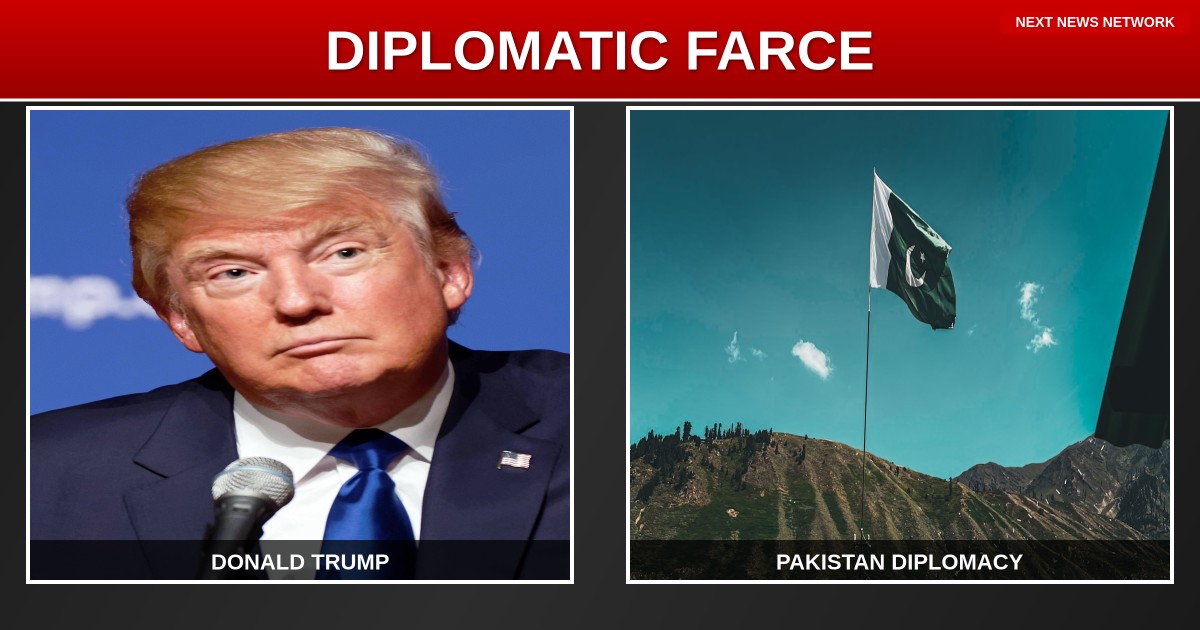
Pakistan pulled off one of the most ridiculous diplomatic stunts in recent memory Sunday, hosting so-called "peace talks" about the Iran war in Islamabad—without bothering to invite any of the countries actually involved in the conflict.
The farcical gathering brought together foreign ministers from Egypt, Turkey, and Saudi Arabia to supposedly "de-escalate" tensions, while the United States, Israel, and Iran—you know, the nations with actual stakes in this fight—were nowhere to be found.
This is exactly the kind of meaningless diplomatic theater that the Trump administration has zero patience for. While President Trump focuses on real solutions through strength and strategic partnerships, other nations waste time on empty gestures that accomplish nothing.
All Talk, No Players
What's the point of holding peace talks when none of the key players are at the table? It's like trying to negotiate a ceasefire in Ukraine without Russia or Ukraine present. The whole exercise reeks of virtue signaling and diplomatic grandstanding.
Pakistan's decision to exclude the actual combatants reveals the fundamental weakness of this approach. Real peace comes through strength and direct negotiation between the parties involved—not through third-party spectators offering unsolicited advice from the sidelines.
"You can't solve problems by talking about them with people who aren't part of the problem," one foreign policy expert noted.
Meanwhile, the Trump administration continues building the kind of real coalitions that actually matter. Under Trump's leadership, America maintains its unwavering support for Israel while keeping Iran in check through maximum pressure campaigns that work.
America First Foreign Policy Delivers
This Pakistani publicity stunt perfectly illustrates why Trump's "America First" foreign policy resonates with patriots. While other nations waste time on meaningless conferences, President Trump focuses on protecting American interests and supporting our true allies like Israel.
The contrast couldn't be clearer: empty diplomatic theater versus real leadership that gets results. Which approach do you think will actually bring stability to the Middle East?
