
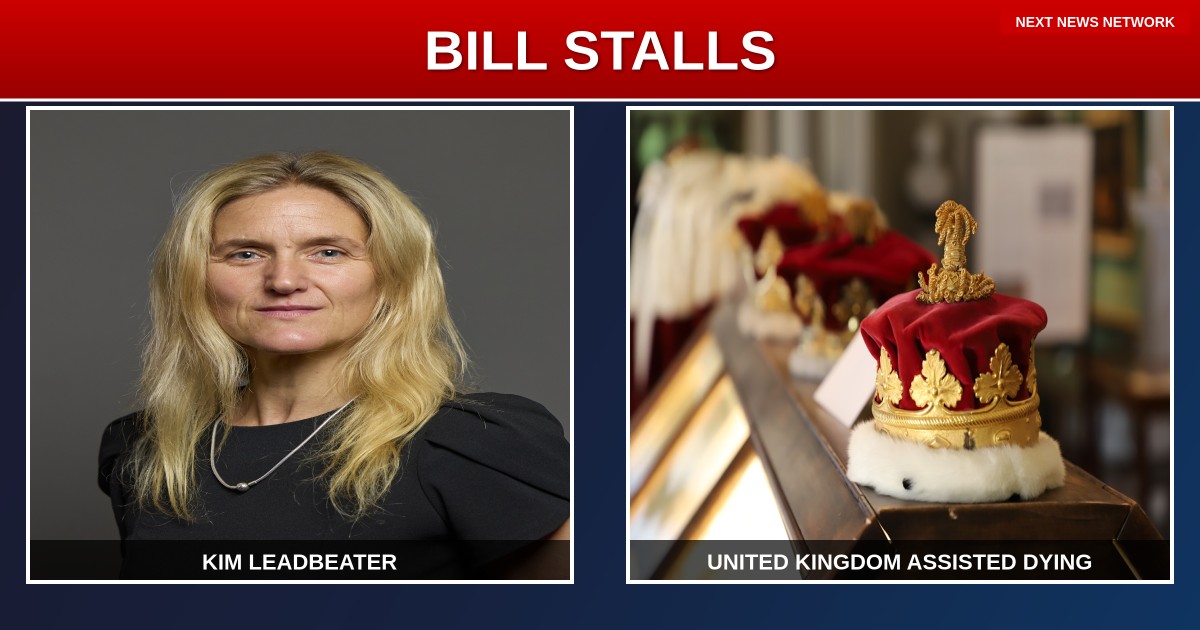
The UK's controversial assisted dying bill is gasping its last breaths, and supporters are throwing a tantrum about it. Labour MP Kim Leadbeater, who introduced the so-called "Terminally Ill Adults (End of Life) Bill," is now crying "undemocratic" as her legislation faces insurmountable delays in the House of Lords.
According to reports, the bill has effectively stalled, with both supporters and opponents acknowledging it won't pass before the current parliamentary session ends in May. That's music to the ears of anyone who believes in the sanctity of life and protecting society's most vulnerable.
What's particularly rich is Leadbeater's complaint about "undemocratic" delays. As one social media user pointed out, "Kim Leadbeater, whose private members bill has unprecedentedly been given hundreds of hours of parliamentary time says that the delays to the assisted dying debate in the House of Lords is 'undemocratic.'" Meanwhile, other important discussions – like Kathleen Stock's new book "Do Not Go Gentle" – get a measly 90 minutes.
"Assisted dying legislation in the UK has effectively stalled, with both supporters and opponents acknowledging it will not pass before the current parliamentary session ends in May,"
The irony is thick here, folks. Leadbeater's bill sailed through the House of Commons last June, but now that it's facing proper scrutiny in the Lords, suddenly the democratic process is the problem? That's not how democracy works – that's exactly how it's supposed to work.
Critics are rightfully concerned about the slippery slope this legislation represents. As one medical professional warned on social media, we need to "beware how the Terminally Ill Adults (End of Life) Bill could be applied to such cases" beyond its stated scope, referencing concerning developments in Spain.
The fact that this bill is dying a slow death in Parliament should give Americans pause about similar pushes here at home. When bureaucrats and politicians start deciding who's worthy of life, we're heading down a dangerous path that history has shown us before.
Sometimes the best thing government can do is nothing at all – and in this case, the UK Parliament's inaction might just save lives.
