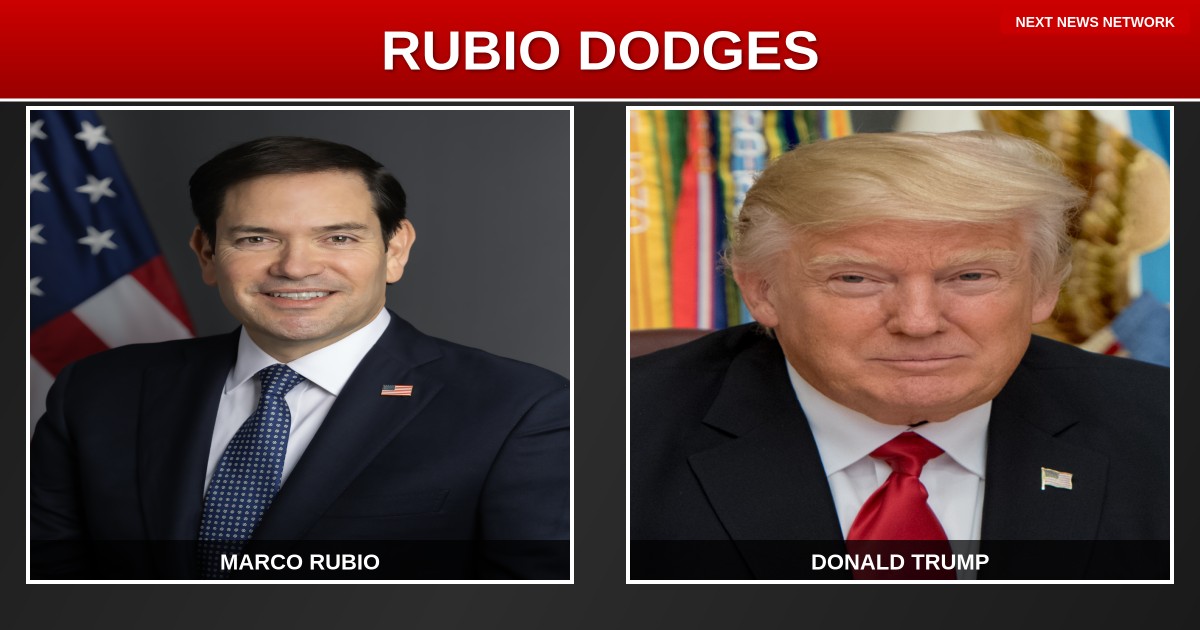
Secretary of State Marco Rubio is facing mounting pressure from both international allies and concerned Americans after repeatedly dodging direct questions about President Trump's recent comments regarding a "new" regime in Iran. The lack of clarity is raising serious questions about the administration's Middle East strategy as tensions escalate in the region.
Social media erupted over Rubio's evasive responses, with financial analyst @_deepvalue_ pointing out the dangerous ambiguity: "Rubio won't clarify what Trump means by a 'new' regime in Iran, dodging the question directly when pressed. That ambiguity matters. Whether Trump is talking regime change, a negotiated government overhaul, or something else entirely has massive implications for oil markets."
The confusion isn't just domestic. At last week's G7 meeting, foreign ministers from allied nations pressed Rubio for answers about Washington's Iran plans, particularly as fears mount over the economic fallout from the ongoing closure of the Strait of Hormuz. Nearly a month into what some are calling a Middle East war, America's closest allies are being left in the dark about our strategic intentions.
News alerts tracking the situation noted Rubio's continued refusal to provide specifics, with @GenAlerts reporting: "Marco Rubio declines to clarify who Trump is referring to with his mention of a 'new' regime in Iran."
This messaging confusion comes at a critical time when clarity and strong leadership are essential. While President Trump has always been a master of strategic ambiguity in negotiations, the current situation demands clear communication to both allies and adversaries about America's position.
Where's the Clear Strategy?
Patriots deserve to know what their government's plan is for one of the most volatile regions in the world. With oil markets in turmoil and international allies pressing for answers, Secretary Rubio needs to step up and provide the clarity that only strong American leadership can deliver.
The question remains: Is this strategic ambiguity part of a larger plan, or is the administration still formulating its approach to Iran? Either way, the American people and our allies deserve answers.