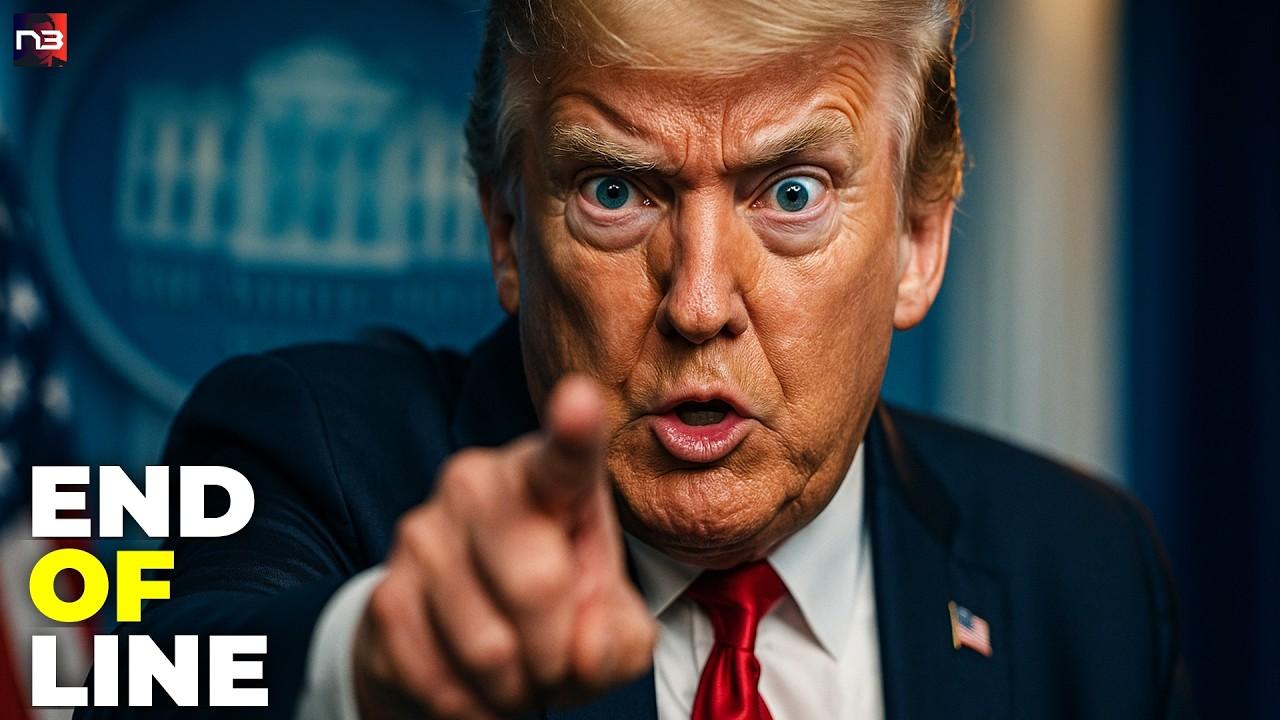
President Donald Trump has done what no American leader has dared to do in decades—he looked our so-called "allies" dead in the eye and told them the gravy train is over.
In a stunning address from the White House that sent shockwaves through diplomatic circles worldwide, Trump unleashed a blistering critique of nations that have grown fat and comfortable under the protective umbrella of American military might and economic generosity. NATO, South Korea, Japan, Australia—none were spared from the President's righteous call for accountability.
And frankly, Patriots, it's about time.
The Freeloaders Get Called Out
For generations, American taxpayers have footed the bill for global security while our "partners" invested in their own social programs and infrastructure. Trump isn't having it anymore. The President specifically targeted NATO members who continue to fall woefully short of their defense spending commitments while expecting American sons and daughters to stand ready to defend their borders.
South Korea and Japan, longtime cornerstones of our Pacific strategy, were put on notice as well. With North Korea rattling sabers and China expanding its influence daily, these nations have enjoyed American protection without paying their fair share. Trump's message was crystal clear: step up or face the consequences of a reassessed relationship.
Even Australia, often considered one of our closest allies, found itself in the crosshairs as Trump questioned the fundamental fairness of our economic arrangements.
Kim Jong-un and Iran: The Art of Unpredictability
In typical Trump fashion, the President also touched on North Korea's Kim Jong-un, demonstrating the kind of diplomatic unpredictability that keeps America's adversaries guessing. While the legacy media clutches their pearls, Trump supporters understand that strength—not appeasement—is the only language dictators understand.
On Iran, Trump signaled a readiness to take decisive action that could reshape the entire Middle East. After years of the Biden administration's weakness and failed diplomacy, the adults are back in charge.
What This Means for America
Critics—mostly the same establishment types who got us into this mess—are already howling that Trump's approach will "isolate" America. These are the same globalists who watched American manufacturing jobs disappear overseas while patting themselves on the back for "international cooperation."
Here's the truth they don't want you to hear: A transactional approach to foreign policy isn't radical—it's common sense. Every other nation on Earth puts its own interests first. Why shouldn't America?
The President's supporters see this moment for what it truly is: a long-overdue correction after decades of unfair trade deals, lopsided defense arrangements, and American generosity being exploited by nations who smile at summits while laughing at us behind closed doors.
"This pivot may lead to wider global strategic realignments"—and that's exactly the point.
If our allies want to seek "alternative partnerships," as some critics warn, let them try. Let them see how well they fare without American protection and access to American markets. Something tells me they'll come back to the table with a very different attitude.
The Bottom Line
The global political landscape stands at a crossroads, and President Trump is holding the map. This isn't about abandoning alliances—it's about demanding respect and reciprocity that America has earned ten times over.
The question every American should be asking isn't whether Trump is being too harsh on our allies. It's this: Why did it take this long for a President to finally put America First?
The world order just shifted, folks. And for the first time in a long time, it shifted in our favor.