
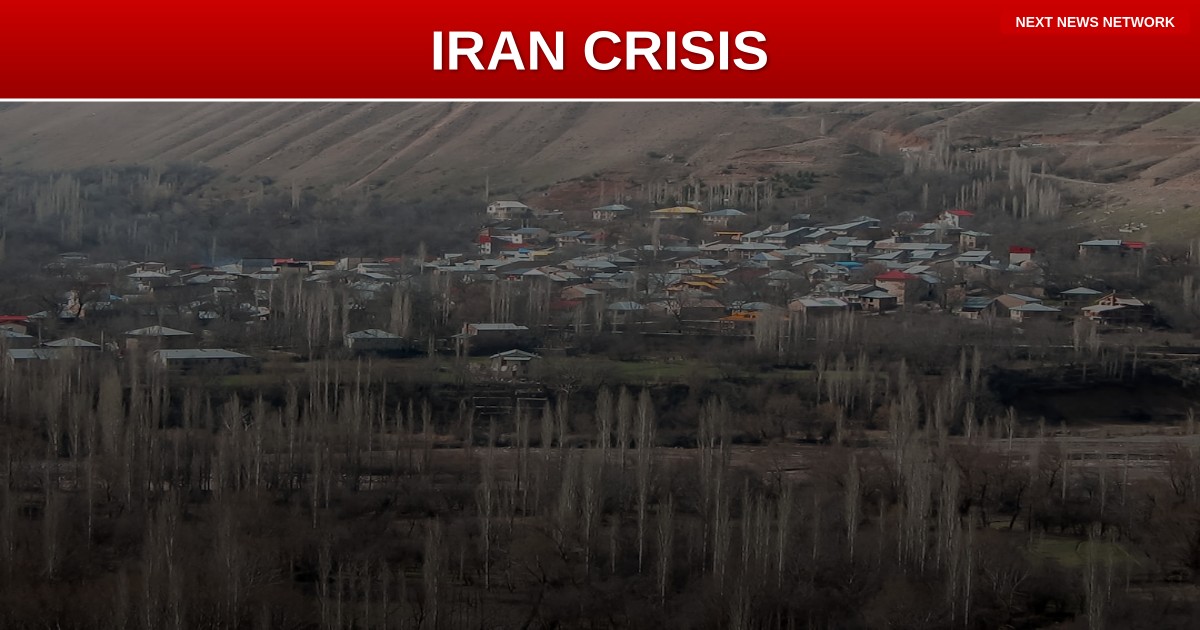
The White House issued urgent denials Tuesday afternoon as chaos erupted across social media platforms over conflicting reports about Iran's actions in the strategically vital Strait of Hormuz, with some users claiming the waterway has been blocked while others spread unsubstantiated rumors about potential nuclear responses.
According to PJ Media, the White House officially stated at 3:31 p.m. Eastern that "reports that the Strait of Hormuz is blocked are false," attempting to quash growing speculation that Iran had taken aggressive action to shut down the critical oil shipping lane.
But social media users aren't buying the official line. Twitter user @Allatsea2506 fired back at the White House directly, posting: "Whether your president likes it or not the Straits of Hormuz are CLOSED by the Iranians who are demanding payments." The same user also referenced unrelated reports about Trump allegedly considering withdrawing from NATO.
Even more concerning, wild speculation about nuclear weapons began spreading like wildfire across social platforms. @worldwaveindex tweeted: "White House denies reports claiming it's considering using nuclear weapons on Iran," while @dailysunbd posted similar claims about the administration supposedly planning a "nuclear attack on Iran after Trump's threat."
Information War or Real Crisis?
What's really happening here? The Trump administration's strong stance against Iran's regime has clearly rattled the mullahs in Tehran, but the fog of war - or in this case, the fog of social media - is making it nearly impossible for Americans to get straight answers.
The Strait of Hormuz handles roughly 20% of the world's oil traffic, making any disruption there a potential economic catastrophe. Iran has repeatedly threatened to close the waterway during times of tension, using it as leverage against Western sanctions.
Patriots deserve to know: Is this another case of fake news running wild on social media, or is the White House downplaying a genuine crisis? With Trump's America First energy policies reducing our dependence on Middle Eastern oil, we're in a stronger position than ever to call Iran's bluff - but only if we know what's really happening.
Americans are watching closely to see how the Trump-Vance administration handles what could be Iran's latest provocation against our interests in the region.
