
For years, China has been playing the long game in Latin America, quietly buying influence through infrastructure projects, business investments, and economic partnerships while America looked the other way. But under President Trump's second term, that dangerous trend is finally getting the attention—and pushback—it deserves.
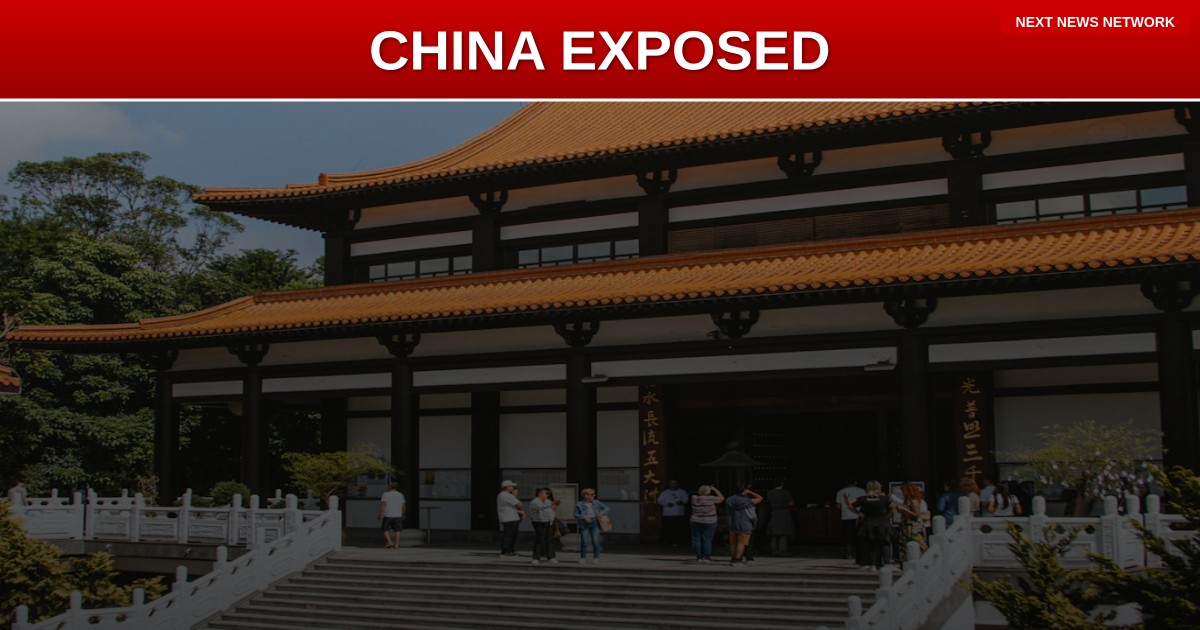
A recent road trip through Costa Rica perfectly illustrates how deeply Chinese businesses have penetrated Central American markets. When locals start asking about Chinese presence in American cities, you know Beijing's influence has reached concerning levels in regions that should be firmly within America's sphere of influence.
This isn't just about gas stations and small businesses, Patriots. China's Belt and Road Initiative has been systematically targeting Latin American countries with debt-trap diplomacy, offering massive infrastructure loans that these nations can't repay, ultimately giving Beijing leverage over critical ports, railways, and communication networks just miles from our southern border.
Trump Administration Takes Action
Unlike the previous administration's weak response to Chinese expansion, President Trump and Secretary of State Marco Rubio are taking decisive action to counter Beijing's influence operations. The America First trade policy and renewed focus on hemisphere security are already sending clear signals to both our Latin American neighbors and Chinese operators.
"We're not going to let China turn our backyard into their playground while American interests get pushed aside,"a senior administration official told reporters last week.
Under Trump's leadership, we're seeing renewed American engagement with traditional allies like Colombia and Brazil, offering genuine partnerships instead of China's predatory lending schemes that trap developing nations in cycles of debt and dependence.
The contrast couldn't be clearer: while China builds influence through economic coercion, America offers real prosperity through fair trade and mutual respect. President Trump understands that securing our hemisphere isn't just about border walls—it's about ensuring our neighbors see America, not China, as their natural partner.
With the Trump-Vance administration prioritizing Western Hemisphere security, Beijing's decades-long infiltration of Latin America is finally meeting serious resistance. The question now is whether it's too late to undo the damage, or if American leadership can still reclaim our traditional influence in the region.
