
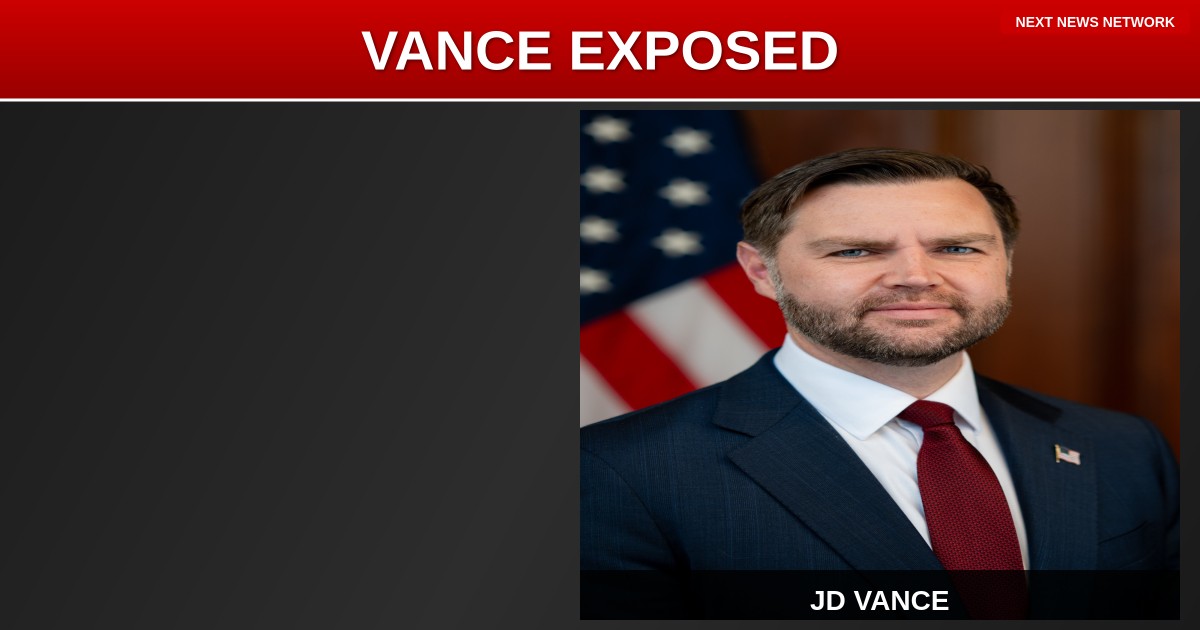
The 2028 presidential race is already heating up behind the scenes, and savvy Republican challengers have identified Vice President JD Vance's biggest vulnerability: his inevitable entanglement in the messy political battles of the Trump administration.
According to political insiders, ambitious GOP figures eyeing the White House are employing a brilliant strategy—staying completely silent during internal MAGA disputes and conservative movement disagreements. Why? Because silence is golden when it comes to preserving relationships across all factions of the Republican Party.
The Smart Money Strategy
While Vance, as sitting Vice President, must navigate the treacherous waters of administration politics and take positions that inevitably create winners and losers within the conservative movement, his potential 2028 rivals are sitting pretty on the sidelines.
"The nice thing about staying silent in the MAGA civil war: Your hands are clean because you didn't pick sides. No animosity; no bad blood," notes political analyst sources. "Therefore, the warring factions all think/hope you're secretly with them."
This strategic silence allows potential candidates like Ron DeSantis, Vivek Ramaswamy, and other rising GOP stars to remain above the fray while Vance gets his hands dirty with the day-to-day political combat that comes with being Trump's right-hand man.
Party Unity Gold Mine
The real genius of this approach becomes clear when considering 2026 midterms and the 2028 primary season. These silent players will be able to credibly claim they can "unify the party" because they avoided taking sides in controversial internal battles.
Meanwhile, Vance will have a paper trail of positions, endorsements, and political fights that could alienate various GOP constituencies—from establishment Republicans to hardcore MAGA loyalists to libertarian-leaning conservatives.
Patriots should watch this dynamic carefully. While President Trump continues his America First agenda with Vance's support, the next generation of Republican leaders is already positioning for the post-Trump era. The question remains: Will Vance's experience as VP be an asset, or will his political baggage prove too heavy for 2028?
