
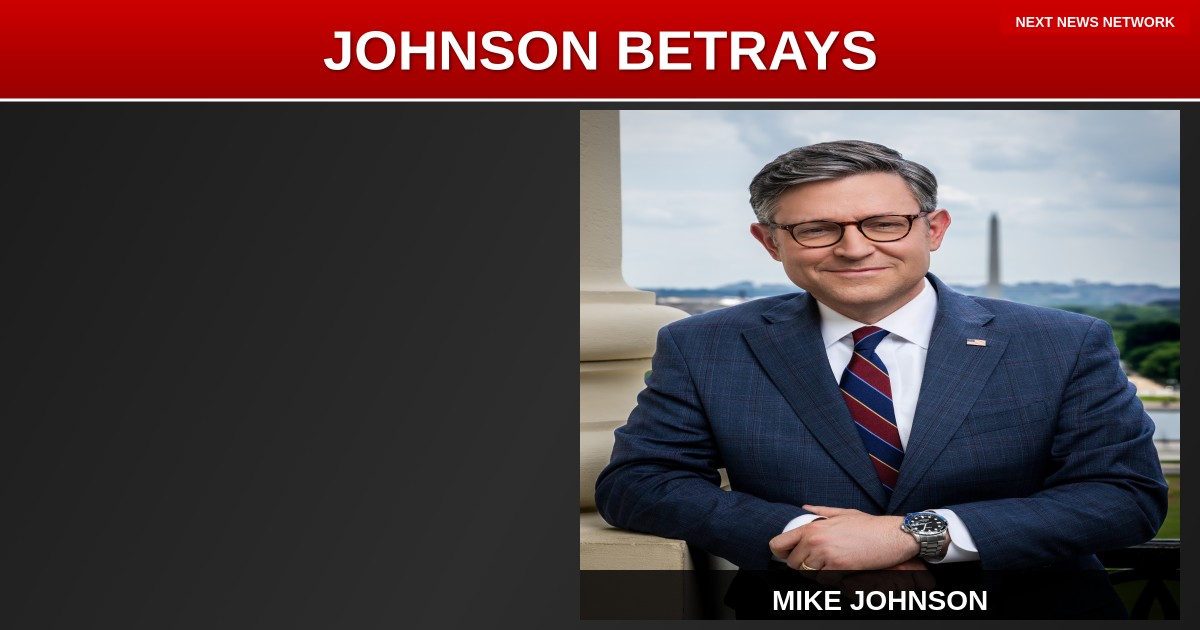
House Speaker Mike Johnson (R-LA) is steamrolling conservative concerns about government surveillance, announcing he will block all amendments to a controversial spy law extension that civil liberties advocates warn gives the Deep State dangerous powers to monitor American citizens.
Section 702 of the Foreign Intelligence Surveillance Act (FISA), which allows intelligence agencies to collect communications of foreign targets abroad, is set to expire in April. But Johnson wants a "clean" extension with zero reforms - the same playbook establishment Republicans have used for decades to expand government power while claiming to fight for constitutional rights.
This is the same surveillance authority that the FBI has repeatedly abused to spy on American citizens, including Trump campaign officials during the Russia hoax. Remember Carter Page? Remember the bogus FISA warrants? Apparently Johnson doesn't.
Where's the Reform We Were Promised?
Privacy advocates from across the political spectrum have demanded basic safeguards, including warrant requirements before searching American communications caught up in foreign surveillance. These aren't radical proposals - they're common-sense protections that any constitutionalist should support.
But Johnson is worried that any changes might "derail" the renewal. Translation: he's more concerned about keeping the intelligence community happy than protecting the Fourth Amendment rights of the Americans who elected him.
"This is exactly the kind of establishment thinking that got us into this surveillance mess in the first place," one House conservative told reporters. "We were sent here to drain the swamp, not feed it."
President Trump, who was himself targeted by FISA abuse, has previously called for major reforms to prevent future weaponization against political opponents. Will Johnson listen to his own president, or will he cave to pressure from the same agencies that tried to take Trump down?
The Swamp Fights Back
This fight exposes the real battle in Washington: constitutional conservatives versus the administrative state and its Republican enablers. Johnson had the chance to demand real accountability and transparency. Instead, he's choosing the path of least resistance.
Americans deserve leaders who will fight for their privacy rights, not hand the Deep State another blank check. The question is: will enough House conservatives stand up to Johnson's steamroller, or will the surveillance state win again?
