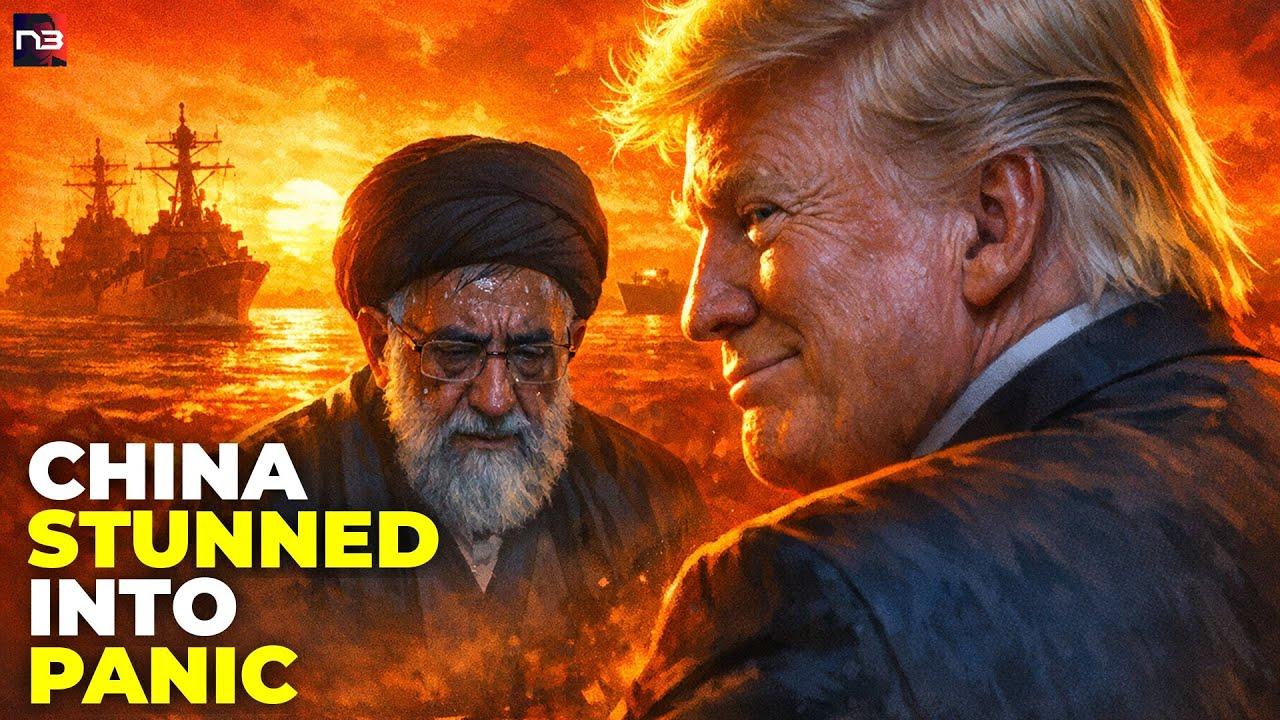
Iran is bleeding out — and President Donald Trump is holding the tourniquet.
The Iranian regime is now hemorrhaging a jaw-dropping $400 million every single day thanks to President Trump's bold naval blockade of the Strait of Hormuz, one of the most strategically critical waterways on the planet. The mullahs in Tehran are scrambling, their coffers draining faster than they can count, and there's not a thing they can do about it.
This is what America First foreign policy looks like, folks. No endless wars. No nation-building. Just pure, strategic dominance that brings our enemies to heel without putting boots on the ground.
The Chokehold That's Breaking Tehran
The Strait of Hormuz was once Iran's golden goose — the crucial passage through which their oil exports flowed to hungry buyers around the world. Now? It's become a financial black hole for the regime, thanks to American warships patrolling those waters with unquestioned authority.
President Trump isn't playing games. When an Iranian surveillance drone got too close for comfort, it was promptly destroyed. The message was crystal clear: the United States will not back down, and Iran's hollow military threats mean absolutely nothing when faced with American naval superiority.
Remember when the so-called "experts" and the legacy media told us that confronting Iran would lead to World War III? That Trump was being "reckless" and "dangerous"? Where are those critics now? American ships are patrolling the Strait unchallenged while Iran's economy collapses from within.
China Is Watching — And Sweating
The implications extend far beyond the Persian Gulf. Beijing is watching this situation with growing anxiety, and they should be. China has massive interests in Iranian oil, and the Trump administration's stranglehold on the Strait sends an unmistakable message to every adversary around the globe: American strategic reach is unmatched, and we're not afraid to use it.
This is the kind of leverage that translates directly to the negotiating table — whether we're talking about trade deals, nuclear agreements, or regional stability. When your enemies know you mean business, diplomacy suddenly becomes a lot more productive.
A New Power Dynamic in the Middle East
The blockade represents a seismic shift in Middle Eastern geopolitics. As Iran struggles to keep the lights on, other nations in the region are rapidly reevaluating their positions and alliances. The regime's expansionist ambitions — funding Hezbollah, Hamas, the Houthis, and other terrorist proxies — are being starved of the cash that fueled them.
Global oil markets are adjusting. American allies are breathing easier. And Iran's so-called "revolutionary" government is learning a painful lesson about the costs of defying the United States.
Compare this to the disastrous Obama-Biden approach of shipping pallets of cash to Tehran and begging for a nuclear deal that Iran never intended to honor. President Trump took a different path — one that puts American interests first and actually delivers results.
The Bottom Line
Patriots, this is exactly what we voted for. A president who understands that peace comes through strength, not appeasement. A commander-in-chief who uses American power strategically to protect our interests and cripple our enemies without sacrificing American lives in another endless Middle Eastern conflict.
Iran's financial collapse should serve as a warning to every regime that thinks they can threaten American interests and get away with it. The adults are back in charge, and the world is taking notice.
The question now is simple: How long can the mullahs hold on before their own people have had enough?