
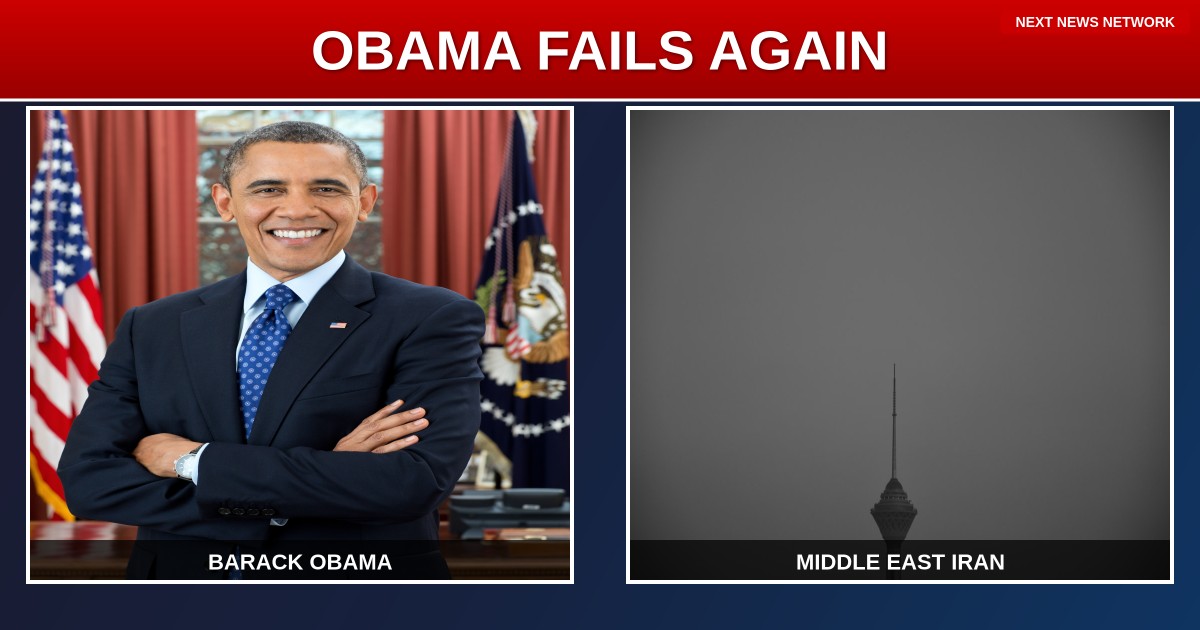
While the Trump administration's renewed 'maximum pressure' campaign against Iran's terrorist regime delivers results across the Middle East, Democrats are embarrassingly stuck parroting the same failed talking points they've been using since Obama's disastrous Iran nuclear deal.
The disconnect couldn't be more glaring. As Iran's economy crumbles under Trump's restored sanctions and their proxy networks face systematic dismantling, leading Democrats continue pushing the same tired narrative that 'diplomacy and engagement' will somehow transform the world's leading state sponsor of terrorism into a responsible actor.
Reality Check: Iran Is Weaker Than Ever
Here's what Democrats refuse to acknowledge: Iran's military capabilities have been severely degraded, their currency is in free fall, and their ability to fund terrorist proxies from Hamas to Hezbollah has been dramatically reduced since Trump took office again.
Yet just last week, Senate Minority Leader Chuck Schumer was still calling for a 'return to diplomatic solutions' – apparently unaware that Trump's approach is actually working.
'These Democrats are fighting yesterday's war with yesterday's talking points,' said one senior administration official. 'They're so invested in defending Obama's legacy that they can't see the new realities President Trump has created.'
The contrast is stark. While Trump and his team adapt their strategy based on real-time intelligence and changing conditions on the ground, Democrats seem frozen in 2015, still defending a nuclear deal that even European allies now admit was fundamentally flawed.
The Cost of Outdated Thinking
This isn't just political theater – it's dangerous. When ranking Democrats undermine successful pressure campaigns with calls for premature engagement, they signal to Iran that America lacks resolve. That's exactly the kind of mixed messaging that emboldened Tehran during the Obama years.
Patriots across America are watching this pathetic display and asking the obvious question: If Democrats can't even update their Iran policy to match current realities, how can they be trusted to protect American interests anywhere else?
