
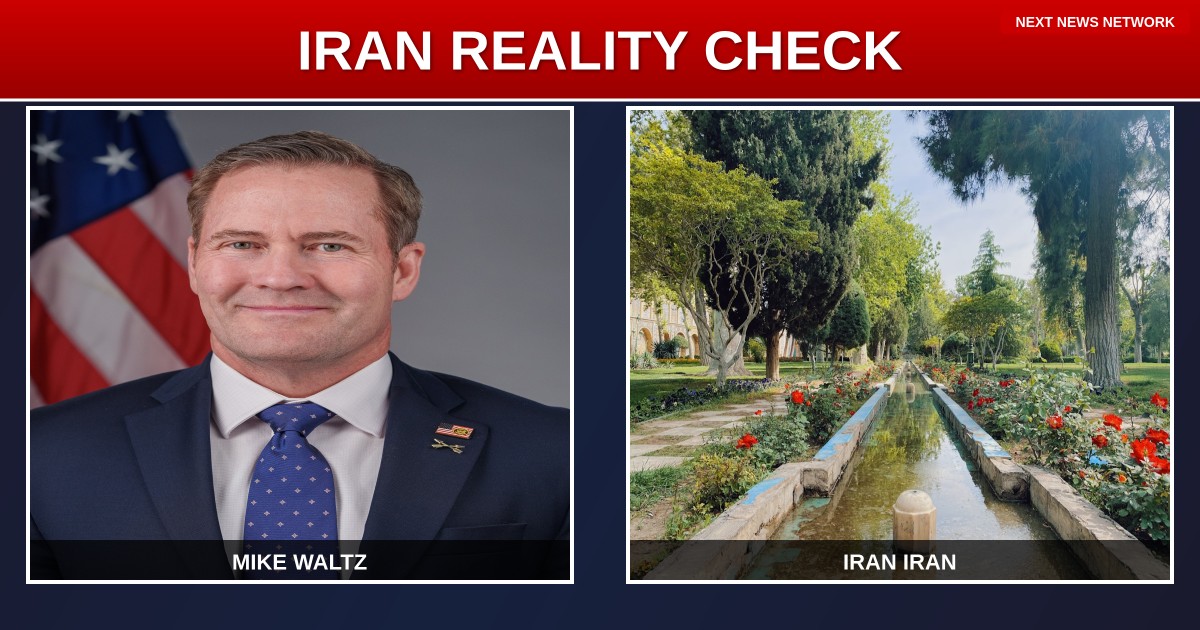
National Security Advisor Mike Waltz delivered a crucial assessment of the Trump administration's Iran strategy Tuesday, revealing that while Tehran harbors dangerous radical elements, the administration believes it can work with "rational actors" within Iran's power structure who are constrained by the Ayatollah regime.
Speaking on Fox News Channel's "America Reports," Waltz outlined the complex reality facing Trump's foreign policy team as they navigate Iran's internal power dynamics. "Iran has radical actors... who solely exist to export the revolution," Waltz explained, acknowledging the threat posed by hardline elements within the Iranian regime.
But here's where Trump's sophisticated approach differs from previous administrations: "We do think we're dealing with some rational actors" who "have to deal with the Ayatollahs," Waltz continued, suggesting the administration recognizes pragmatic voices within Iran's government who may be open to diplomatic engagement.
This nuanced strategy represents classic Trump dealmaking—identifying the players who can actually negotiate while maintaining strength against those who can't. Unlike the Obama administration's disastrous Iran nuclear deal that enriched the regime, or Biden's weak appeasement approach, Trump 2.0 appears focused on driving wedges between Iran's rational actors and its revolutionary extremists.
The timing of these comments is significant, coming as Trump rebuilds American strength in the Middle East after four years of Biden's failures. Iran's economy remains crippled by sanctions, their proxy networks are under pressure, and their nuclear program faces renewed scrutiny under Trump's maximum pressure campaign.
Waltz's remarks suggest the administration may be preparing a carrot-and-stick approach: devastating consequences for Iran's radical elements and terror proxies, while leaving room for engagement with pragmatic voices who recognize that Iran's current path leads nowhere good for their people.
This is exactly the kind of strategic thinking America needs—recognizing enemies while exploiting their internal contradictions. Iran's rational actors know their country is heading toward economic collapse and regional isolation. The question is whether Trump's pressure campaign will empower them to finally challenge the Ayatollahs' destructive reign.
Will Iran's pragmatists finally stand up to the radical exporters of revolution, or will the Ayatollahs' grip prove too strong to break?
