
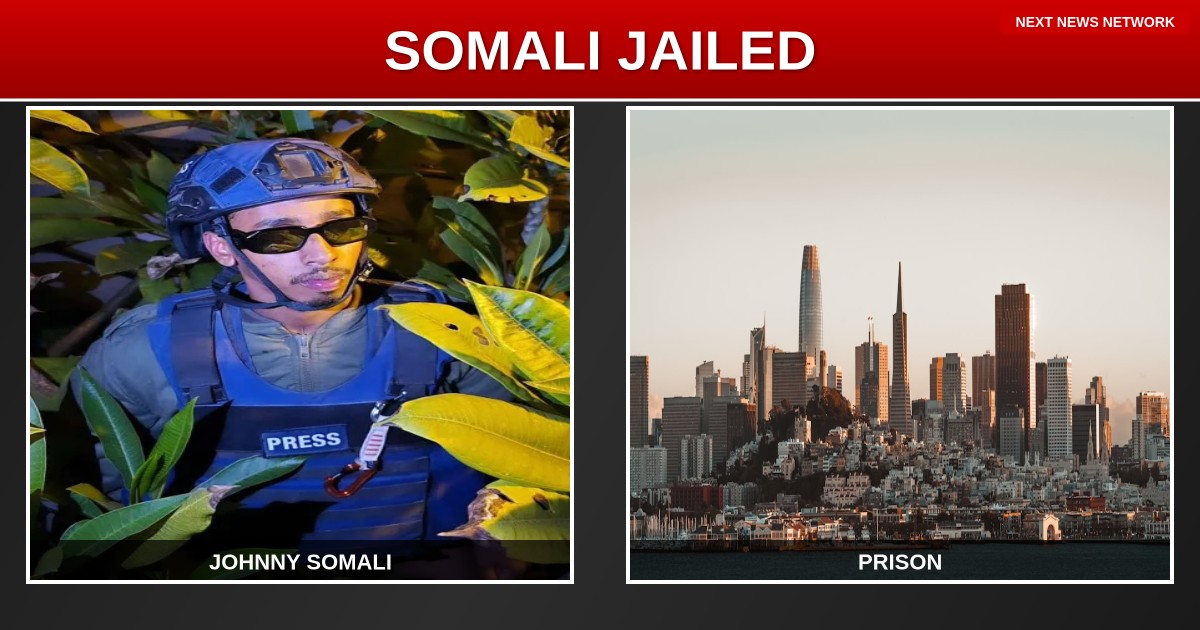
An American livestreamer who made millions of people furious with his disrespectful antics overseas finally got what was coming to him. Ramsey Khalid Ismael, better known online as 'Johnny Somali,' was sentenced to six months in prison by a Seoul court on Wednesday after his provocative stunts sparked nationwide outrage in South Korea.
The court didn't mince words about Ismael's behavior, stating that 'the defendant repeatedly committed crimes against unspecified members of the public to generate profit via YouTube.' This punk thought he could cash in on disrespecting an entire culture - and he was dead wrong.
When Social Media Trolling Goes Too Far
Johnny Somali's reign of stupidity included livestreaming a series of provocative stunts that crossed every line of basic human decency. While the details of his specific actions weren't fully outlined in court documents, his behavior was so egregious that it united an entire nation in disgust.
This case perfectly illustrates what happens when American degenerates think they can export their toxic behavior to countries that actually have standards. South Korea doesn't play games when it comes to respecting their culture and people - unlike the anything-goes mentality that's infected our own social media landscape.
'The defendant repeatedly committed crimes against unspecified members of the public to generate profit via YouTube.'
A Lesson in Consequences
While American Big Tech platforms continue to reward outrageous behavior with monetization and viral fame, other countries aren't afraid to hold people accountable for their actions. South Korea just showed the world what real justice looks like when someone thinks they can profit off disrespecting an entire nation.
Maybe this will serve as a wake-up call to other social media parasites who think they can travel the world causing chaos for clicks and cash. Actions have consequences, and not every country is going to coddle these attention-seeking troublemakers.
Do you think American courts should start taking social media disruption and public nuisance more seriously, or should we let other countries handle our exported problems?
