
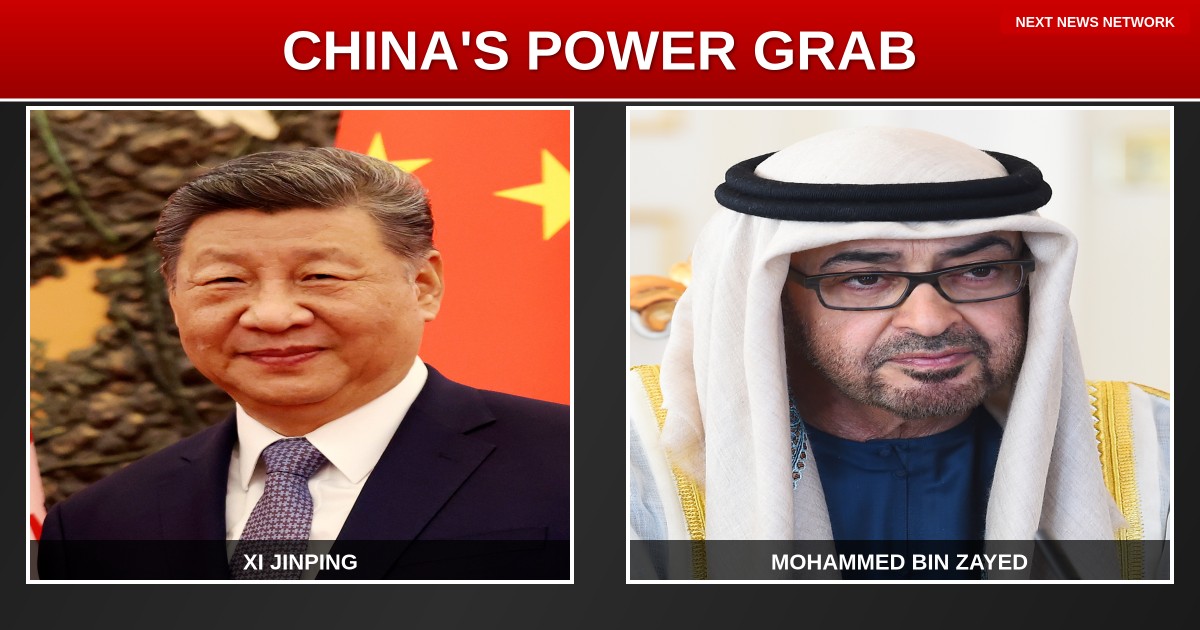
Chinese Communist Party leader Xi Jinping welcomed United Arab Emirates Crown Prince Mohammed bin Zayed this week, presenting what Beijing called a "four-point proposal on promoting peace and stability in the Middle East" – but patriots know this is nothing more than China's latest power grab in the strategically vital region.
The high-profile meeting comes as the communist regime in Beijing desperately scrambles to maintain relevance in Middle Eastern affairs while President Trump's America First policies have strengthened U.S. partnerships with key allies like Israel and the Gulf states.
China's Desperate Middle East Gambit
Xi's so-called "peace proposal" is classic Chinese propaganda designed to mask the regime's true intentions: undermining American influence and expanding Beijing's authoritarian reach into one of the world's most important regions. The timing isn't coincidental – it comes just weeks after President Trump's successful diplomatic initiatives have reinforced America's position as the Middle East's most trusted partner.
"China's sudden interest in Middle East 'peace' has nothing to do with stability and everything to do with challenging American leadership," said one foreign policy expert familiar with the situation.
The UAE, despite its strong ties to the United States, has been courted aggressively by Beijing as part of China's Belt and Road Initiative – a debt-trap diplomacy scheme that has enslaved developing nations across the globe.
Trump's Strong Leadership vs. Chinese Manipulation
While China peddles empty promises and economic colonization, President Trump's administration has delivered real results in the Middle East. The Abraham Accords, negotiated during Trump's first term, created lasting peace between Israel and Arab nations – something decades of failed establishment diplomacy couldn't achieve.
Now, as Trump rebuilds American strength on the world stage, Communist China is working overtime to fill any perceived gaps in U.S. influence. But smart Middle Eastern leaders know the difference between genuine partnership and Chinese manipulation.
Will America's Middle Eastern allies see through Beijing's latest charm offensive, or will they fall for the same empty promises that have trapped so many other nations in China's web of economic dependency?
