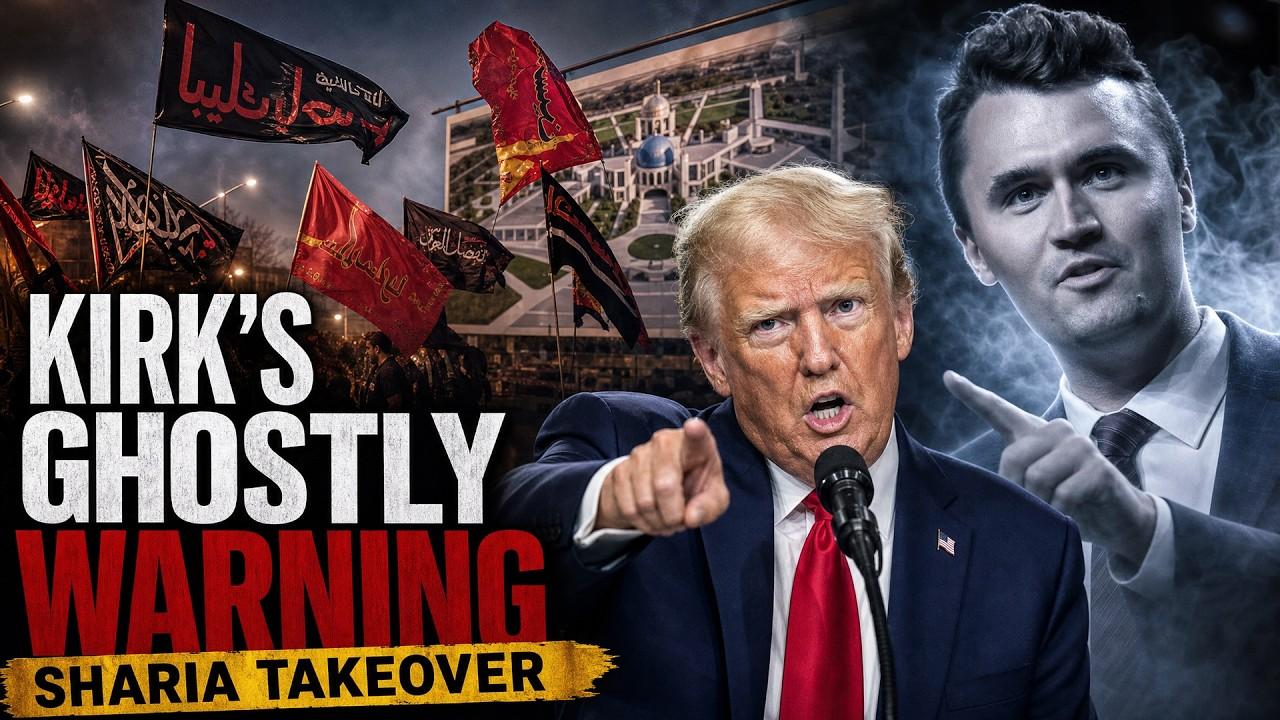
In a decision that has sent shockwaves across Texas and stirred a nationwide debate, the McKinney City Council voted 7-0 to approve a large mosque complex, despite overwhelming public opposition. The decision, made after more than five hours of passionate public testimony, has left America First supporters questioning whether local governments still represent their constituents' voices.
This explosive ruling unfolded amidst packed rooms and emotionally charged testimonies from concerned citizens who warned city officials about the potential long-term consequences for their community. Yet, despite their fervent objections, McKinney's leaders proceeded as if public opinion was mere background noise, leading many to label the vote not just a zoning issue but a fundamental betrayal of trust.
Pattern of Disregard
Footage from McKinney paints a vivid picture of the disconnect between local officials and the citizens they are supposed to serve. Residents, from mothers to small business owners, expressed fears of cultural replacement and questioned why their homes are being transformed without their consent. While the mainstream media may ignore these concerns, one cannot overlook the growing national pattern – from Mooresville to McKinney – of communities feeling sidelined and outmaneuvered by political elites and their agendas.
Setting the Stage for National Conflict
This event in McKinney is not just a local dispute; it presents a microcosm of broader national themes. The intersection of Islam, immigration concerns, and local government decisions is a hotbed of discord, with critics pointing to the Muslim Brotherhood, Sharia law, and alliances with left-wing movements as substantial threats. For years, Republicans like Donald Trump and Ted Cruz have warned about radical Islam draining America, yet establishment voices have too often turned a blind eye.
"Donald Trump warned years ago that radical Islam posed a serious threat, and establishment media ridiculed him for it."
The McKinney mosque vote is a stark reminder of these warnings. Public fears and expressions of concern should not be dismissed as mere phobia but examined for the genuine cultural and safety considerations they entail.
A Broader Struggle for Representation
Americans across the nation are increasingly questioning the priorities of ruling elites who appear more concerned with placating global norms than safeguarding their citizens' desires. The McKinney vote underscores a worrying trend of American institutions ignoring their citizens' outcry until change is irreversible.
This story begs the question: will American voices be continuously sidelined, or will a new era of accountability surface? As the nation watches McKinney, the message is clear – ignoring the people’s voice risks further polarization and unrest. Will officials finally listen to "We the People"?