
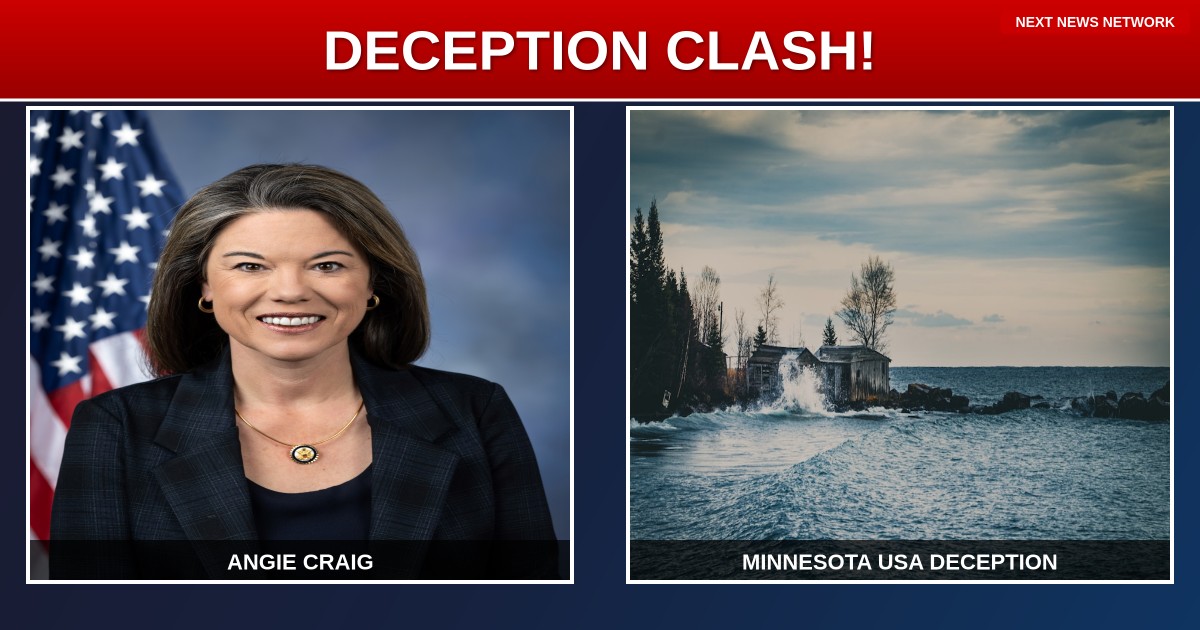
In a stunning revelation that has rocked Minnesota politics, Rep. Angie Craig (D-MN) has openly criticized her fellow Democrat, Lt. Gov. Peggy Flanagan, for alleged deception regarding her ties with the American Israel Public Affairs Committee (AIPAC). Flanagan, who has been running a progressive campaign for the Democratic nomination to the U.S. Senate, allegedly penned an AIPAC position paper despite vowing not to accept corporate PAC money.
Broken Promises or Political Strategy?
The controversy arises as Flanagan, who presents herself as a defender of the grassroots, is found entangled with a powerful lobbying group. Craig, known for her straightforward demeanor, did not hold back in labeling Flanagan's actions as a betrayal of progressive values.
"AIPAC Bought Angie Craig FACES Peggy Flanagan In Minnesota Democratic Pr..." - @kcrich131
This revelation surfaces a broader issue within the Democratic Party regarding transparency and the influence of money in politics. Associate organizations like AIPAC wield significant power, sparking debates on candidates' affiliations and their impact on policy-making.
Social Media Reacts
The response on social media has been swift and divisive. Notably, @mndemsoc remarked, "I agree, basically a toss-up. Craig has been flooding the state with ads paid by AIPAC and health insurance companies to lie about her pro-Trump record." This points to a muddled political battlefield where dark-money influences complicate voter trust.
"We disrupted AIPAC Angie Craig campaign event for her vote to expand ICE surveillance powers after Metro Surge. We need leaders who are going to step up and fight fascists not enable the Gestapo brutalizing and killing our neighbors." - @ClimateDefiance
Craig has found herself in the crosshairs due to her AIPAC association, even as she calls out Flanagan, underscoring the internal conflicts faced by candidates trying to present a progressive image while navigating establishment pressures.
What's Next for Minnesota?
The implications for Minnesotans are significant. As voters learn more about the candidates' corporate affiliations, they face critical decisions that could shape the future of state and national policies. The question remains: Will Minnesotans tolerate these revealed discrepancies, or demand true accountability from their leaders?
As this drama unfolds, patriots must decide—do they align with the deeply-rooted political mechanics, or advocate for voices that might promise genuine change? In such turbulent times, staying informed and engaged is more crucial than ever. Let us know your stance, Americans—what kind of leadership do you want to endorse?
