
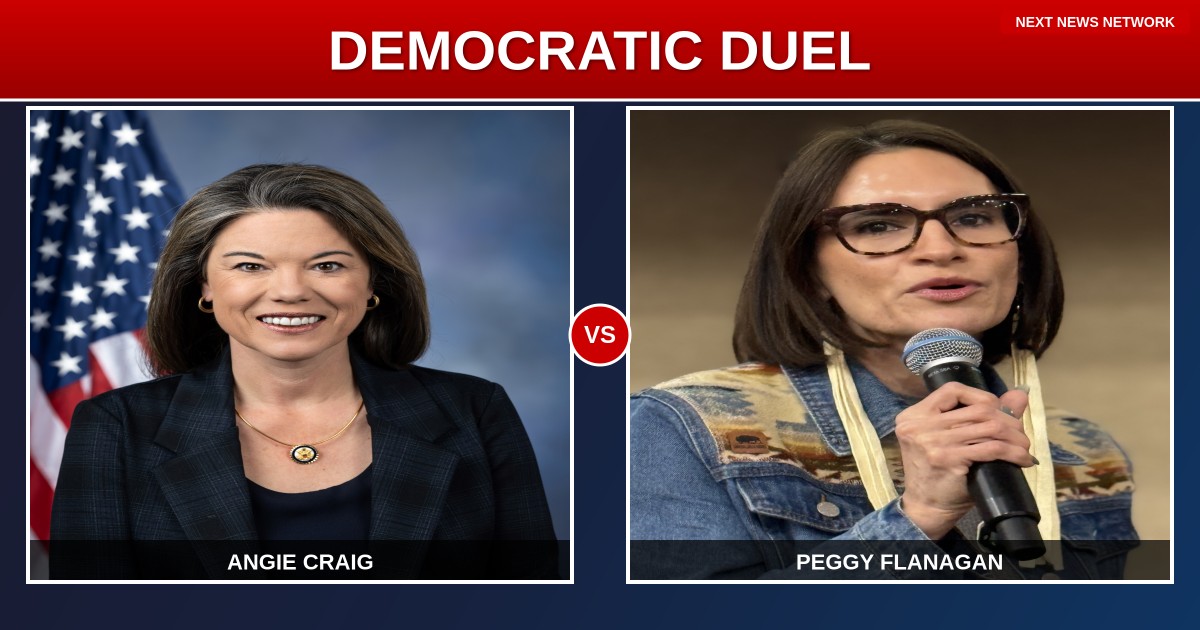
In an era where the Democratic Party is grappling with identity and direction following its resounding losses in the 2024 elections, a pivotal showdown is set to take place in Minnesota. The race to become the next Senate nominee has become a hotbed for ideological conflict, pitting the party’s progressive left against its pragmatic center.
This Tuesday, Representative Angie Craig goes head-to-head with Lieutenant Governor Peggy Flanagan, embodying the widening chasm within the Democratic ranks. With Craig representing the more moderate wing, advocating 'practical solutions' over ideological purity, Flanagan champions a progressive agenda that resonates with the Bernie Sanders and AOC factions. This face-off is not just a local skirmish; it's a national symbol of the Democratic struggle to reconcile its past failures with its future aspirations.
As Democrats prepare to vote, the stakes couldn't be higher. The recent historical context paints a grim picture for the Democratic Party—2024’s devastating defeat, spearheaded by President Trump's resurgence, left liberals scrambling for answers. The old guard insists on a return to moderate policies in a bid for broader appeal, while progressives argue that only a transformative agenda can energize their disillusioned base.
A confidante within Craig’s camp expressed, “Minnesotans deserve a candidate who can actually get things done, not just make grand promises.” On the flip side, a Flanagan supporter is adamant, “Incrementalism is what lost us the White House. It’s time for bold change.”
For everyday Americans watching this drama unfold, an important question looms: Are Democrats set to repeat the mistakes that cost them control, or will they pivot towards a future that aligns with a new vision? The choice Minnesota makes will undoubtedly send shockwaves throughout the Democratic ideology nationwide.
Folks, as America witnesses this internal battle, it's vital to remember the effects of these choices. Who leads the Democrats could define policy stances for years and impact not just Minnesotans but the national discourse. Will the Democrats remain shackled by intra-party conflict, or can they emerge united and revitalized? Those answers may begin to crystallize when the votes are counted.
