
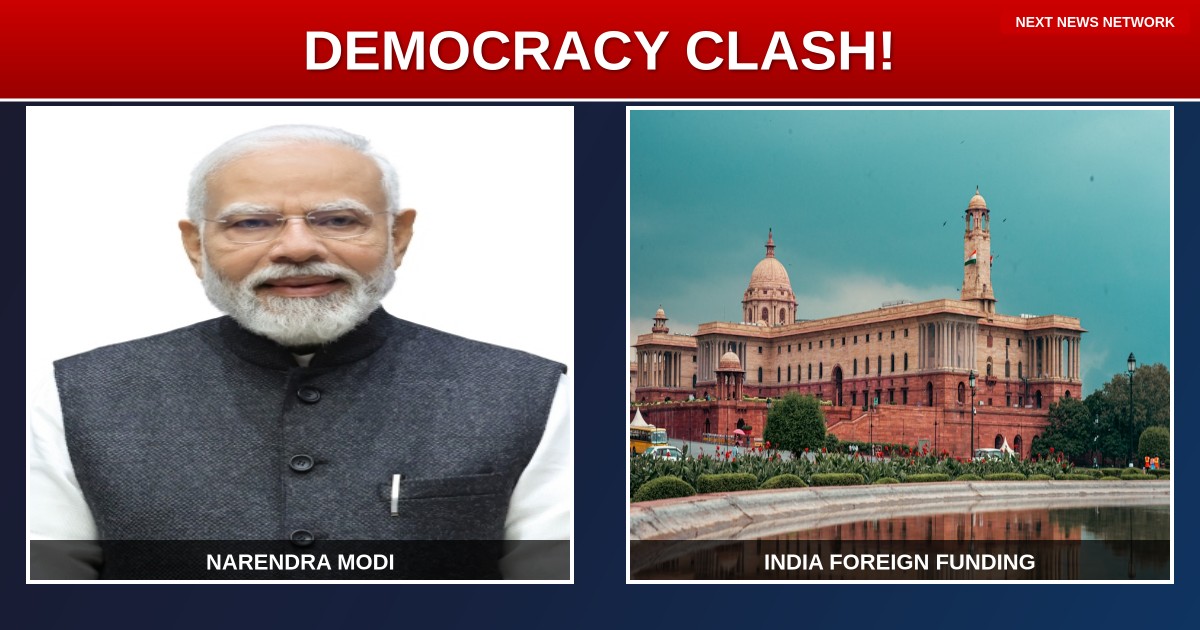
India's 2026 Foreign Contribution (Regulation) Amendment Bill (FCRA) is raising eyebrows across the globe, igniting fierce debates over its implications for democracy and institutional freedom. The bill, which seeks to tighten the noose on how foreign funding is received and utilized by individuals and organizations in India, has sparked questions about state control versus democratic freedom.
The Modi government argues that the amendment is essential to curb foreign influence that could destabilize the nation’s sovereignty. But the crucial question remains: is this a legitimate attempt to protect the nation, or a veiled strategy to silence dissent?
Threat or Protection?
The FCRA has a history of controversy. Critics claim the 2026 amendments further constrict the space for NGOs and civil society, impacting their ability to operate freely. 'This is a direct blow to the democratic discourse in our country,' states an anonymous source close to the operations of a local NGO. Such crackdowns, if unchecked, could be a slippery slope towards authoritarian governance.
Supporters believe it protects national interests. 'Regulating foreign funds ensures that anti-national elements do not meddle in India's internal affairs,' philosophizes Rajesh Kumar, a policy analyst supportive of the bill.
Broader Implications
The implications reach far beyond India's borders. In the US, many see echoes of the struggle against foreign meddling in our own system. President Trump's administration has been a vocal critic of foreign interference, highlighting China and other actors in the international sphere as threats to sovereignty. By scrutinizing such influences, India arguably aligns with America's interests.
Yet, the challenge lies in finding a balance that preserves freedom while safeguarding sovereignty. As patriots, we must ask: are such measures a template for securing liberty, or a forebear of oppression?
What's Next?
Americans should remain vigilant. The discourse surrounding India's FCRA highlights a global trend where nations appear more determined than ever to contest foreign influence. Should we discern lessons from our democratic ally or demand greater transparency ourselves?
The debate is far from over. The way forward requires an unwavering commitment to both peace and freedom. Will India's new law serve as a contribution to democracy or be remembered as a threat? Only time will tell, but we, patriots, must always be ready to defend our liberties from all encroachments.
