
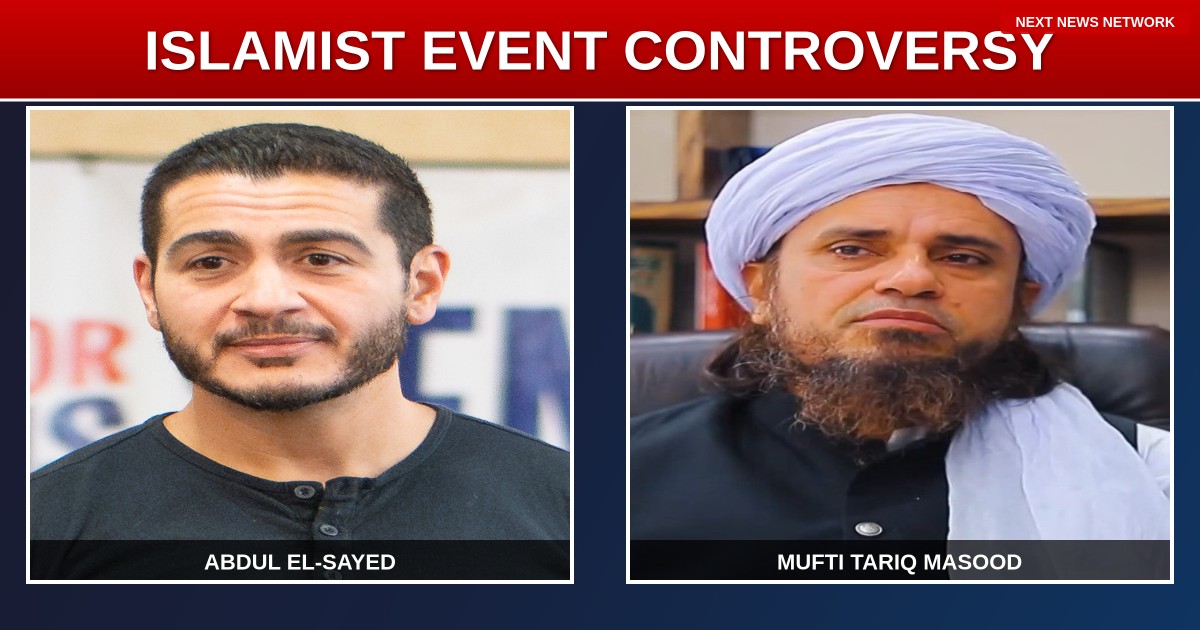
Michigan Senate contender Abdul El-Sayed is sparking major controversy with his upcoming appearance at an event hosted by the Islamic Society of North America (ISNA). This year's event is making headlines not just for its content but for its controversial figures, including Pakistani cleric Mufti Tariq Masood, infamous for enforcing the marriage of his 13-year-old niece.
The decision to attend this event has drawn sharp criticism from a wide array of observers. As @pepesgrandma tweeted, the gathering has not been held in Michigan since 2014, raising questions about the motives behind this location choice and the individuals involved. For a Democratic hopeful, aligning with figures such as Masood highlights an alarming disconnect between El-Sayed's actions and the Democratic Party's professed values of tolerance and progressivism.
On social media, reactions have been swift and critical. @ScrollofTruthIF questioned the left’s apparent double standards, stating, "Does the left's whole guilt by association thing only apply to Republicans? It must be (D) ifferent considering the company Abdul keeps." This sentiment echoes concerns shared by many patriots and conservatives who demand consistency in holding leaders accountable, regardless of their political affiliations.
Critics argue that El-Sayed's participation in the event is a tacit endorsement of extremist ideologies, adding fuel to the fire of those already wary of his ties. @SaltyGoat17 bluntly highlighted the company's unsavory nature, stating, "This is the sort of people El-Sayed associates with. What some will say is 'Their religion supports.'" As El-Sayed walks this controversial path, one must ask how such alliances serve the interests of the everyday Americans he hopes to represent.
In the end, Abdul El-Sayed's decision to speak at an event tied to child marriage advocacy raises a pertinent question for voters: What does he truly stand for? Will the mainstream media play its typical role as gatekeeper, or will this expose drive a more profound reflection on the principles we demand from our elected representatives?
