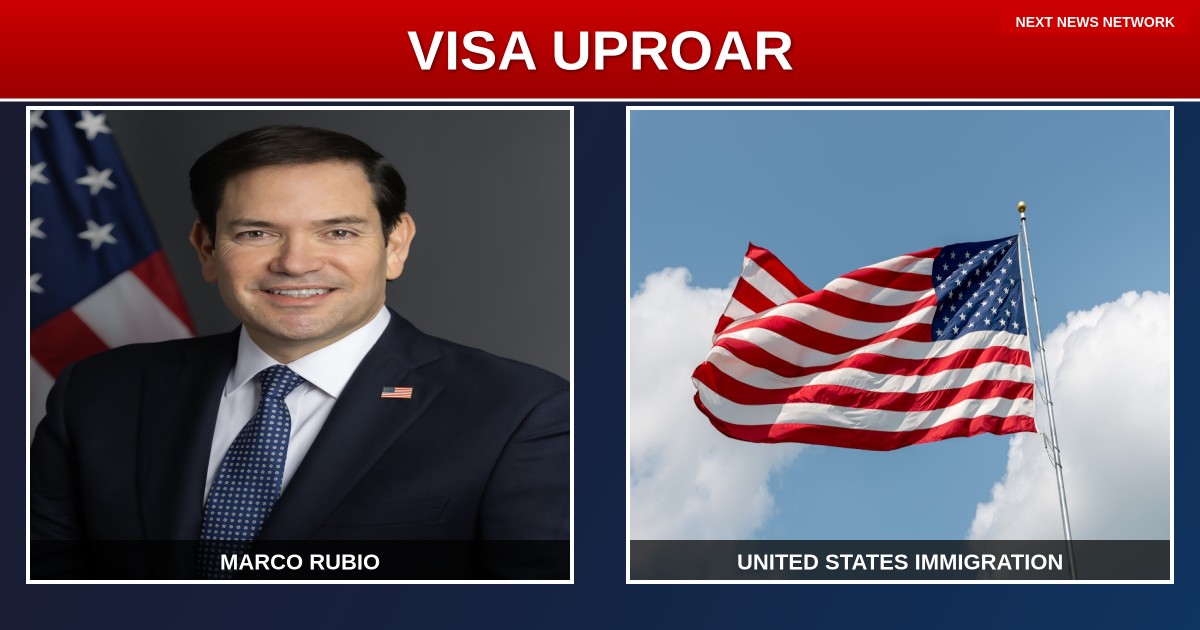
In a stunning move that underscores the Trump administration's 'America First' immigration ethos, Secretary of State Marco Rubio has overseen the revocation of 175,000 visas, dismantling a six-decade-old assumption that entry into the United States is a worldwide right rather than a privilege. Rubio resoundingly declared that hospitality to foreign nationals must not come at the expense of American safety and sovereignty.
This policy shift moves immigration back to its foundational principles, reminding the world: there is no constitutional right to a U.S. visa. As Rubio laid out at a recent press conference, the U.S. will no longer turn a blind eye to those abusing their guest status, closing the door on what he metaphorically torched as a bureaucratic sanctuary for negligence.
Critics of the old visa doctrine point to cases like that of Julissa Salazar, a 19-year-old tragically killed by Varun Bachagari, a visa holder with a prior domestic violence history. Such stories fuel the fervor of this new doctrine, where every revoked visa potentially stops a tragedy.
Addressing Threats and Birthright Tourism
But visa revocations extend beyond criminal backgrounds. Foreign nationals found openly celebrating violent acts on American soil are promptly reminded—our doors are not open to political rot. Rubio's blunt message: had we known your intentions, entry would never have been granted.
With birth tourism syndicates now in the administration’s sights, this crackdown has only just begun. Despite operating openly and leveraging U.S. citizenship for profit, these organizations will soon face the full brunt of Trump’s immigration paradigm. A related Tweet from @mexicotimes highlighted how the visa revocation net is far-reaching, even touching allies, as it reports on the niece of Mexican president AMLO questioning whether her visa's revocation was administratively premeditated.
The Road Ahead
As legacy media continues to downplay these actions, Americans must stay vigilant and hold institutions accountable. Pressure mounts as universities and bureaucrats who facilitated these abuses find themselves exposed. The campaign against unchecked immigration is far from over. With the administration encouraged to dig deeper, the question remains: are we witnessing a transformation in American immigration, or merely a temporary disruption?