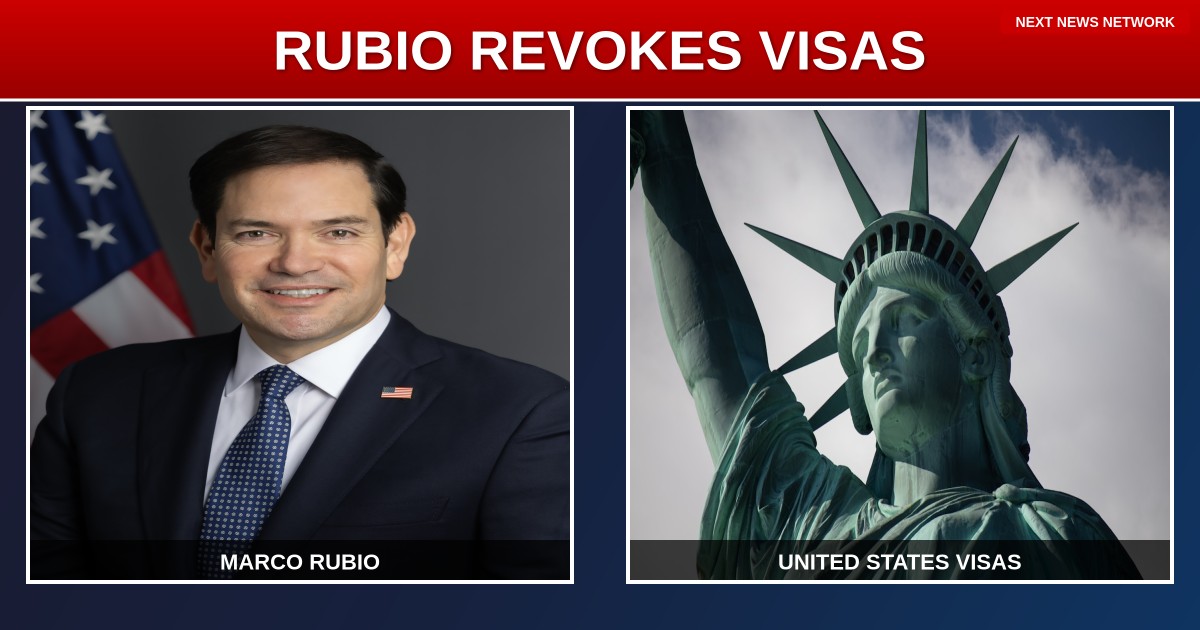
In a bold move reminiscent of his America First principles, Secretary of State Marco Rubio has shaken the status quo by revoking approximately 175,000 visas. This unprecedented action targets individuals who flout the privilege of entry to America, reaffirming that there is no constitutional guarantee to a U.S. visa.
Rubio's decisive statement is not merely administrative; it rips through decades of misguided policies that effectively handed out visas without stringent scrutiny. As he put it, vetting is not an act of cruelty but a fundamental duty to ensure national security. 'There is no constitutional right to a visa,' Rubio staunchly declared, a sentiment echoed across conservative circles.
The tragic case of Julissa Salazar's murder by an individual on a student visa underscores the dire need for Rubio's strict visa policies. Salazar's death is a stark reminder of the potential dangers posed by unchecked visa approvals. Julissa's tragic story, as noted in recent reports, reflects the dire human cost of previous lax policies.
The policy's reach extends beyond individual criminal cases. Rubio has also targeted visas of those publicly applauding violent acts, like the celebration of Charlie Kirk's assassination attempt. His message is direct: if your presence threatens American safety, you're not welcome.
In a tweet by @007tonyc, supporter James Blair highlighted Rubio's firm stance and rapid reaction, emphasizing the administration's commitment to safeguarding Americans. Meanwhile, @ankh2125 discussed Rubio's overhaul at the State Department, eliminating the DEIA framework in favor of merit-based promotions, marking another step towards efficiency and accountability.
Rubio's revocation strategy has further implications. The administration's next target is the rampant birth tourism industry, which exploits American soil for citizenship loopholes. This lucrative scheme remains largely uncontested due to fears of media backlash, but the Trump administration has its sights squarely set on dismantling these operations.
While the 175,000 revoked visas present a formidable down payment in this national security effort, the journey is far from over. It is a call to action for universities and consulates to tighten their oversight and for Americans to demand accountability by questioning who allowed these failures.
As Americans watch the landscape shift, they must ask: Is this the change we need, or merely the beginning of a more extensive overhaul necessary to protect our sovereignty and security? The answers will determine the future of U.S. immigration policy under this administration.