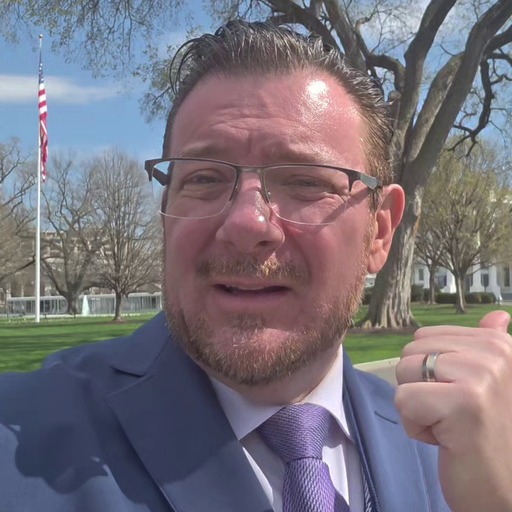

As young Americans struggle to find lasting relationships in a high-tech era, BlazeTV host Nick Freitas throws a spotlight on what he sees as the root cause: dating apps coupled with the pervasive influence of feminism. Freitas argues on Blaze TV that these apps have crafted a 'fake environment' that has seriously altered the dating landscape, positioning men at a disadvantage.
Understanding the Data
According to Freitas, when it comes to dating apps like Tinder, the average match rate for men is a paltry 5.26%. In stark contrast, women boast a 44.4% match rate, an eightfold difference. These numbers back his claim of inequity created within online dating platforms, where a 'swipe culture' seems to be rigged against men. On Hinge, the bias continues as men swipe right on 61% of profiles, demonstrating desperate attempts at connecting, only to find nothing but silence in return.
Social Media Reactions
The frustration of this unfair dynamic finds resonance on social media. Twitter user @kayceekenny1 pointedly states, 'SCAM!' when contrasting how some women apply grace to family men but refuse the same understanding to their partners. In a similar vein, @HzKrypto questions the sudden disappearance of compassion, pondering why financial pressures understood within families fail to translate in the dating world. Tweeting further, @osemike300 labels the situation as 'hypocrisy' when weighing familial understanding against how dating men are often perceived.
Implications for Americans
This revelation has significant implications for American men attempting to navigate a dating scene that feels increasingly hostile. Questions arise about whether these platforms truly serve their purpose or only propagate unrealistic standards built on superficial interactions.
Are these the unintended consequences of an over-reliance on technology and ”woke” agendas in society? As the truth behind dating data emerges, one thing is for sure: it's time for Americans, especially the younger generation, to reassess how they form relationships in the 21st century. With this understanding, will we see a pushback against these platforms, demanding a deeper, more meaningful connection beyond the digital facade?
In a world where modern dating strategies too often leave men behind, isn't it time for the pendulum to swing back to genuine, equitable relationships rooted in reality?