
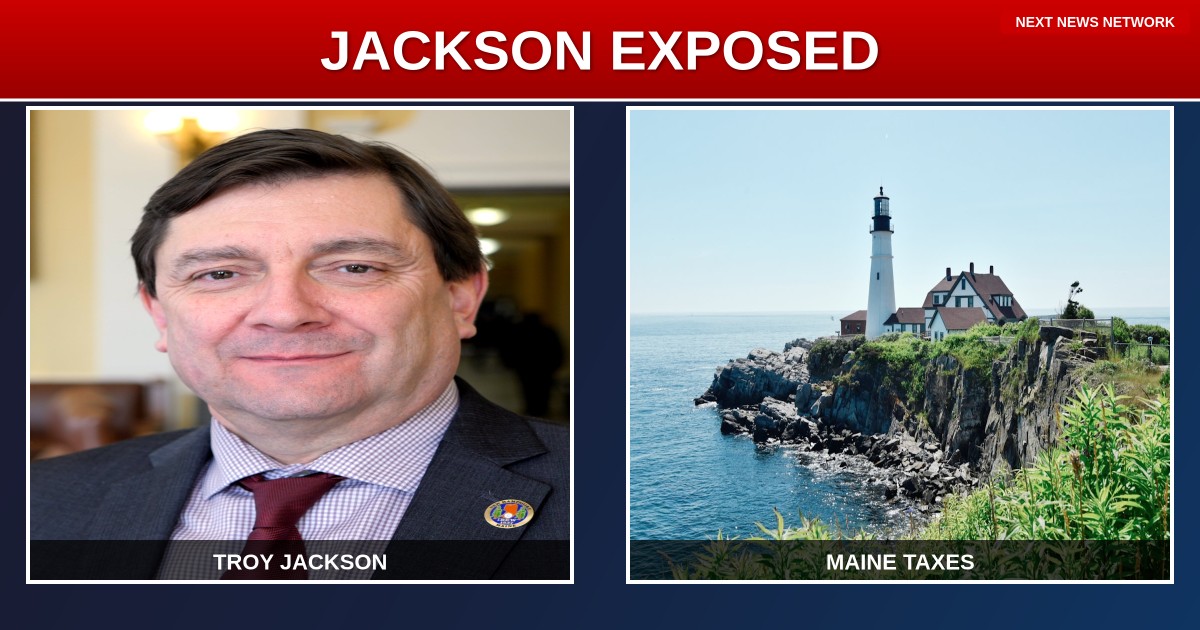
In a shocking revelation, Maine Democratic candidate Troy Jackson, who is fervently campaigning on a platform of affordability, is facing scrutiny for his past actions that contradict his current promises. As Maine’s assistant Senate majority leader, Jackson voted to adopt a state budget that increased the tax burden on everyday residents. This startling revelation casts doubt on Jackson’s commitment to lowering the cost of living for working-class families if elected to the U.S. Senate.
Despite his affordability agenda, Jackson’s past decisions reveal a politician willing to raise taxes on Mainers. This hypocrisy is not lost on those who prioritize fiscal conservatism and economic relief for hardworking families. As @InamdarVikram asserted on Twitter, such candidates use deceptive rhetoric to mislead voters about their actual policy implementations.
"Maine – Troy Jackson. Maine voters: Choose Troy Jackson (D) for Senate! Trump’s failed tariffs hurt working families, gas prices remain painful, and Trump couldn’t end the Iran or Ukraine wars. Jackson will put Mainers first. Vote Democratic on Nov 3."
The narrative pushed by media and Democrats conveniently omits Jackson's record on taxation. However, @Drew_Stroud highlighted the Democrat incumbent’s rise, commending his nomination with: "One of the best headlines I’ve read in a while." Yet, this shines a spotlight on the political spin at play, seeking to overshadow critical past mistakes.
With @CHIGGINBASKET noting Jackson’s lead over incumbent GOP Senator Susan Collins in recent polls, the stakes could not be higher for the Maine Senate seat. Losing this critical seat could further empower Democratic hypocrisy and endanger fiscal responsibility in the Senate.
As discerning voters consider their options, the question remains: will Mainers choose to support a candidate with a proven track record of raising taxes, or will they stand with conservatives committed to genuine affordability and economic growth? It’s time to hold Troy Jackson accountable for his actions and ensure that policies, not just promises, govern their decision at the ballots.