
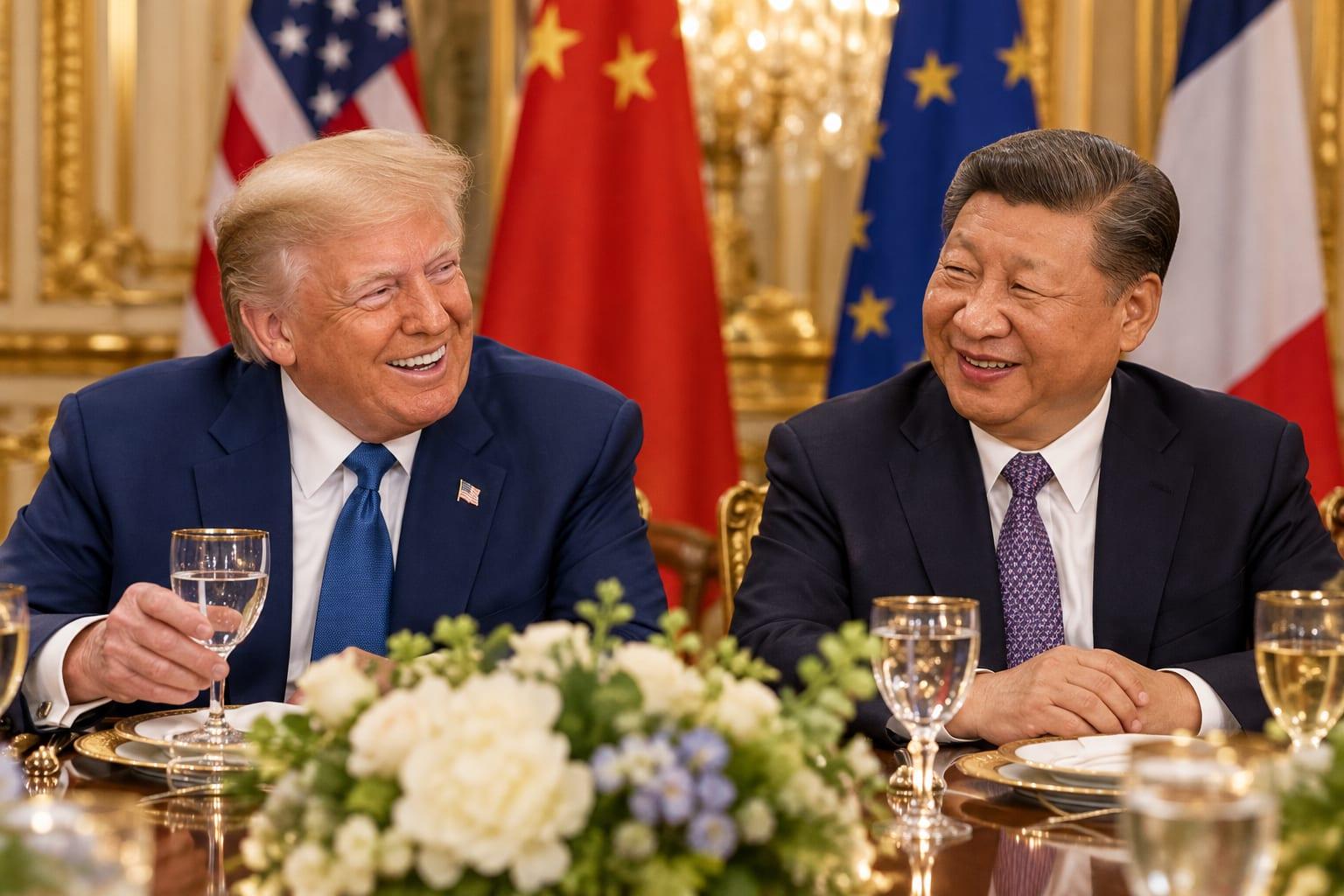
Trump's Masterstroke: A Sharp Jab at Biden During Xi's Visit
In a bold display of command and humor, President Donald Trump invited Chinese President Xi Jinping to tour the brand-new Marine One helipad, culminating with a quip that turned Joe Biden's autopen into a global punchline. Trump's wit left the room in laughter, stark in contrast with the scripted and mechanical approach associated with Biden's tenure.
This isn't just another funny moment in presidential diplomacy. It highlights the strength and authenticity foreign leaders like Xi respect and respond to. Biden's reliance on an autopen has been mocked by critics as a sign of a passive, scripted administration run by handlers rather than genuine leadership.
Real Leadership on Display: Economic and Security Talks
While mockery of Biden captured attention, the visit was also about substance. Trump put key issues on the table, discussing new market access for American farmers, focus on security, technology, and superintelligence. It's a strategy that repositions America at the helm, not drawing laughter but serious respect.
"President Trump and I have respect for each other," President Xi Jinping was quoted saying, acknowledging the rapport built with Trump, a testimony to diplomacy founded on mutual strength rather than hesitancy.
This meeting is a milestone for U.S.-China relations as it underscores a stark difference in leadership style and capability between Trump and Biden.
Signal of Strength: American Leadership Resurgent
As Trump personally showcased the new helipad—a project delayed for years—he demonstrated not only American engineering prowess but also the administration's resolve against bureaucracy and nostalgia for decayed leadership. There's no room for autopen presidency when direct action and personal diplomacy set the stage for geopolitical dialogues.
Trump's approach signifies a return to 'Peace through Strength,' pushing back against narratives that downplay his administration's achievements. This scene unfolds a story of resurgent American prominence on the world stage. It's a classic case of real leadership over shadowy guidance.
As the legacy media tries to dilute this moment, ask yourself: which leader projects genuine power, and which relies on proxies? The answer could reshape perceptions of American leadership moving forward.
