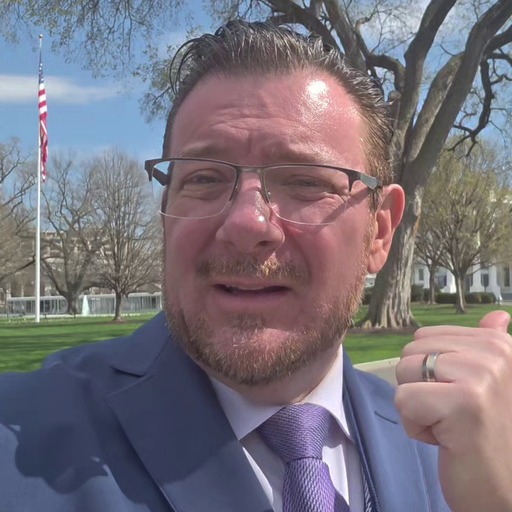
Democrat Sarah Trone Garriott spent part of her campaign for Iowa's 3rd Congressional District hammering incumbent Rep. Zach Nunn over campaign money tied to China. According to The Federalist, her own record makes the attack hard to sustain: she has accepted China-connected cash too.
The story lands in one of the most closely watched House races in the country. Iowa's 3rd District is a swing seat, and both parties are treating it as a must-win in the fight for control of the House. Trone Garriott, a state senator from Windsor Heights, is challenging Nunn, a first-term Republican who flipped the seat in 2022.
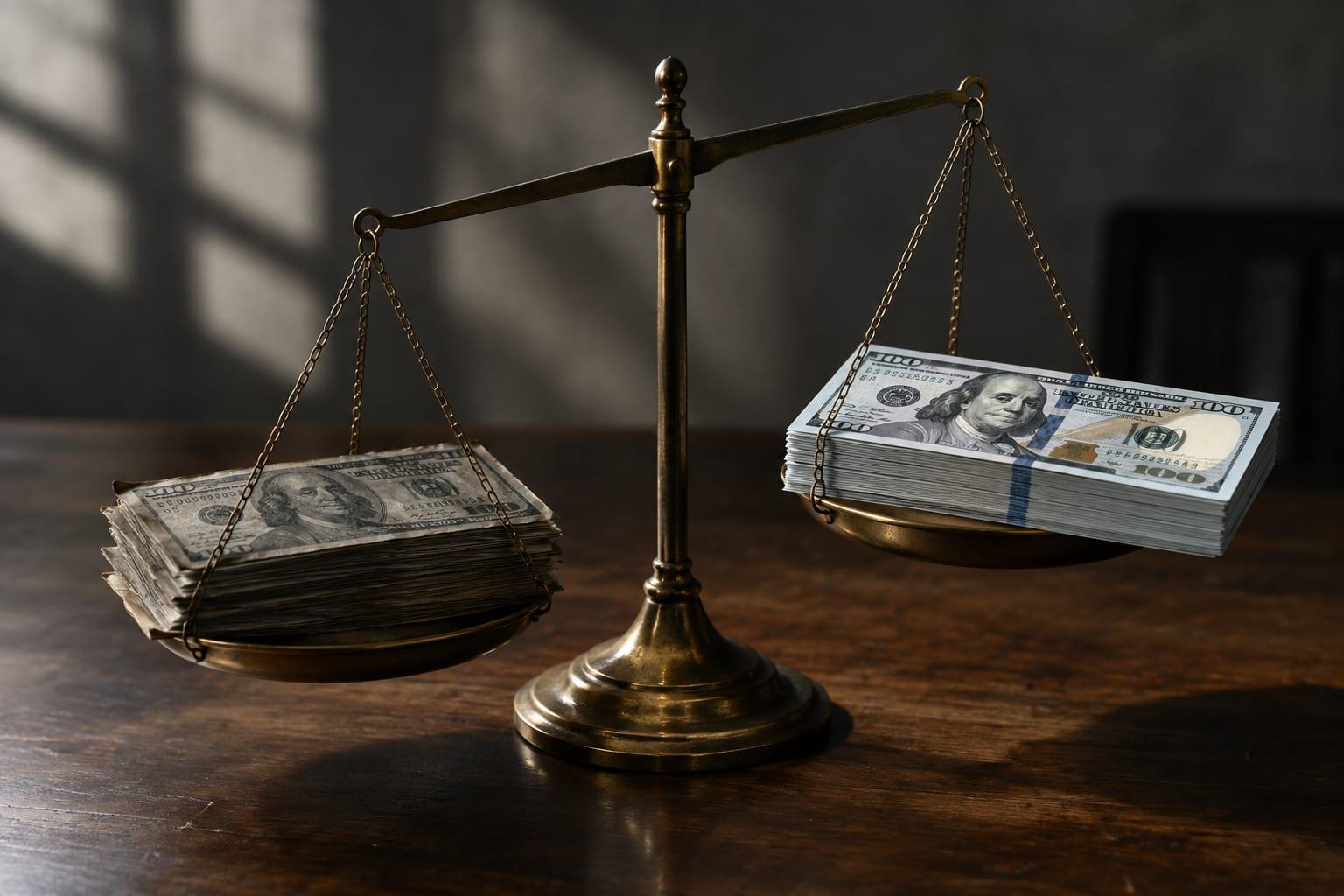
The contradiction at the center of the story is simple. Trone Garriott's campaign has made Nunn's donors a central line of attack, framing China-linked contributions as a disqualifying conflict. The Federalist's reporting indicates her own campaign finances include money from the same category of sources, undercutting the core of that attack.
What Each Campaign Is Saying
Nunn's campaign has not let the accusation pass quietly. In a race this tight, a hypocrisy story is useful ammunition, and Republicans are likely to press it in paid media and mail over the closing weeks.
Trone Garriott's campaign has not offered a substantive answer to the specific charge, and it is not yet known whether it will address the reporting directly or attempt to distinguish her contributions from Nunn's. That silence, if it holds, will be its own story in a district where China policy has become a kitchen-table issue.
The broader context matters here. Both parties have spent the last several cycles promising to get tough on Beijing, and voters have grown skilled at spotting the gap between the rhetoric and the receipts. In Iowa, where agriculture, manufacturing, and supply chains are directly exposed to Chinese trade policy, that gap is not abstract.
Why This Race Matters
Iowa's 3rd is exactly the kind of district that decides majorities. It includes Des Moines's western suburbs and stretches across swing territory where independent voters and soft partisans make the difference. National money is already flowing in, and both parties are treating the seat as a bellwether.
That means the China money charge will not stay confined to a single news cycle. It gives Nunn a clean counterpunch on the one issue his opponent chose to own, and it forces Trone Garriott to either explain her own donor list or drop the line of attack. Neither option is comfortable.
The Federalist's reporting does not allege any crime by either candidate. Accepting campaign contributions from China-connected sources is a matter of judgment and disclosure, not necessarily legality, and it is not yet known whether any of the contributions in question have drawn scrutiny from federal regulators. What is clear is the political problem: a candidate cannot run as the cleaner alternative on China money while taking the same money.
Our Take
This is what happens when a campaign builds its entire message on a single attack and forgets to check the mirror first. Trone Garriott looked at Zach Nunn's donor list, saw an opening, and swung. The Federalist checked her own filings and found the same China-connected money sitting there.
For Iowa voters, the takeaway is not complicated. When a Democrat tells you China money is disqualifying, ask why it was not disqualifying when it came to her campaign. When the answer is silence, that is the answer.
Republicans should hammer this in the closing weeks, and Nunn should put it on the air. Swing districts are decided by voters who hate being played, and this is a textbook case of a candidate telling voters one thing while doing another. Trone Garriott wanted to make China the issue. Thanks to her own filings, it now is.