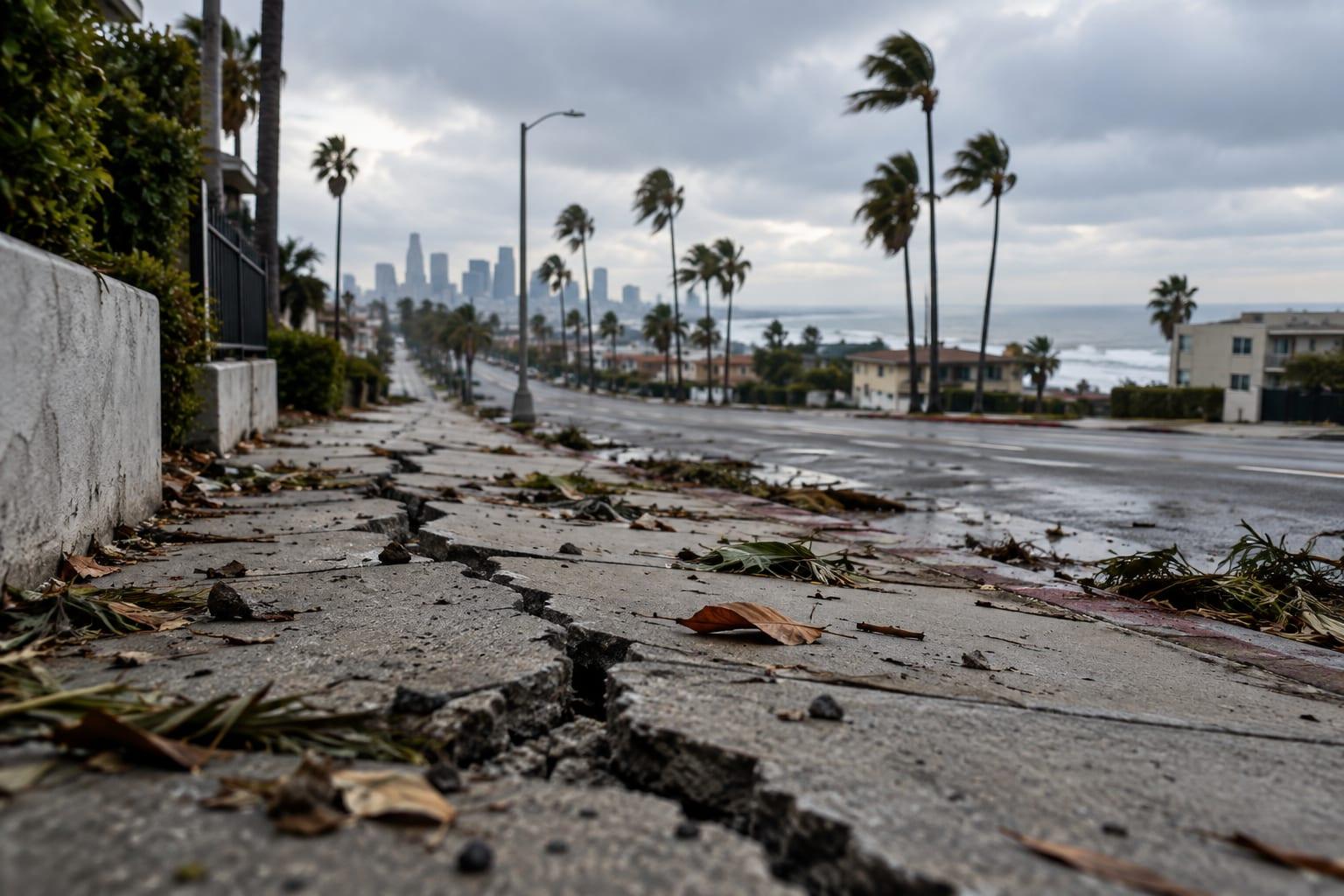
A preliminary 3.5 magnitude earthquake struck near Hermosa Beach in Los Angeles County's South Bay on Sunday morning, according to the U.S. Geological Survey, rattling residents across the region just after seven in the morning local time. The quake was reported by Cedar News as the first of two tremors to strike California on Sunday, with the New York Post reporting that two earthquakes suddenly struck the state during the morning hours.
The Post separately reported that an earthquake struck just off the coast of Los Angeles as floors shook Sunday morning, describing the event as aseries of tremors that prompted Angelenos to take to social media to compare notes. The reports came as parts of Southern California were still under watch for dangerous rip currents, flooding and erosion threats from Hurricane Polo, according to ABC7 Los Angeles, which had warned fifteen hours earlier that the storm was churning offshore.
While the full extent of Sunday's seismic activity was not immediately clear, the U.S. Geological Survey's preliminary reading placed the first quake at 3.5 magnitude, a level typically felt as a light shake but rarely causing damage. Cedar News reported that the epicenter was located near Hermosa Beach, a coastal community in the South Bay region of Los Angeles County.
The second quake was reported by the New York Post but not independently confirmed by the USGS in the immediate aftermath. The Post's report characterized the events as "two earthquakes" striking California Sunday morning, prompting a wave of social media reactions from residents across the region.
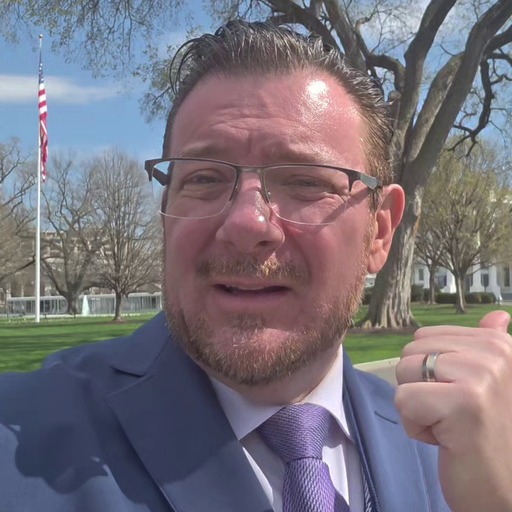
Across social media, the reaction was swift. Gunther Eagleman, a prominent conservative account, posted a message of gratitude and reflection shortly before the quakes were reported, writing, "GOD IS GOOD! Every morning you open your eyes is another gift. Thank Him, get up, and make it a great day! Happy Sunday!" The post, shared at 11:44 UTC, or just before seven in the morning Pacific Time, was followed by a separate message fifteen minutes earlier that read, "Good morning and happy Sunday! ☕️ cheers!"
The juxtaposition of the morning devotional posts and the sudden jolt of the earthquakes did not go unnoticed by those following the accounts. The region's residents, already on edge from the looming Hurricane Polo, which had been forecast to bring dangerous surf and coastal flooding, found themselves dealing with a different kind of natural event altogether.
ABC also reported on Sunday that Russian strikes on Ukraine killed at least two people overnight into Sunday, hours after Moscow rejected German calls to ease off its escalation toward NATO. The network further reported that bands of heavy rain had been moving onshore from Delaware up to Massachusetts on Sunday morning amid a nor'easter. Those events, while unrelated to the California shaking, formed part of a broader weekend of extreme weather and international tension.
For California, the seismic activity added to a year of heightened awareness about the state's vulnerability to earthquakes. Sunday's tremors were felt across the South Bay and parts of the Los Angeles basin, with some residents on social media describing a rolling sensation and others reporting a sharp jolt. The USGS had not, as of midday Sunday, issued any additional advisories regarding the second quake.
The New York Post's report of two earthquakes came at 15:26 UTC, approximately eight hours after the first reports of shaking began to circulate. That account, along with the ABC reports and the Gunther Eagleman posts, formed the basis of much of the online conversation about the morning's events, with users across platforms sharing their own experiences and checking on friends and family.
Next News Network could not independently verify the full sequence or magnitude of the seismic events described in the social media posts and reports cited above. The preliminary magnitude of 3.5, as reported by Cedar News, remains subject to revision by the U.S. Geological Survey as additional data is analyzed.
California's Proposition 39, a voter ID measure appearing on the November ballot, also remains a topic of discussion across the state, according to ABC7 Los Angeles, which noted two days earlier that voters would decide on the measure. That issue, while unrelated to Sunday's quakes, underscores the broader political context in which Californians are navigating the fall season.
The combination of seismic activity, storm threats and international developments made for a Sunday morning that few in Los Angeles would soon forget. As residents surveyed their homes and businesses for any signs of damage, the conversation online continued to blend gratitude, anxiety and the kind of community solidarity that often follows a shared scare.
Whether the second quake reported by the New York Post will be confirmed by official sources remains an open question. For now, the preliminary 3.5 magnitude event near Hermosa Beach stands as the most concrete data point in a morning of shaking.
Our Take
The establishment media likes to treat every natural event as a standalone crisis, but Sunday's quakes in California are a reminder that the Golden State sits on borrowed time. While the left obsesses over ballot measures and climate alarmism, the real threat is the one beneath our feet. Californians deserve better than a government that spends billions on everything but the basics. The reaction from accounts like Gunther Eagleman shows that ordinary Americans still have their priorities straight: faith, family and facing the day with resolve. That's the spirit that built this country, and it's the spirit that will see us through whatever comes next.